As an Amazon Associate, we earn from qualifying purchases. Some links on this site are affiliate links at no extra cost to you. Our recommendations are based on thorough research and editorial judgment.


How Do Low-Top Vs High-Top Basketball Shoes Affect Performance?

Low-top and high-top basketball shoes distinctly influence player performance through factors like ankle mobility, stability, and jump dynamics. Low-tops increase flexibility, facilitating rapid movements and fluid footwork, while high-tops enhance ankle support, which may help reduce injury risk. Jump performance can be affected as low-tops allow greater ground reaction forces, yet high-tops provide essential cushioning and structural integrity. Ultimately, individualized shoe choice based on position and play style can further optimize performance outcomes in gameplay situations. Further insights can enhance understanding of these aspects.
Key Takeaways
- Low-top shoes enhance ankle mobility, allowing for quicker direction changes and improved agility on the court.
- High-top shoes offer better ankle stability and support, reducing the risk of injuries during gameplay.
- Jump performance is minimally affected by shoe height, with low-tops facilitating better impulse generation due to greater flexibility.
- Player positions influence shoe preference, with guards favoring low-tops for speed and forwards opting for high-tops for added support.
- Proper shoe fit and lacing techniques are crucial for maximizing performance and ensuring stability during rapid movements.
Ankle Mobility: The Difference Between Low-Tops and High-Tops
You may be interested


In the domain of basketball footwear, enthusiasts and professionals alike often debate the comparative benefits of low-top and high-top shoes, particularly regarding ankle mobility, which is crucial for ideal athletic performance.
Low-top basketball shoes typically promote enhanced ankle mobility across multiple planes, facilitating rapid direction changes essential for agility. Conversely, high-top shoes, while slightly limiting dorsiflexion, do not considerably impede overall jump height or explosive push-off capabilities.
These performance trade-offs suggest that players with flexible ankles favor low-tops for maneuverability, while others may opt for high-tops to benefit from a perceived protective advantage and reduced muscular strain during gameplay. Additionally, the choice of footwear reveals an intricate balance between individual player biomechanics and playing style preferences, ultimately impacting on-court performance. Moreover, the breathable fabric utilized in basketball shorts can also influence overall comfort and agility during play, complementing the decision on footwear.
How Ankle Stability Influences Injury Prevention

Ankle stability plays a significant role in the prevention of injuries among basketball players, as the dynamic nature of the sport demands quick movements and rapid changes in direction. High-top basketball shoes are designed to enhance ankle stability by providing better support and reducing excessive inversion, which are critical in preventing injuries. Research indicates that these shoes can effectively decrease the risk of ankle injuries through their tall collar structure, which restricts harmful foot movements. However, it is essential to note that while high-tops offer some protection, overall shoe design factors, such as heel counters and cushioning, are crucial for thorough injury prevention. Additionally, consistent shoe maintenance and fit are important for maintaining ankle stability during vigorous gameplay. Choosing basketball shoes with effective arch support can further enhance comfort and injury prevention.
The Role of Shoe Height in Jump Performance

How does the height of a basketball shoe influence jump performance? The shoe collar height greatly impacts jump technique and muscle activation during takeoff. Low-top shoes enhance ankle flexibility, facilitating greater impulse generation and allowing athletes to achieve higher jump heights due to ideal foot positioning. Conversely, high-top shoes restrict dorsal and plantar flexion, which can limit ground reaction forces essential for vertical jumps, although studies show minimal difference in jump height when comparing shoe types. Additionally, low-top designs promote enhanced activation of the ankle plantarflexors, which are vital for effective jumping mechanics. While perceptual factors may influence athletes’ confidence levels when jumping, biomechanical evidence primarily underscores the importance of shoe height in muscle activation rather than jump height outcomes. Regular application of basketball shoe deodorizers can also contribute to overall foot health, further supporting optimal performance.
Agility and Speed: Impacts of Low-Top Shoes

The performance dynamics of basketball footwear reveal significant implications for an athlete’s agility and speed, particularly through the adoption of low-top shoe designs.
- Enhanced ankle mobility afforded by low-tops allows for natural and fluid foot movements, facilitating rapid changes in direction essential for agility drills.
- A lighter shoe promotes quicker reaction times and efficiency in speed training, with measurable speed improvements of approximately 1.6%.
- Greater ground contact leads to improved balance, allowing for precise execution of lateral movements required in basketball play.
- The breathable design not only improves comfort but also maintains ideal conditions for prolonged focus.
- The combination of these factors guarantees that low-top shoes contribute positively to an athlete’s overall performance, emphasizing agility and speed during competitive play. Additionally, the multidirectional tread patterns used in low-top shoes enhance grip, further supporting quick lateral movements on the court.
The Effect of High-Tops During Rebounding

When evaluating the impact of high-top basketball shoes during rebounding, it becomes essential to recognize their superior stability and support characteristics that are necessary in high-intensity gameplay. High-tops provide enhanced ankle support, reducing the risk of rolling or twisting, especially during aggressive rebound techniques. The added collar height stabilizes lateral movement, which is vital when landing amid traffic or on uneven surfaces. Furthermore, high-tops often feature effective shock absorption systems, such as Zoom Air units, that mitigate joint stress upon landing, contributing to better impact mechanics. Although high-tops may slightly restrict ankle mobility, their durability and traction features guarantee more controlled landings, allowing players to maintain balance and efficiency during contested rebounds, ultimately enhancing overall performance on the court. Additionally, the incorporation of anti-slip soles in high-top designs further ensures that players can confidently plant their feet during rebounding actions without the fear of slipping.
Comfort and Weight Considerations in Shoe Selection
Selecting the appropriate basketball shoe extends beyond considerations of support and stability; it also encompasses various comfort and weight factors that profoundly influence player performance and overall enjoyment during gameplay.
- Comfort Factors: Low-tops typically offer greater freedom of ankle movement, enhancing agility. Conversely, high-tops provide increased ankle support, which may feel restrictive yet comforting during lateral movements. Internal structure and cushioning impact comfort more markedly than collar height.
- Weight Considerations: High-tops usually weigh more due to additional materials, potentially reducing speed for quick players. Low-tops offer a lighter alternative conducive to rapid directional changes. Material technology advancements have yielded lighter shoes without compromising strength, contributing to greater shoe longevity. Individual preferences based on player position further guide comfort choices. Additionally, traction and grip are critical for performance, ensuring that shoes provide the necessary stability during quick movements on the court.
Recommended Products

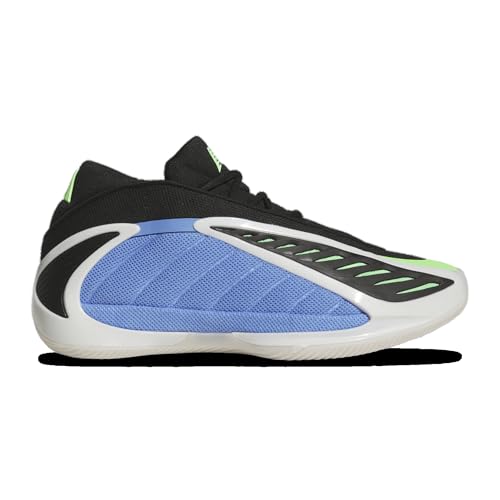
adidas Mens Anthony Edwards 1 Low Top Basketball Shoes
Shoe Fit: How Lacing Affects Performance
Inadequate attention to lacing techniques can greatly undermine the performance characteristics of basketball shoes, particularly concerning fit and stability during play. Proper lacing tension is essential for fit customization, enhancing both comfort distribution and lockdown effectiveness.
- Ideal adjustment balances support and comfort, ensuring stability performance during rapid movements.
- Various lace types allow for dynamic adjustment across forefoot, midfoot, and heel areas, accommodating different foot shapes.
- Tight lacing increases ankle joint control, reducing the risk of sprains; however, overly tight lacing can lead to discomfort and elevated pressure in sensitive zones.
- Conversely, loose lacing decreases shoe tension, potentially destabilizing the foot during quick cuts.
These factors underscore the critical role lacing plays in athletic performance and injury prevention.
Recommended Products

Important: Actual colors may vary from the color on your screen due to monitor color restrictions.

Package Include:2 pairs of 1/4" (6 MM) width Puzeam oval athletic shoe Strings (4 laces)! welcome to visit our shop

Material - Shoelaces Width is 0.6 CM. These laces are made from Polyester, the texture of these are soft and delicate
The Influence of Player Position on Shoe Preference
The choice of basketball footwear is greatly influenced by the specific demands associated with player positions on the court, as each role—guard, forward, or center—exhibits distinct performance characteristics and physical expectations. Guards prioritize agility and quick direction changes, favoring lightweight, low-top shoes for enhanced speed, while forwards often select mid- to high-top shoes for an ideal balance of stability and cushioning. Centers, requiring maximum support due to frequent physical contact, typically prefer high-tops with reinforced protection. Player feedback often guides these preferences, particularly in relation to shoe technology designed for cushioning and ankle support. Research indicates that a significant percentage of centers gravitate towards brands like Nike, reflecting their specific needs for stability and impact protection amid intense gameplay.
Exploring Proprioception and Awareness on the Court
How does proprioception influence a player’s performance on the basketball court? Proprioception, the body’s ability to sense its position in space, is essential for effective movement and stability during gameplay.
- High-top shoes delay muscle activation, reducing proprioceptive feedback, which may hinder rapid ankle adjustments essential for quick maneuvering.
- Conversely, low-top shoes enhance ankle mobility and promote faster neuromuscular responses, allowing players to respond swiftly to dynamic challenges.
- This increased freedom of movement also facilitates proprioceptive training, improving players’ sensory awareness of foot placement.
- Ultimately, the choice between high-top or low-top shoes impacts players’ sensory feedback and neuromuscular control, highlighting the significance of understanding how footwear affects performance on the court.
The Importance of Structural Support Beyond Collar Height
Prioritizing structural support in basketball shoes extends beyond the sole consideration of collar height, as numerous factors contribute to a player’s performance and injury prevention on the court. The midsole stiffness greatly affects shock absorption and impacts ground reaction forces, minimizing strain on lower extremity joints during play. Additionally, the design of outsole patterns plays a critical role in ensuring adequate traction and stability, which enhances a player’s capacity for rapid shifts, reducing the risk of slips and falls. While high-tops are often credited with ankle support, true stability derives from a combination of midsole cushioning and effective outsole designs, illustrating the necessity for an all-encompassing approach to shoe structure that transcends the simplistic view of collar height alone.
Player Preferences: Style vs. Performance
In choosing basketball shoes, players often find themselves maneuvering the complex interplay between style and performance, as personal preferences can greatly influence their choices on the court. Player position frequently dictates these preferences; for instance, guards generally lean towards low-tops for speed and agility, while forwards and centers gravitate towards high-tops for perceived stability and ankle protection. Additionally, the aesthetic appeal of footwear plays a substantial role; signature shoes often attract players due to their visual style rather than tangible performance benefits. Brand loyalty amplifies this relationship, as players tend to favor familiar manufacturers, thereby intertwining shoe aesthetics with their overall experience. Ultimately, individual comfort and perceived performance remain central to decisions, reflecting a broader culture of belonging within the basketball community.
Midsole Design: A Key Factor in Shoe Performance
Midsole design emerges as a fundamental aspect influencing the performance of basketball shoes, encapsulating various elements such as material composition, cushioning characteristics, and mechanical properties.
- Cushioning Effectiveness: Softer midsoles enhance shock absorption, effectively reducing injury risks during high-impact movements like jumps and cuts. Medium cushioning balances support and comfort, improving overall performance.
- Energy Transfer: Stiffer midsoles facilitate better force production, essential for rapid movements, while flexibly designed midsoles promote natural foot motion, optimizing responsiveness.
- Injury Prevention: Adequate cushioning in the midsole mitigates impact forces on joints, particularly the knees and ankles, contributing to a safer playing experience. The interplay of midsole technology assures players can perform at their best while minimizing injury risks.
Recommended Products
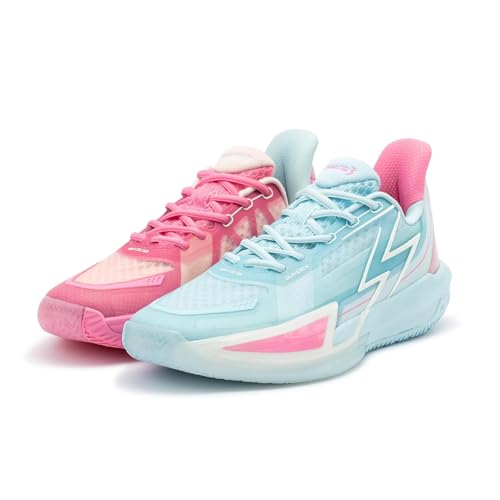
Cushioned Landing, Energized Push-Off:The ENRG-X+ midsole delivers over 68% improved rebound, absorbing impact on landing and returning energy instantly at takeoff. Enhanced lateral rigidity ensures stable directional changes. Every step feels sharp and effortless, keeping your pace consistent over long distances.

The basketball shoes for boys have the fashion designed synthetic upper and skin-friendly lining, they can make kids feet more comfortable and keep their feet dry all day.

Athletic mesh upper with durable leather overlays for added dimension & midfoot support
Custom Orthotics: Finding the Right Fit in High-Tops
Custom orthotics play a crucial role in enhancing the performance and comfort of athletes wearing high-top basketball shoes, where the challenges of fit and support are magnified by the shoe design. Utilizing advanced orthotic materials such as copolymer EVAs and polypropylene, these devices provide balanced comfort, support, and protection. The importance of custom fitting cannot be overstated; accurate foot scanning captures the precise contours necessary for effective support, ensuring a snug fit within high-tops. Ill-fitting orthotics can hinder performance by failing to accommodate the shoe’s structure. Custom orthotics also enhance shock absorption during high-impact activities, maintain foot alignment, and prevent injuries by better distributing stress, ultimately contributing to a safer and more enjoyable playing experience for athletes committed to their sport.
Recommended Products
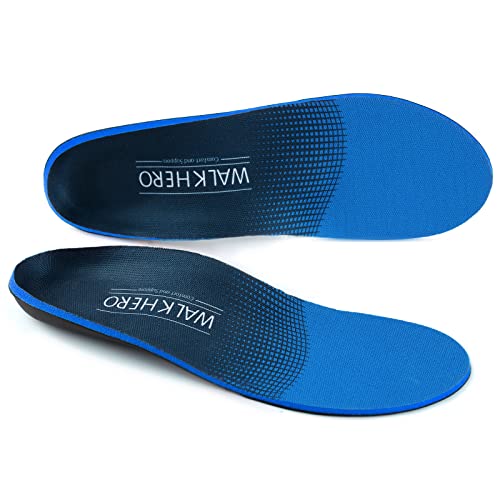
LASTING COMFORT: Arch support improves foot and leg alignment, enhances comfort, and helps ease stress and discomfort caused by flat feet (Pronation), bunions, arthritis, good for Plantar Fasciitis (heel pain and heel spurs), Achilles Tendonitis.
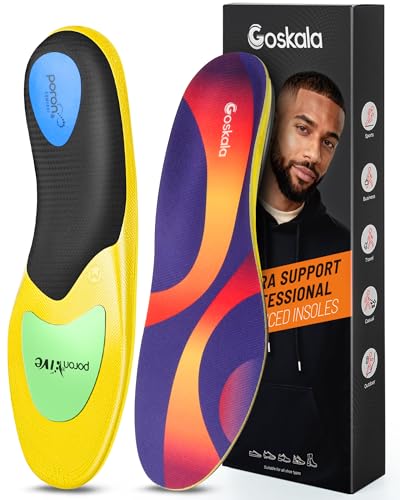
USA PORON High-Performance Cushioning Technology: Utilizing a composite of American PORON and EVA materials, these shoe inserts deliver dual cushioning and energy rebound, enhancing athletic agility while meeting the shock-absorption needs of diverse activities like running, basketball, and casual hiking.

Size check: Ensure you've selected the correct size for your shoe inserts men before checkout
The Significance of Outsole Traction in Game Play
Outsole traction serves as a crucial component in enhancing basketball performance, directly influencing an athlete’s ability to execute rapid sprints, dynamic jumps, and sharp cuts, all essential for successful gameplay.
The evolution of traction technology highlights the importance of specific outsole tread patterns, which contribute greatly to slip resistance. Multidirectional grip is critical, particularly on regulated hardwood courts where peak outsole performance can prevent slips during explosive movements.
Studies indicate that reduced traction can detrimentally impact player efficiency, while effective tread designs, such as herringbone, enable better lateral support. The precise composition and temperature treatment of rubber materials further enhance grip characteristics, ensuring that players maintain stability and safety throughout fast-paced interactions on the court.
Recommended Products

All-Game Comfort: Plush foam on the collar and tongue enhances the feeling of comfort around the ankle and over the top of the foot—areas where you want no distractions. It helps strike a sound balance between ground control when changing sudden direction and comfort when racing from one end of the floor to the other. The breathable mesh upper helps keep you contained.
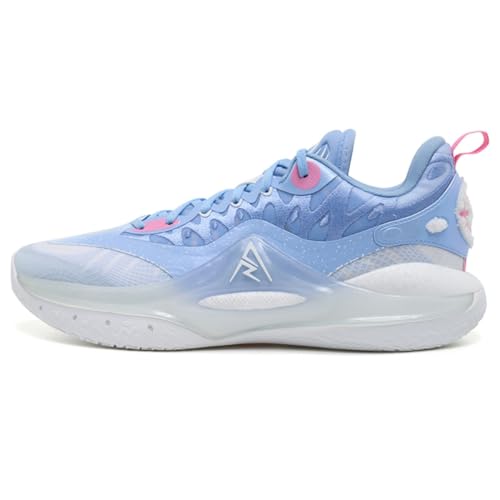
【Official Licensed Austin Reaves Signature Design】Feature the exclusive signature logo and design elements inspired by basketball player Austin Reaves. Stand out on and off the court with a style that screams dedication and skill, just like your favorite player.

Style: CK6636-006
Creating Balance: Personalizing Shoe Choices for Performance
When examining the intricate relationship between basketball shoe selection and athletic performance, it becomes evident that players benefit from personalizing their footwear choices to achieve an ideal balance of support, mobility, and comfort. This personalization is essential, as individual preferences regarding fit arise from diverse playing styles and physical conditions.
Key considerations include:
- Ankle Support: Athletes with prior injuries may favor high-tops for additional stability, despite no noted performance advantages.
- Mobility: Low-tops, valued for their lightweight design, may suit players prioritizing speed and agility.
- Cushioning: Shoe technology advancements and material innovation enhance shock absorption, promoting effective biomechanics.
Frequently Asked Questions
Do Professional Players Prefer Low-Tops or High-Tops for Specific Games?
Professional players may prefer low-tops for their flexibility in fast-paced games, while high-tops provide enhanced ankle support in physical matchups. Choices often reflect personal comfort and confidence, aligning with individual playing styles and injury histories.
Can Shoe Color Affect Player Performance or Perception?
A player donned bright red shoes, feeling energized and confident, illustrating how shoe aesthetics influence performance. The psychological impact of color can enhance motivation, focusing players and potentially elevating their game during tense moments.
Are There Specific Injuries Associated With Low-Tops Vs High-Tops?
Research indicates that low-tops may increase risks of ankle sprains due to less support, while high-tops can lead to foot fatigue from restricted movement. Players should carefully consider their style of play when selecting shoe type.
How Often Should Basketball Shoes Be Replaced for Optimal Performance?
Basketball shoes should be replaced every 3 to 6 months for frequent players, ensuring ideal performance. Replacement frequency varies based on intensity and use, emphasizing the importance of monitoring shoe lifespan for injury prevention and support.
What Impact Does Weather Have on Shoe Choice and Performance?
Weather acts like a sculptor, shaping the choice of basketball shoes. Rainy conditions and temperature effects can impede performance, making materials essential; appropriate footwear offers stability, traction, and comfort, fostering confidence and connection within the game.


