As an Amazon Associate, we earn from qualifying purchases. Some links on this site are affiliate links at no extra cost to you. Our recommendations are based on thorough research and editorial judgment.


How Often Should Basketball Players Replace Their Court Shoes?

Basketball players should replace their court shoes every 3 to 12 months, a timeline dictated by factors such as usage intensity, playing surface, player weight, and style. High-level players, due to increased frequency of use, typically require replacements every 3 to 6 months, while casual players may extend this to 6 to 12 months. Signs of wear include creasing midsoles, worn outsoles, and compromised structural integrity, which, when neglected, can lead to performance decline and injury risks. Further exploration of shoe maintenance and replacement best practices reveals essential insights.
Key Takeaways
- High-level players should replace shoes every 3-6 months due to frequent use, while casual players can wait 6-12 months.
- Regularly assess shoes for visible wear, especially on outsoles, midsoles, and overall structure.
- Factors like playing surface, materials, and individual player attributes influence shoe lifespan significantly.
- Rotate multiple pairs to extend shoe durability and allow cushioning to recover between uses.
- Delaying replacement can increase injury risk due to reduced support and cushioning effectiveness.
Understanding Replacement Frequency Guidelines
You may be interested


Understanding the frequency with which basketball shoes should be replaced is essential for players at all levels, as it directly influences both performance capabilities and injury prevention. Replacement intervals typically vary based on usage; frequent, high-level players may find themselves replacing shoes every 3 to 6 months, while casual players might extend this to 6 to 12 months. The shoe materials used also play a critical role, as midsole foams such as EVA or polyurethane compress over time, diminishing support and impact absorption. Additionally, on outdoor courts, shoes experience faster deterioration, necessitating dedicated footwear. To optimize durability, players are encouraged to rotate multiple pairs, as this allows for recovery of cushioning materials and extends overall shoe longevity. Shoes designed for outdoor play often feature enhanced durability, making them suitable for varied conditions.
Signs It’s Time to Replace Your Basketball Shoes

Recognizing the signs indicating it is time to replace basketball shoes is essential for maintaining both performance and safety on the court. Players should be vigilant for the following indicators:
- Visible wear on the rubber outsole, particularly if the midsole is exposed, signals serious deterioration.
- Obvious midsole creasing reflects reduced shock absorption, impacting shoe fit.
- Loss of cushioning technology manifests as discomfort or fatigue, particularly during intense activity.
- Structural integrity issues, such as torn uppers or a compromised heel counter, can jeopardize ankle stability.
- Persistent pain in the feet, ankles, or knees suggests inadequate support due to worn footwear. Additionally, regular assessments of shoe fit and comfort can help prevent injuries and enhance performance on the court.
Recommended Products
SAFETY IS OUR NUMBER 1 PRIORITY: All our products are tested for safety and durability to meet or exceed all ASTM standards

3M AUTHORIZED. Official 3M reflective films and inks on durable, rustproof aluminum ensure that our signs meet all DOT requirements for outdoor parking and traffic signs.

A GRAND WAY TO UPGRADE YOUR YARD’S LOOK: Jazz up your lawn with our vibrant yard signs. They’re great for directing party guests, congratulating a group or guest of honor, and celebrating any event in style!
Factors That Influence Shoe Longevity

The longevity of basketball shoes is influenced by various critical factors that contribute to their wear and overall performance on the court.
- Frequency of Use: Regular, high-intensity play accelerates deterioration due to repetitive stress on key components, while occasional use can greatly extend shoe lifespan.
- Playing Surface: Outdoor courts exert more wear on shoe materials than indoor hardwood, necessitating specialized footwear for durability.
- Material Quality: Shoes incorporating premium materials and innovative shoe technology demonstrate enhanced durability, particularly when utilizing advancements in cushioning systems that mitigate impact and preserve structural integrity.
- Player Attributes: Heavier players and those employing explosive playing styles place additional strain on shoes, inversely affecting their lifespan.
- Maintenance: Proper care, including rotation and climate-aware storage, effectively prolongs shoe usability and performance. Additionally, regular cleaning techniques such as using a soft brush or mild detergent can help maintain shoe condition and prevent material damage.
Recommended Products

OPENLUX Quality Service: The safety and quality of our LED parking lot lights are proudly UL & ETL certified and come with a 5-year service. Professional technical support is always available for you

SUPER BRIGHT & TYPE III: The 320 watt LED Parking Lot Light has high efficacy of 150LM/W, provides 48,000 LM at 5000K daylight, which can replace 1000~1500W MH/HPS/HID. Type III distribution provides wider illumination coverage

OPENLUX Quality Service: The safety and quality of our LED parking lot lights are proudly UL certified and come with a 5-year service. Professional technical support is always available for you
Common Physical Components Subject to Wear

As basketball shoes endure rigorous demands on the court, specific physical components consistently experience wear that can undermine their functionality and safety.
- Outsole Wear: The outsole is the first area to deteriorate, as it directly contacts the playing surface; excessive abrasion leads to decreased traction.
- Midsole Compression: Over time, the midsole loses its cushioning ability, increasing fatigue and injury risk, particularly for players with high-impact needs.
- Upper Integrity: Damage to the upper, such as tears or fraying, compromises support and stability during lateral movements.
- Collar Degradation: Collar wear can reduce ankle support, raising the risk of sprains due to inadequate stabilization.
- Lacing System: A worn lacing system impairs fit, increasing foot slippage and potential discomfort, ultimately hampering performance. Additionally, supportive basketball shoes often feature advanced materials that can help extend the lifespan of these crucial components.
Recommended Products

Nike Visible Max Air Cushion


WINNING COMFORT FROM WAY BACK: Reaching way back into the archives for inspiration, these Nike women's sneakers set you up with a retro tennis style from back in the day when the shorts were tiny, the hair was big and the socks were worn high
Maintenance Practices to Extend Shoe Life

Extending the lifespan of basketball shoes necessitates a thorough approach to maintenance that encompasses various practices aimed at enhancing durability and performance.
Cleaning Techniques
- Remove laces and insoles prior to cleaning for thorough access; use a dry brush to eliminate dirt.
- Clean uppers with a mild detergent while using soft brushes to avoid oversaturation, and scrub soles with firmer brushes for tough stains.
Storage Practices
- Store shoes in a cool, dry environment to prevent moisture buildup and material degradation.
- Utilize shoe bags or boxes for dust protection and UV light shielding; air out shoes post-use. Regular checks on inflation valves can help ensure shoes maintain their structural integrity during play.
The Impact of Playing Style on Shoe Durability
How does the nature of playing style influence the durability of basketball shoes? Playing styles greatly impact shoe performance and durability due to varying movement patterns and stress distributions.
- Drive and penetrate players exert high lateral and torsional stresses, which can accelerate outsole abrasion.
- Playmakers focusing on agility will wear down shoe flexibility zones through frequent cuts.
- Shooters, emphasizing vertical play, create increased vertical impact forces that degrade cushioning more rapidly.
- Defensive players’ demand for quick directional changes leads to greater wear on lateral components and traction.
Consequently, players must select shoes according to their intended style, ensuring appropriate support and durability to counteract rapid wear. This tailored shoe selection can greatly extend the lifespan and effectiveness of basketball footwear, promoting ideal performance on the court. Additionally, selecting shoes made from high-quality composite covers can enhance grip and durability, further aiding in performance and longevity.
Recommended Products

Like the “Citrus,” the “University Gold” makes use of a predominantly neutral design with subtle pops of orange, or in this case, yellow; That’s where the similarities between the two coveted sneakers comes to an end; The rest of the “University Gold” displays a black synthetic nubuck construction with a “diamond” motif appearing along the medial and lateral sides of the shoe; A grey synthetic nubuck mudguard above the black midsole breaks up the look
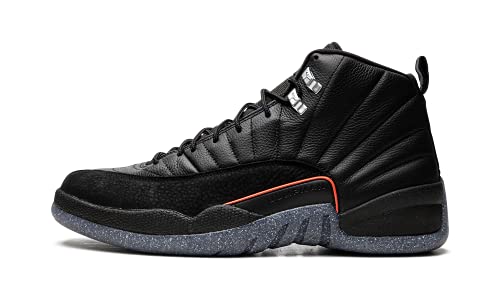
Air Jordan 12 “Utility” is an updated version of Michael Jordan’s twelfth signature shoe that incorporates Nike’s environmentally friendly “Grind” material into the sole

Made with resilient Lunarlon and a full-length Airsole unit, the Nike Lunar MVP Pregame Men's Baseball Training Cleats are cushioned and comfortable even before the competition. Durable rubber outsole with hybrid traction pattern provides incredible grip and stability on multiple surfaces. ^Lightweight synthetic leather and mesh upper for superior performance fit and superior breathability The Lunarlon midsole is lightweight with a full-length encapsulated Air-Sole unit and heel crash pad. Responsive ride^Injected shank for midfoot strength and arch support^Solid rubber outsole with hybrid traction pattern and lateral outrigger for traction and stability^Toe bumper for durability in high-wear areas
How Playing Surface Affects Shoe Wear
The influence of playing surface on the durability of basketball shoes is a significant consideration for players seeking to optimize their performance and footwear longevity. Different court surfaces present varying levels of abrasiveness and impact, directly impacting shoe wear.
- Wooden courts yield higher peak forces that accelerate wear in specific areas, particularly the forefoot.
- Asphalt surfaces, by contrast, induce more abrasive wear due to their rough texture, compromising the outsole faster.
- Rubber or synthetic courts generally allow for smoother interactions, but variations in material softness can create unusual wear patterns.
Considering these factors holistically influences not only the shoe’s lifespan but also plays a significant role in injury prevention, as worn shoes increase both impact stress and risk of traction loss during play.
Recommended Products

Premium Leather Craftsmanship: Experience the luxury of crushed grey leather upper with solid white lizard-textured overlay, showcasing the iconic stitching lines of the Air Jordan 12

Style#: FV5104-104

Encapsulated Air-Sole unit provides lightweight cushioning.
Monitoring Shoe Condition Regularly
Ensuring ideal performance and safety in basketball requires a disciplined approach to monitoring the condition of footwear, as regular evaluations can prevent injuries and maintain athletic performance.
Visual Inspection for Damage Indicators
Frequent shoe appraisal should include examining outsoles for smooth spots and evaluating midsoles for cracks that diminish cushioning.
Evaluating Grip and Cushioning
Conduct wear evaluations to monitor grip during gameplay and be attentive to any signs of foot discomfort, which can indicate a breakdown in cushioning.
Monitoring Fit and Support
It is essential to check for proper fit and support, as improperly fitted shoes can lead to increased injury risk.
Utilizing Tracking Methods
Documenting hours played and employing sensors can enhance the precision of evaluations related to shoe wear and performance over time.
The Importance of Shoe Rotation
Why is shoe rotation essential for basketball athletes? Implementing effective rotation strategies greatly augments performance and injury prevention. By alternating between multiple pairs of shoes, athletes can enjoy shoe benefits such as prolonged lifespan and enhanced cushioning recovery. This approach minimizes stress on a single pair, reducing the risk of injury associated with excessively worn-out footwear.
Different shoe designs cater to specific conditions, enabling athletes to tailor their choices for practice versus games. Maintaining a rotation of shoes also supports biomechanical integrity, ensuring maximum energy return and comfort during dynamic movements. Regularly monitoring shoe condition and usage allows athletes to introduce fresh shoes when necessary, ensuring that their footwear remains a reliable extension of their skill set throughout rigorous play.
Effects of Wearing Shoes for Non-Sport Activities
Basketball shoes, when utilized for non-sport activities, experience significant alterations in performance and durability because these shoes are specifically designed to meet the unique demands of athletic play.
- Shoe usage beyond competitive environments subjects them to wear patterns unsuitable for their intended function, leading to accelerated degradation.
- Non-sport surfaces, such as asphalt, compromise outsole grip and cushion integrity, heightening the risk of injuries during athletic endeavors.
- Casual use can distort the structure of the shoe, reducing its effectiveness for injury prevention, by degrading midsole materials and altering traction.
- Additionally, accumulated dirt and debris contribute to performance decline, potentially impacting foot mechanics essential for basketball agility and stability, thereby amplifying the risk of sprains and discomfort in critical areas including ankles and knees.
Consequences of Delaying Shoe Replacement
Delaying the replacement of basketball shoes can lead to a multitude of negative consequences, particularly regarding both player safety and performance efficiency.
- Increased Injury Risk: Diminished cushioning and support heighten injury risks, including stress fractures and joint pain, while incomplete ankle support can result in sprains and ligament damage.
- Diminished Performance: Worn shoes impair agility and responsiveness, severely hampering essential quick movements, while reduced traction leads to slipping that can compromise both safety and performance.
- Long-Term Effects: Continued use of degraded footwear can cause chronic musculoskeletal issues, manifesting in misalignment and subsequent joint degeneration, ultimately impacting athletic longevity.
Prioritizing timely shoe replacement is integral to effective injury prevention and performance enhancement, ensuring athletes maintain peak function throughout their playing careers.
Evaluating Comfort and Performance Indicators
The evaluation of comfort and performance indicators in basketball shoes is an integral aspect of ensuring peak athletic function. Through comfort evaluation, players can recognize signs of wear that compromise shoe stability, such as sole separation or midsole compression. Performance analysis reveals that a decline in traction and grip can lead to instability during movement, increasing injury risk. For example, worn-out outsoles may smooth tread patterns, diminishing explosive push-off capability. Additionally, changes in cushioning and structural integrity affect both comfort and support; deteriorated materials may lead to discomfort and overuse injuries. Consistent monitoring of these indicators is essential, as players must assess shoe conditions based on usage patterns, ensuring ideal performance and injury prevention during play.
Best Practices for Shoe Disposal and Replacement
Effective management of basketball shoe disposal and replacement is essential for both performance maintenance and environmental responsibility, outlining vital practices that players and consumers should follow. When shoes are no longer usable, players should consider shoe donation to local charities or community sports programs, supporting access to sports for others. Additionally, exploring recycling options is important; many brands offer recycling initiatives that allow for responsible disposal, minimizing landfill contributions. It is advisable to repurpose old shoes for training purposes, but severely worn models must be broken down into recyclable parts if permissible by local facilities. Implementing these practices not only enhances personal accountability but also fosters a community-oriented approach to sports sustainability, strengthening the bond among players united by shared values.
Frequently Asked Questions
How Can I Tell if My Shoes Fit Properly?
Proper shoe sizing guarantees ideal foot comfort. Signs include snug heels, ½ inch toe space, and no tight spots. A well-fitted shoe should support natural movement without causing pain or blisters during activity.
What Is the Best Way to Clean My Basketball Shoes?
Amidst the fray of the game, proper shoe maintenance tips emerge. Utilizing effective cleaning techniques can restore their glory, safeguarding their performance and extending their lifespan, binding players closer to their beloved sport and camaraderie.
Are Expensive Shoes Always Better in Durability and Performance?
Expensive shoes aren’t always superior in durability or performance comparison. While higher shoe prices often promise advanced features, actual longevity depends more on usage and player-specific needs than cost alone, shaping individual experience on the court.
How Can Shoe Style Impact My Game?
Shoe style considerably impacts a player’s game, with advanced shoe technology enhancing player comfort and performance. Ideal traction, cushioning, and support contribute to agility, confidence, and overall execution, fostering a sense of belonging among dedicated athletes.
What Specific Features Should I Look for in Basketball Shoes?
When selecting basketball shoes, prioritize court traction for quick movements and ankle support to prevent injuries. A combination of durability and comfort guarantees peak performance, helping players feel secure and connected to their team and game.


