As an Amazon Associate, we earn from qualifying purchases. Some links on this site are affiliate links at no extra cost to you. Our recommendations are based on thorough research and editorial judgment.


How Do You Break In New Basketball Shoes Without Getting Blisters?

To break in new basketball shoes without developing blisters, a structured approach is crucial. Begin with a gradual wearing duration, progressively increasing activity levels over three weeks. Incorporate skin preparation techniques, such as moisturizing and applying blister prevention tape on high-friction areas. Complement sock selection with moisture-wicking materials and guarantee an ideal shoe fit with adequate toe spacing. Additionally, adjusting lacing techniques enhances comfort and stability. For thorough strategies and methods, further exploration is advisable.
Key Takeaways
- Gradually break in new shoes over three weeks, starting with light activities and thick socks to soften materials.
- Moisturize feet regularly and use blister prevention tape on high-friction areas to protect against irritation.
- Select moisture-wicking synthetic socks and ensure a proper shoe fit with appropriate toe spacing to minimize discomfort.
- Monitor comfort levels, adjusting tightness and lacing techniques as needed to avoid pressure points and slippage.
- Incorporate frequent breaks during wear to allow skin recovery and manage moisture to prevent blisters.
Gradual Wearing Duration
You may be interested


The process of gradually wearing in new basketball shoes is pivotal in ensuring both comfort and performance during play. Adhering to a structured break-in timeline, players should aim for incremental wear across a three-week period.
- Week 1: Engage in light activities at home, utilizing thick socks to soften materials without intense pressure.
- Week 2: Introduce light jogging for under 30 minutes to facilitate adaptation to dynamic movements.
- Week 3: Shift to regular practice sessions, keenly monitoring foot comfort to identify any signs of discomfort.
This methodical approach, emphasizing consistency, allows for ideal shoe molding while preventing blisters and foot injuries. Increased frequency enhances material adaptation, while excessive early activity can lead to foot issues, underscoring the importance of a balanced break-in strategy. Additionally, ensuring that shoes provide adequate support for casual basketball games can enhance overall comfort during the adjustment period.
Skin Preparation and Protection

When preparing for the intense physical demands of basketball, meticulous attention to skin preparation and protection becomes vital, ensuring that players minimize the risk of blisters and related injuries during gameplay.
Foot Conditioning
Regularly moisturizing the feet with non-greasy lotion enhances skin hydration and elasticity, while foot powders or antiperspirant sprays effectively reduce moisture and friction during activity. Exfoliating dead skin contributes to a smoother surface, less prone to blisters. Additionally, incorporating techniques from regular maintenance tips can further improve foot comfort and reduce the likelihood of blisters during play.
Protective Barriers
Applying athletic or blister prevention tape over high-friction areas serves to reduce shear forces. Additionally, utilizing moleskin pads or silicone-based patches provides targeted protection and cushioning.
Skin Hygiene
Maintaining dry feet is essential, necessitating moisture-wicking socks and prompt changes if damp, thereby further promoting healthy skin and minimizing potential damage from new footwear.
Recommended Products
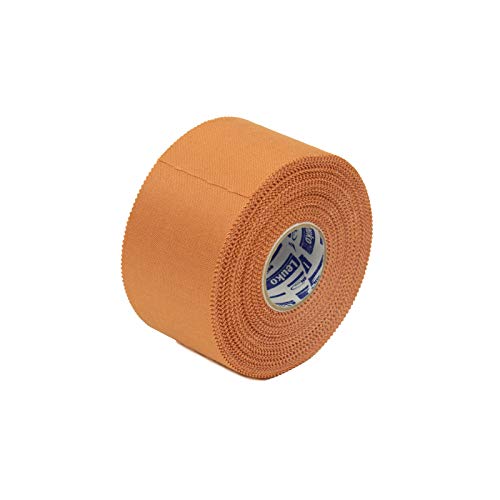
Acrylic adhesive dissolves in the presence of alcohol ensuring reduced skin irritation


CATCHERS GEAR BAG WITH WHEELS - The Bownet Commander Catchers Bag is designed with extra mobility and patented Big Trax rugged, rubber treaded wheels to effortlessly carry equipment for baseball, softball, tee-ball, wiffle ball, and even sports like hockey, football, soccer, and lacrosse.
Proper Sock Selection

Proper sock selection plays a crucial role in ensuring foot comfort and protection during basketball activities, particularly following an emphasis on skin preparation and protection measures. The choice of sock materials, such as moisture-wicking synthetic blends including polypropylene and nylon, can greatly reduce sweat accumulation, thereby mitigating blister risk. Additionally, sock height is important; crew socks provide enhanced coverage and friction protection, while ankle socks offer a lighter option without sacrificing cushioning. Socks should fit snugly to prevent slipping and bunching, which can lead to discomfort. Strategic padding in critical areas, such as the heel and toes, further enhances protection. Ultimately, a thoughtful selection of quality socks contributes significantly to a comfortable and blisters-free basketball experience. Moreover, investing in high-quality basketball socks can lead to increased durability and comfort during gameplay.
Recommended Products

WOMEN’S RECOVERY TIGHTS: Compression leggings for women fit like a second skin for all day comfort and functionality. CEP’s graduated compression increases venous blood return, maximizing the supply of oxygenated blood to recovering muscles.
WOMEN’S RECOVERY TIGHTS: Compression leggings for women fit like a second skin for all day comfort and functionality. CEP’s graduated compression increases venous blood return, maximizing the supply of oxygenated blood to recovering muscles.

MUSCLE CONTAINMENT STAMPING (MCS) Muscle Containment Stamping (MCS) traces quadriceps; to dissipate the load transfer on the knee joint, and calf; to alleivate muscle strain during the toe phase of running
Shoe Fit and Adjustment

Achieving an ideal shoe fit is vital for peak performance and comfort on the basketball court, as improper fitting can lead to discomfort, blisters, and reduced mobility. A well-fitted basketball shoe should allow for approximately a thumbnail’s length of toe spacing between the longest toe and the shoe tip, accommodating foot swelling during intense play. The midfoot area needs to maintain snugness without excessive tightness, ensuring best stability and reducing movement that can cause friction blisters. For players with wider feet, selecting models with a broad toe box is essential to prevent pressure points. Additionally, a secure heel fit minimizes unwanted slippage, enhancing overall fit and comfort, thereby supporting players’ performance capabilities and health on the court. Durable materials are also crucial in ensuring that the shoes withstand wear and provide strong support during gameplay.
Recommended Products


Air Jordan 14 Retro 'Black Toe 2024' (487471 160)
External Methods to Soften Shoes

Softenening new basketball shoes is an important consideration for players seeking an ideal fit and improved comfort. Various external methods exist to facilitate this process effectively.
Recommended Products

G-1000 fabric—a blend of 65% recycled polyester and 35% organic cotton for sustainability and durability.

Sports Artwork For Walls: Elevate your space with our sports canvas wall art for boys rooms (and girls'). Choose from a range of dynamic sports-themed pieces to transform your walls into a tribute to the spirit of competition and adventure.

960 PAIRS WHOLESALE BULK PACK : Never run out of socks again! Each pack includes 960 pairs of ankle socks for men. These socks are made with a quality polyester blend making them perfect for the casual wearer or even athlete. These ankle socks will easily become your favorite socks for everyday wear.
Heat Application
Applying heat through a hairdryer or steam treatment can make materials, particularly leather, pliable. Wearing thick socks while using heat aids the shoe’s adaptation to the foot.
Mechanical Stretching
Utilizing shoe stretchers enables targeted pressure application for expanding tight areas, enhancing fit without damage.
Conditioning Techniques
Leather conditioners are essential for infusing oils into stiff areas, bolstering flexibility and reducing break-in time.
Sun Exposure
Placing shoes in sunlight for limited periods increases warmth, softening the material for better conformity to foot shapes. Additionally, ensuring that the shoes provide adequate support and stability is crucial for maintaining comfort during the break-in phase.
These methods collectively contribute to a more comfortable and effective break-in experience.
Protective Measures During Break-In
Safeguarding the foot during the break-in period of new basketball shoes is paramount for preventing discomfort and injury, with several protective measures available.
Ankle Support
Utilizing ankle braces or sleeves provides external stability, limiting excessive movement and reducing injury risk. While initially stiff, they adapt over time, enhancing future injury resilience.
Socks and Coverings
Thick, moisture-wicking socks diminish friction and promote skin health. Blister prevention pads in high-friction areas further enhance protection against irritation.
Lubricants and Barriers
Applying friction-reducing lubricants on hotspots minimizes irritation. Barrier tapes offer mechanical defense against shear forces, maintaining skin integrity during repeated wear. Additionally, basketball rebounders can be used to practice shooting while wearing new shoes, helping to break them in effectively.
Adopting these adaptive strategies during the break-in phase can greatly enhance comfort and overall performance as players integrate their new footwear into routines.
Importance of Foot Inspections
Regular foot inspections serve as a critical practice for athletes, particularly in basketball, where foot health greatly impacts performance and injury prevention. These inspections are essential for early identification of issues, such as:
- Blisters and hotspots: Detecting early signs can prevent worsening conditions.
- Skin integrity: Examining for redness, swelling, or cracks is crucial to maintaining foot health.
- Shoe wear patterns: Regular checks reveal gait abnormalities or uneven wear, indicating alignment or footwear issues needing correction.
Utilizing Blister Prevention Products
Effective blister prevention strategies are critical for athletes aiming to maintain optimum foot health during basketball activities, as the emergence of blisters can considerably hinder performance. Utilizing antifriction balms, such as Body Glide Foot Glide, creates a protective barrier in high-friction areas, mitigating the risk of chafing and irritation from new shoes. Application prior to wear guarantees that a non-greasy surface is established, which remains effective even in humid conditions. Similarly, adhesive protective tapes and moleskin can safeguard vulnerable skin, providing cushioning around hot spots. Additionally, incorporating moisture-wicking socks further enhances blister prevention by reducing excess moisture that contributes to skin softening. Together, these products offer a thorough approach to maintaining comfort and foot integrity throughout athletic endeavors.
Recommended Products

HEALING BALM FOR ATHLETES: Chamois cream moisturizes to prevent chaffing, rubbing, friction, chub rub

Product 1: Anti Chafing Stick - Apply Before You Get Dressed, On Thighs, Neck, Arms, And Anywhere Skin Is Rubbed.

Elite Athlete Trusted Performance: Developed and trusted by collegiate and professional athletes who demand maximum grip. We strive for nothing but the best, to be the best, so we can perform the best when it matters the most.
Incorporating Breaks During Wear
Incorporating breaks during the wear of new basketball shoes is essential for promoting foot comfort and preventing the development of blisters, particularly during the initial adjustment phase. Regularly scheduled rest intervals can mitigate friction stress, allowing the skin to recover and reducing moisture buildup inside the shoes.
Recommended Practices:
- Break Duration: Include short, frequent breaks during physical activity to lessen continuous rubbing on sensitive areas.
- Monitoring: Observe areas of discomfort, adjusting break frequency based on signs of irritation.
- Timing: Opt for breaks early in the day, when feet are less swollen, to avoid tight spots that could cause blisters.
Pairing New Shoes With Established Gear
When new basketball shoes are introduced, careful consideration must be given to pairing them with established gear, as this relationship greatly influences overall performance and comfort during change periods. The compatibility of shoe materials, whether leather or synthetic, affects the break-in time for comfort consistency. High-top shoes, while offering enhanced ankle support, may benefit from pairing with cushioned socks or ankle braces to mitigate prolonged break-in durations. Additionally, matching cushioning levels and moisture-wicking properties helps prevent friction and heat accumulation, reducing blister likelihood. Employing existing orthotic inserts can maintain proper foot positioning, facilitating a smoother adaptation. By gradually integrating new footwear with familiar gear, players can achieve ideal support while minimizing the risk of blisters during this shifting phase.
Monitoring Comfort Levels
Monitoring comfort levels during the break-in phase of new basketball shoes is essential for optimizing performance and preventing injury, as early discomfort can serve as a significant indicator of fit and support.
- Recognizing Discomfort Signals: Early discomfort is frequent; however, sharp pain or hot spots should be reported immediately. Target pressure points—heels, sides, and toes—must be assessed regularly.
- Tracking Changes: Comfort feedback is important; assess shoe tightness after each use, noting any loosening in shoe materials.
- Health Considerations: Inspect feet daily for irritation or swelling to prevent blisters.
- Activity Intensity: Increased activity can amplify discomfort. Gradually escalate intensity during the break-in phase to gauge pain thresholds while applying lower intensity drills initially.
This systematic approach fosters a supportive environment for adaptation.
Adjusting Lacing Techniques
Adjusting lacing techniques represents an essential component of optimizing fit and comfort in new basketball shoes, as effective lacing can markedly influence performance and reduce the risk of injury.
- Heel Lock: This method utilizes extra top eyelets to create a loop lock around the ankle, which enhances heel hold and minimizes slippage, ultimately reducing friction blisters.
- Wide-foot Lacing Technique: For individuals with a wide foot, altering the lacing pattern by threading laces vertically through lower eyelets helps alleviate toe pinching, thereby decreasing discomfort during play.
- Adjustable Tightness Gradient: Maintaining a tighter lace around the ankle while loosening the midfoot and toe area improves foot lockdown, decreasing the likelihood of blisters and enhancing overall comfort during athletic activities.
Maintaining Moisture Balance in Feet
Maintaining an ideal moisture balance in the feet is critical for achieving both comfort and performance during athletic activities, as excessive moisture can lead to various complications such as fungal infections and blisters. Effective moisture control starts with proper foot hygiene, including daily washing and thorough drying, which reduces moisture buildup.
Moisture-wicking socks made from synthetic fibers like CoolMax® create a gradient that efficiently diffuses sweat away from the skin, promoting effective foot hydration. Utilizing absorbent powders can further assist in keeping the feet dry by absorbing excess moisture within footwear. Additionally, applying foot moisturizers post-cleaning nourishes the skin, enhancing its elasticity and resilience against blisters. By maintaining this balance, athletes can mitigate risks and optimize their performance during the break-in period for new basketball shoes.
Frequently Asked Questions
How Long Does It Take to Fully Break in New Basketball Shoes?
Surprisingly, new basketball shoes typically require one to three weeks to fully break in. Employing effective break-in techniques alongside adequate cushioning guarantees comfort, allowing players to feel at home on the court sooner rather than later.
Can Different Shoe Materials Affect Blister Risk?
Different shoe materials considerably influence blister risk, with synthetic fabrics promoting blister prevention through moisture-wicking properties. In contrast, stiffer leathers require careful breaking in to reduce friction and avoid discomfort during wear.
What Activities Should I Avoid While Breaking in New Shoes?
While breaking in new shoes, one should avoid intense workouts and skip long runs. Gradually increasing wear and choosing low-impact activities can help guarantee comfort, reduce discomfort, and foster a positive experience for the wearer.
How Can I Tell if My Shoes Are Too Tight?
To determine if shoes are too tight, a comfort assessment should be conducted, noting any pain, pinching, or cramping. Proper shoe fitting allows for gentle snugness without excessive pressure on toes or sides.
Should I Wear New Shoes Outdoors During the Break-In Period?
Wearing new shoes outdoors during the break-in period can enhance break-in progress, with studies showing 70% of runners report better comfort. However, caution is essential to avoid discomfort from outdoor surfaces and prolonged wear.


