As an Amazon Associate, we earn from qualifying purchases. Some links on this site are affiliate links at no extra cost to you. Our recommendations are based on thorough research and editorial judgment.


How Do You Build Endurance For Full-Court Basketball Games?

To build endurance for full-court basketball games, athletes should employ a detailed training regimen that includes high-intensity interval training (HIIT) to improve cardiovascular capacity, alongside strength and agility exercises which enhance muscle endurance and explosive movements. Cognitive function also plays an essential role, as quick decision-making can affect gameplay performance. Additionally, recovery strategies such as adequate sleep, proper nutrition, and hydration facilitate peak performance. A well-rounded approach can greatly enhance an athlete’s endurance on the court, revealing further insights into effective training methodologies.
Key Takeaways
- Implement high-intensity interval training (HIIT) to improve cardiovascular endurance and anaerobic power necessary for full-court basketball.
- Tailor training regimens to match positional demands, focusing on speed, agility, and endurance for backcourt players.
- Prioritize recovery strategies, including adequate sleep, nutrition, and hydration, to optimize performance and muscle repair.
- Engage in cognitive training through complex drills to enhance decision-making and mental endurance during games.
- Incorporate strength and agility drills, such as plyometrics and cone slides, to develop explosive movements and lateral stamina.
Understanding the Demands of Full-Court Basketball
You may be interested


In light of the rigorous nature of full-court basketball, it becomes vital to recognize the multifaceted physical demands that players encounter during gameplay. The expansive court dimensions necessitate that athletes exhibit superior endurance and speed, particularly in 5v5 scrimmages where greater distances are covered due to increased player movement.
- Players in backcourt positions experience heightened demands as they often cover more total distance while engaging in high-speed scenarios.
- Coaches frequently adjust court size to manipulate training intensity, emphasizing full-court drills to develop players’ cardiovascular fitness.
Understanding positional demands is important, as specific training regimens tailored to each player’s role can greatly enhance performance. Ultimately, recognizing these physical requirements fosters a thorough approach to endurance development in full-court basketball. Incorporating strength development tools into training can further enhance overall performance and stamina on the court.
Recommended Products
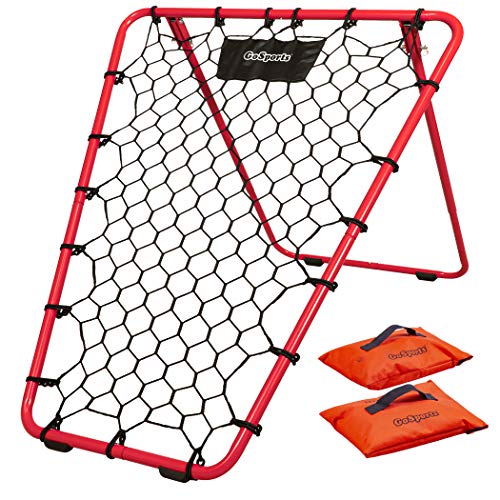
BASKETBALL REBOUNDER: Take basketball practice to the next level with this pass-back training aid! Set includes 1 foldable rebounder and 2 sand bags for added stability (sand not included)

Official weight with a 33" size

Silent Design & Worry-free Home Training----Basketball training equipment features a high-elasticity nylon mesh surface and widened elastic bands, effectively buffering the impact force of basketball slaps and reducing noise by over 90%. It won't disturb residents when practicing late at night or in an apartment. It is suitable for both basketball and baseball, allowing you to practice efficiently at home!
Benefits of High-Intensity Interval Training

High-Intensity Interval Training (HIIT) has emerged as an essential methodology for enhancing athletic performance in basketball, primarily due to its ability to develop both cardiovascular endurance and anaerobic power. Through various HIIT techniques, players can notably improve their VO2 max, thereby boosting overall aerobic capacity crucial for sustained high-intensity efforts on the court. Contrary to common HIIT misconceptions, its time-efficient nature allows for more effective endurance development compared to traditional training methods. Additionally, HIIT enhances muscle endurance and power, critical for explosive movements during gameplay. Moreover, improved agility and cognitive functioning from HIIT directly translates to better performance in basketball-specific skills, supporting athletes in reacting swiftly and accurately under pressure, thereby improving their competitive edge. Incorporating training aids such as agility ladders and rebounders can further enhance the effectiveness of HIIT sessions by simulating game scenarios.
Recommended Products
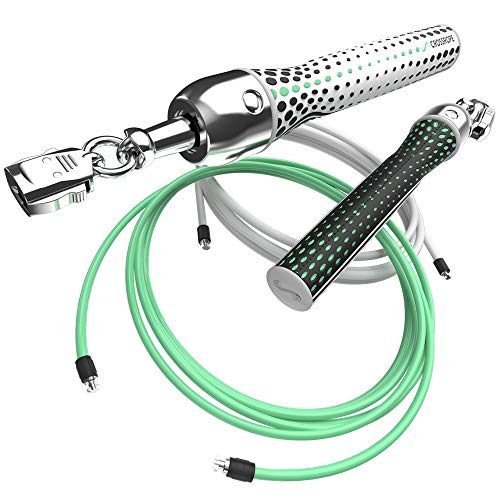
First weighted jump rope system built to help you achieve your weight loss and fitness goals

Train footwork and agility patterns in game-like situations

Strength and Agility: The Building Blocks of Endurance

Strength and agility serve as fundamental components in the development of endurance for basketball players, considerably influencing both individual performance and overall team effectiveness. Establishing strength foundations through exercises such as the high hang power clean and single-leg squat fortifies the muscles essential for explosive movements on the court. Plyometric drills, including pogo jumps and stair jumps, effectively enhance both lower body power and cardiovascular endurance, allowing athletes to sustain high-intensity efforts. In addition, agility drills, like the cone slide drill, improve lateral movement and overall stamina. This combination of strength training, explosive movements, and agility enhancement promotes an athlete’s ability to excel during full-court games, integrating stamina with essential basketball skills for optimum performance on the court. Moreover, incorporating compression pants can improve muscle support and reduce fatigue, further aiding in endurance during rigorous gameplay.
Recommended Products

Burn twice the calories in half the time

Flexibility: high The more flexibility you have in the midsole and outsole, the more you can move naturally. We laser-siped the outsole for better flexibility, whether you're jumping, planking or powering through plyometrics. We also rounded the big-toe side of the forefoot for better agility and quickness when making sudden movements.
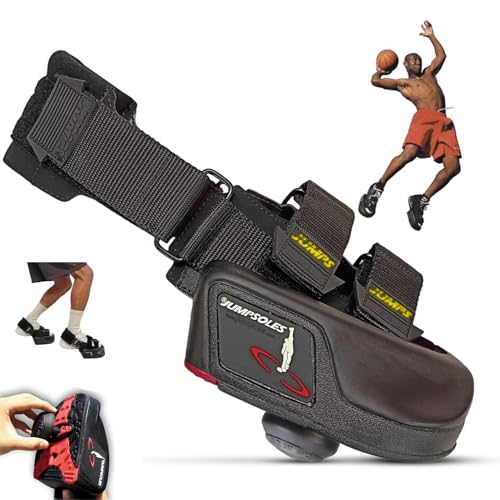
ADD UP TO 12 INCHES TO YOUR VERTICAL JUMP: Ultimate Proprioceptor System converts your Jumpsoles into individual wobble platforms to activate stabilizing muscles in the ankles and feet. Increases energy return for higher jumps and improved explosive power in basketball, volleyball, and athletic training.
Cognitive Function and Its Impact on Performance

Cognitive function plays a pivotal role in enhancing performance on the basketball court, as it underpins the ability to make quick decisions, maintain focus, and execute complex skills during play. The enhancement of executive function through basketball training greatly boosts players’ inhibition, working memory, and cognitive flexibility. Compared to aerobic and resistance training alone, participants engaged in basketball showed marked improvements in inhibitory control and decision-making after just four months. Furthermore, the complexity of basketball drills fosters mental load, enabling players to enhance cognitive performance when appropriately challenging. This dual-task environment greatly enhances decision-making speed and accuracy, proving critical for effective play. Consequently, cognitive capacity development is integral to sustaining endurance and improving overall basketball performance. Additionally, utilizing basketball training aids can further enhance cognitive function by providing varied and complex training scenarios that challenge players mentally and physically.
The Role of Aerobic Capacity in Basketball

Aerobic capacity serves as a fundamental pillar in the overall performance and endurance of basketball players, facilitating essential physiological adaptations necessary for ideal gameplay. By enhancing aerobic metabolism, athletes can achieve significant aerobic benefits, vital for rapid recovery from high-intensity sprints and jumps. This is particularly important given that basketball involves intermittent bursts of activity that draw upon both aerobic and anaerobic energy systems. An endurance assessment through metrics such as VO2max reveals that players exhibiting higher aerobic capacity generally experience faster recovery times between explosive movements, retaining performance quality throughout games. Additionally, tailored training regimens focused on basketball-specific endurance can yield notable improvements, ultimately equipping players with the stamina required to excel on the court. Incorporating basketball shooting machines into training can further enhance endurance by increasing shooting volume and practice intensity.
Practical HIIT Workouts for Endurance
An array of practical HIIT workouts can greatly enhance basketball players’ endurance and performance on the court, addressing the unique physical demands of the sport. Incorporating HIIT exercises, such as burpees, lateral lunges, and sprints, into a structured workout can yield significant benefits.
Workout Structure:
- Interval Duration: Short (20–45 seconds) for anaerobic, longer (2–4 minutes) for aerobic.
- Example Session: 3–4 rounds of various exercises, 30 seconds of maximum effort, followed by 30 seconds of rest.
- Frequency: 2–3 times per week is recommended for ideal endurance gains.
Such structured sessions foster improved VO2max, anaerobic capacity, and muscular endurance, essential for the demands of full-court basketball games. Additionally, using conditioning equipment can further enhance training effectiveness and overall performance.
Recommended Products

No-Bounce Compression Fit for Running and HIIT — USA-made Xyflex stretch fabric locks weight to your body with zero vertical shift during sprints, burpees, and dynamic training. Moves with you, not against. 20 lb USA steel weights included.

Powerful Electromagnetic Flywheel: Delivers up to 88 lbs of peak resistance—strong and quiet, solving the lack of resistance in traditional magnetic rowing machines.

Fits all standard basketball goals / Weight: 8 lbs.
Recovery Strategies for Optimal Performance
Effective recovery strategies are integral to ensuring ideal performance in basketball, as they facilitate the body’s ability to heal, replenish, and prepare for subsequent exertion. Implementing proper sleep habits, characterized by a duration of 7-9 hours, enhances muscle repair and restores energy while regulating recovery-related hormones. In addition, nutrition timing is critical; consuming a recovery meal within 30-60 minutes post-exercise, filled with carbohydrates, proteins, and healthy fats, optimizes muscle glycogen resynthesis. Adequate hydration further supports nutrient transport and blood volume maintenance. Additional modalities, such as foam rolling and cold water immersion, effectively reduce muscle soreness, emphasizing the importance of a holistic approach to recovery that prioritizes both physical and cognitive rejuvenation for athletic performance continuity.
Recommended Products

Private Balance Trainer: Elevate your performance with Sportneer Balance Board. This game-changing balance board is designed to hone muscle memory, boost balance and endurance, and build rock-solid core strength, making it a must-have for athletes, snowboarders, surfers, skateboarders, stand-up paddleboarders, and more.
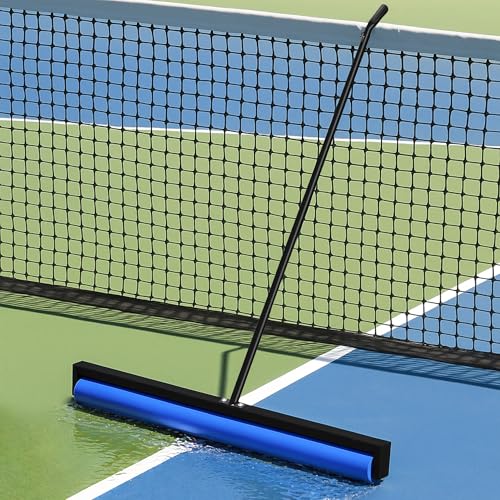
【Fast Water Removal with PVA Absorption】 ‘SOAK the roller before first use. It is compressed like a memory foam mattress’ Engineered for quick court recovery, this tennis court squeegee uses a premium PVA roller that absorbs and lifts water in seconds. Simply soak the roller before use, and it instantly activates its full absorption power—helping you remove standing water efficiently so players can get back on the court faster

【FITS IN YOUR EVERYDAY BAG SO YOU CAN ROLL MORE OFTEN】 Your body and mind are your greatest assets. Regular foam rolling has been proven to have huge benefits on both. With the world’s first truly portable roller, you can manage pain and speed your recovery no matter where you are. ROLL MORE, FEEL BETTER, and CONQUER THE DAY with your Morph!
Frequently Asked Questions
How Long Should I Train Each Week for Optimal Endurance?
For ideal endurance, individuals should aim for 8+ hours of weekly training, adhering to endurance principles by incorporating both conditioning and strength workouts. This structured approach promotes endurance development while fostering a sense of accomplishment and community.
What Role Does Nutrition Play in Building Basketball Endurance?
Nutrition profoundly shapes basketball endurance through macronutrient balance, fueling performance, and effective hydration strategies. While players pour their hearts into the game, proper fueling and hydration foster resilience, ultimately nurturing their passion for teamwork and success together.
Can Young Athletes Safely Perform HIIT Workouts?
Yes, young athletes can safely perform HIIT workouts when supervised by trained professionals. HIIT benefits include improved endurance and strength, while ensuring youth safety through gradual progression, proper technique, and adequate recovery measures throughout their training regimen.
How Can I Track My Endurance Progress Effectively?
How can one uncover the true nature of their endurance progress? By implementing duration analysis and intensity evaluation, athletes can track their improvements effectively, fostering a sense of belonging within the basketball community through shared goals.
What Common Mistakes Should I Avoid During Endurance Training?
Avoiding overtraining symptoms and ensuring consistent hydration are essential during endurance training. Neglecting rest or proper hydration can hinder performance and lead to injury, ultimately diminishing the joy of playing and the sense of belonging within the team.


