As an Amazon Associate, we earn from qualifying purchases. Some links on this site are affiliate links at no extra cost to you. Our recommendations are based on thorough research and editorial judgment.


What Basketball Stretches Prevent The Most Common Injuries?

Effective basketball stretches focus on essential muscle groups to prevent common injuries. Quadriceps and hamstring stretching enhances flexibility, reducing hamstring strains. Additionally, ankle and calf stretches improve stability and mobility, mitigating lower extremity injuries. Emphasizing hip and glute flexibility aids agility and spinal alignment. Incorporating dynamic stretching techniques, such as leg swings and lunges, further prepares athletes for gameplay. Therefore, these targeted stretches play an important role in injury prevention and performance enhancement; further strategies will be examined for ideal conditioning.
Key Takeaways
- Stretching the quadriceps and hamstrings reduces the risk of hamstring strains and enhances muscle balance for injury prevention.
- Regular calf and ankle stretches improve stability and
Importance of Quadriceps and Hamstring Stretching
You may be interested


The significance of quadriceps and hamstring stretching in basketball cannot be overstated, as these practices are integral to minimizing injury risk and enhancing player performance. Increased quadriceps flexibility correlates with a lower risk of hamstring strains, underscoring the importance of proper stretching routines.
- Enhanced quadriceps flexibility guarantees balanced muscle forces, thereby reducing eccentric hamstring strain during high-concentric activities.
- Consistent quadriceps and hamstring stretching promotes muscle elasticity, essential for maintaining ideal knee alignment and shock absorption during explosive movements such as jumping.
- Incorporating dynamic warm-ups that engage both muscle groups prepares players for the demands of basketball, ultimately fostering a safer and more effective playing environment. Additionally, proper stretching routines should be prioritized to ensure optimal performance and reduce the likelihood of injuries.
Thus, these stretching exercises should form a cornerstone of any thorough injury prevention strategy for basketball athletes.
Recommended Products

Comprehensive Stretch Solution: The IdealStretch, a premier hamstring stretcher machine, delivers unparalleled hamstring, lower back, calf, and hip stretches. This ideal stretch device is perfect for athletes, seniors, and injury recovery.
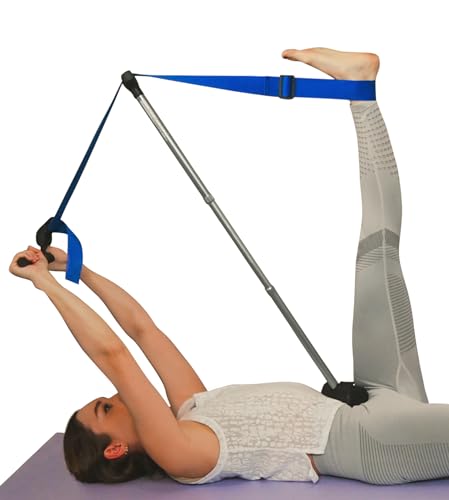
POWERFUL LEVERAGE MAKES STRETCHING EASY & RELAXING: Effortlessly hold your stretch as long as you want.

TARGETED QUAD, HAMSTRING, AND GROIN SUPPORT: Pinpoint compression helps stabilize muscles
Ankle and Calf Stretching for Injury Prevention

Incorporating ankle and calf stretching into a basketball training regimen is essential for injury prevention, particularly given the demands of the sport that place substantial stress on lower extremities. Effective ankle and calf stretching enhances ankle stability and calf flexibility, vital for maintaining balance during quick movements. Key stretches include:
- Gastrocnemius Stretch: Heels off a step, maintaining straight knees to target the upper calf.
- Soleus Stretch: One leg forward, bending both knees against a wall to stretch the lower calf.
- Peroneal Stretch: Cross-legged positioning to stretch outer ankle muscles.
Regular practice of these stretches can bolster ankle strength, reduce stiffness, and promote flexibility, ultimately leading to minimized injury risk during gameplay, and supporting overall athletic performance. Additionally, maintaining proper storage practices for collectibles can ensure that your basketball memorabilia remains in pristine condition, just as proper stretching ensures your body is prepared for the rigors of the game.
Recommended Products

FLATTERING HIGH-WAISTED FIT: 5” waistband sits comfortably at your natural waist for gentle, supportive compression that smooths and sculpts every body shape.

2-way stretch support web provides targeted support to knee and core joints and muscles - 80% nylon/20% lycra
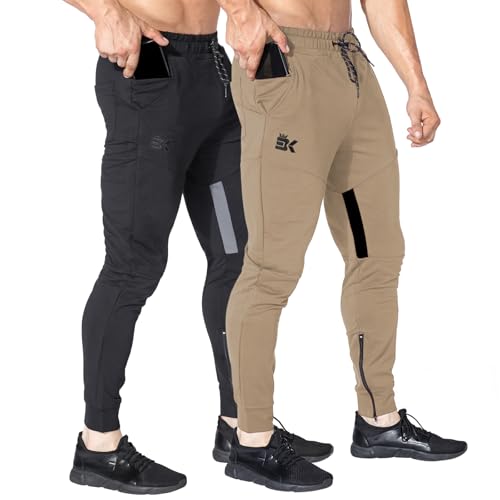
Thigh Breathable Design:Breathable mesh on the inner thigh,Midweight Skin Friendly breathable fabric make you feel comfortable even in the hot summer on these gym joggers
Benefits of Hip and Glute Flexibility

Achieving ideal hip and glute flexibility stands as a cornerstone in the domain of injury prevention for basketball athletes, particularly given the rigorous demands of the sport that involve explosive movements and direction changes. Enhanced hip mobility contributes to overall lower body agility, thereby reducing strain on knees and ankles. In addition, increased hip range of motion minimizes the risk of groin and lower back injuries.
Moreover, effective glute activation during warm-ups fosters improved hip stability and power generation, essential for rapid lateral movements. Stretching and strengthening the glutes subsequently reduces the likelihood of hamstring strains and knee injuries. By integrating dynamic hip and glute exercises, athletes can efficiently prepare their bodies for the physical challenges inherent to basketball, promoting both performance and safety on the court. Additionally, utilizing high-performance fabrics in basketball shooting shirts can further enhance overall comfort and mobility during these critical stretches.
Recommended Products

Features a 2-way stretch EXO-WEB panel that delivers optimal targeted support to key areas like the knees, hips, lower back, and pelvis, enhancing stability and reducing strain.
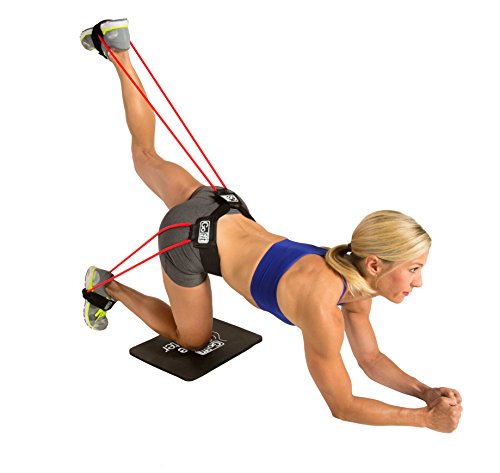
Blast your glutes and get a well-rounded workout with the GoFit Glute Blaster Belt Kit!

Aoxjox High Waisted Workout Leggings for Women Trinity Yoga Pants 26.5" (Black 3 Pieces Pack, Small)
【RUNS SMALL!SIZE UP!】 High-compression fabric.Snug fit: Order true size.Comfort/In-between: SIZE UP!MANDATORY: Check image "Size Chart" before buying.
Role of Shoulder and Chest Stretches

Understanding the significance of shoulder and chest stretches is essential for basketball athletes, as these areas play a pivotal role in performance and injury mitigation. Effective shoulder mobility is vital for executing skills such as shooting and passing, while chest expansion facilitates proper arm mechanics.
- The Cross-Body Shoulder Stretch targets the posterior shoulder, relieving tension and preventing stiffness, thereby preserving necessary range of motion.
- Conversely, the Doorway Chest Stretch improves chest flexibility, counteracting tightness from forward-leaning postures and enhancing shoulder rotation. Additionally, maintaining proper footwear can further support overall body mechanics during play.
Recommended Products
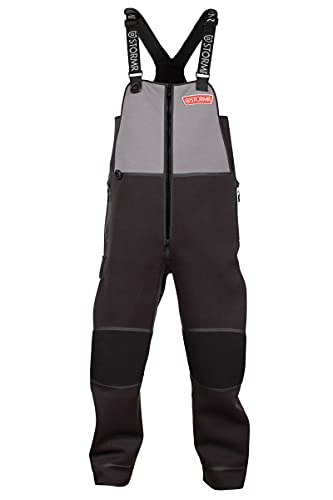
NEOPRENE CORE TECHNOLOGY - The STRYKR Bibs feature Neoprene Core Technology, which provides windproof, waterproof and insulating qualities by combining a membrane of soft, thin, durable and highly elastic neoprene with durable outer fabric

Graduated Resistance Bands for Shoulder Rehab & Strength: Includes 6 cloth covered bands (2x 5lb, 2x 10lb, 2x 25lb) that support every phase of recovery - from early post injury rehab and rotator cuff repair to mobility enhancement and full strength athletic training. Designed for men and women of all fitness levels.

BOUNCE CONTROL: Adjustable bounce control front panel provides customizable support.
Dynamic Stretching Techniques for Basketball

Dynamic stretching techniques serve as a vital component in basketball warm-up routines, facilitating enhanced performance while concurrently mitigating the risk of injuries associated with this high-intensity sport.
Key Dynamic Stretches for Injury Reduction:
- Leg Swings: Target hip flexors and hamstrings, reducing risk of groin and hamstring injuries.
- Walking Lunges with Trunk Rotation: Engage multiple muscle groups while improving dynamic balance for knee protection.
- High Knees and Butt Kicks: Activate calves and enhance explosive power, lowering strain risks.
- Arm Circles and Torso Twists: Mimic upper body movements required in game play, maintaining shoulder mobility.
- Carioca Exercises: Improve lateral movement flexibility, essential for preventing knee injuries from sudden changes in direction.
Incorporating these dynamic warm-ups into routines guarantees ideal muscle preparation, greatly contributing to injury reduction. Additionally, employing training aids effectiveness can further enhance practice efficiency and reduce injury risks during drills.
Recommended Products

SIZE UP: If you hesitate between two sizes, we recommend choosing a larger size than your usual size.

CHOOSE - between our 2 fabrics. VersaStretch (20.5 oz) and VersaStretch Lite (10.5 oz)
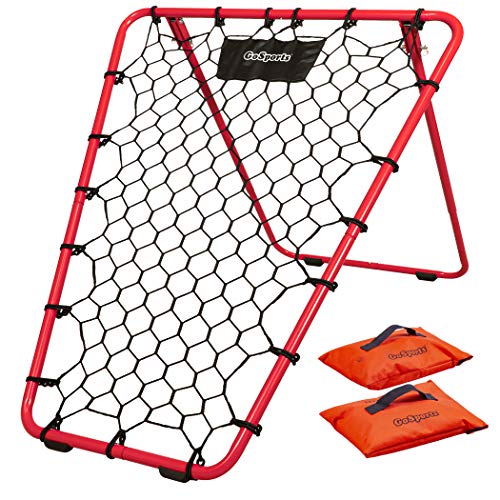
BASKETBALL REBOUNDER: Take basketball practice to the next level with this pass-back training aid! Set includes 1 foldable rebounder and 2 sand bags for added stability (sand not included)
Incorporating Plyometrics for Enhanced Stability
How can incorporating plyometrics enhance stability in basketball players and reduce the risk of injuries? Plyometric exercises serve to strengthen tendons, ligaments, and muscles, providing essential support that improves joint stability. Techniques such as box jumps and lateral bounding not only develop explosive power but also teach safe landing mechanics, reducing stress on joints. Additionally, eccentric strengthening exercises, like Bulgarian split squats, contribute further to joint resilience, particularly in preventing non-contact knee injuries such as ACL tears. Soft landings, proper warm-up protocols, and gradual progression in intensity guarantee that athletes effectively adapt to plyometric demands, allowing for maximum stability during dynamic movements. By integrating these principles, basketball players can greatly decrease injury risks while improving overall performance. Furthermore, utilizing agility training equipment can enhance these plyometric exercises, creating a more comprehensive training routine.
General Strategies for Flexibility and Strength Building
Incorporating plyometric training has established a foundation for enhancing stability among basketball players, which is essential for effective performance and injury prevention.
Dynamic and Static Stretching****
To develop general flexibility, dynamic stretching should precede activities, engaging muscles through full ranges while simulating on-court movements. Specific exercises, such as high knees and lateral lunges, can maximize readiness. Conversely, static stretching post-activity improves muscle recovery by elongating targeted muscle groups like quads and hamstrings, essential for maintaining mobility.
Strength Training
Integrating strength training with flexibility exercises fosters joint stability and muscular balance. Implementing eccentric exercises, including Bulgarian split squats, strengthens muscles, enhancing performance while minimizing injury risk, particularly for knee and ankle strains. Consistent application of these methods equips athletes with thorough strategies to optimize their physical readiness and resilience on the court.
Frequently Asked Questions
How Often Should I Stretch Before Basketball Practice?
Stretching should occur daily as part of a pre-practice routine to enhance flexibility benefits and prepare athletes for basketball. Consistent warm-ups reduce injury risks while fostering a sense of camaraderie among teammates during preparation.
What Are the Signs of a Muscle Strain?
Signs of a muscle strain include localized pain, tenderness, swelling, weakness, and difficulty moving the affected area. Recognizing these strain symptoms is vital for effective muscle recovery and returning to regular activities safely.
Can I Stretch After a Game Instead of Before?
“Better late than never,” they say. Post-game stretching provides key benefits, promoting muscle relaxation and flexibility recovery. While stretching after a game is beneficial, a balanced approach with pre-game stretches optimizes performance and reduces injury risk.
How Long Should I Hold Each Stretch?
Each static stretch should be held for 20 to 30 seconds, while dynamic stretching focuses on continuous movement with 5 to 10 reps per side, fostering connection and preparation for activity within the basketball community.
Are There Specific Stretches for Young Athletes?
A young athlete practicing walking lunges enhances youth flexibility and supports injury prevention. Such dynamic stretches prepare muscles for basketball movements, ultimately reducing the risk of injuries, ensuring a safer and more enjoyable game experience for all players.


