As an Amazon Associate, we earn from qualifying purchases. Some links on this site are affiliate links at no extra cost to you. Our recommendations are based on thorough research and editorial judgment.


What Features Should You Look For In High-Quality Basketball Shoes?

In selecting high-quality basketball shoes, key features include effective cushioning for comfort and injury prevention, ideal fit and support to enhance stability, and durable materials that withstand wear. Attention to traction patterns and outsole design is essential for grip and multidirectional movement. Additionally, versatility is important for accommodating different player positions. Finally, considering price in relation to performance and examining client reviews can provide valuable insights into shoe quality. More detailed insights can further aid in your decision-making process.
Key Takeaways
- Look for effective cushioning technologies like foam, gel, or air units for enhanced comfort and injury prevention.
- Ensure a secure heel fit and midfoot lockdown to improve stability and reduce the risk of injuries.
- Choose shoes with premium rubber outsoles and effective traction patterns for optimal grip and durability during play.
- Consider the shoe’s weight, as lightweight options enhance responsiveness and jumping performance, while heavier shoes may hinder agility.
- Evaluate versatility based on your playing style, ensuring the design meets specific support requirements for your position on the court.
Cushioning and Shock Absorption
You may be interested


When selecting high-quality basketball shoes, the significance of cushioning and shock absorption cannot be overstated, as these features play a pivotal role in guaranteeing both comfort and injury prevention on the court. Effective cushioning technology integrates materials such as foam, gel, and air-based units, which not only absorb impact but also enhance overall performance. For instance, high-density Thermoplastic Urethane (TPU) shanks amplify shock absorption while stabilizing the foot. This is vital for players, especially those prone to joint issues, as adequate cushioning reduces stress on the knees and ankles by absorbing landing forces. Ultimately, understanding these cushioning elements guarantees players choose shoes that provide essential impact resistance, thereby fostering a safer, more enjoyable playing experience on the court. Additionally, advanced cushioning technologies like EVA and polyurethane ensure lightweight support and improved force transmission during play.
Recommended Products

The full-length Nike Air unit offers comfortable cushioning for everyday wear.

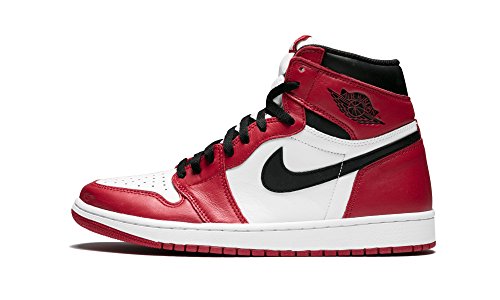
White/Black-Varsity Red
Bounce and Energy Return

Bounce and energy return represent critical performance metrics that greatly enhance a player’s on-court capabilities. The midsole composition plays a pivotal role in bounce performance, utilizing specialized foam compounds or air units engineered for energy return technology. For instance, Nike’s Zoom Air units provide forefoot propulsion rates as high as 81.5%, promoting explosive push-offs. Similarly, Adidas employs EVA-based midsoles that optimize responsiveness and impact absorption, striking a balance between comfort and energy return. High bounce characteristics allow for greater explosiveness during jumps and sprints, while energy return mitigates leg fatigue by recycling impact energy into motion. Advanced materials, such as TPU and PEBA, showcase significant energy return percentages, demonstrating their efficiency in enhancing overall athletic performance on the court. Additionally, the use of advanced cushioning technology can further improve impact absorption, reducing the risk of knee discomfort during play.
Fit and Support

Heel Lockdown
A secure heel fit prevents slippage, which is vital for stability and reduces the risk of blisters and ankle injuries. Padded heel collars enhance comfort and grip, ensuring a locked-in feel during quick movements. Additionally, shoes that incorporate stability technology can further enhance performance by providing essential support during lateral movements.
Midfoot Support
The midfoot area must provide maximum lockdown, aligning with the foot’s natural flex points to enhance comfort and stability. Effective lockdown prevents foot sliding during lateral moves, utilizing advanced lacing systems or molded midsoles. Choosing shoes with the right fit, including snugness and appropriate arch support, will substantially improve performance, allowing players to engage fully and confidently in their game.
Recommended Products
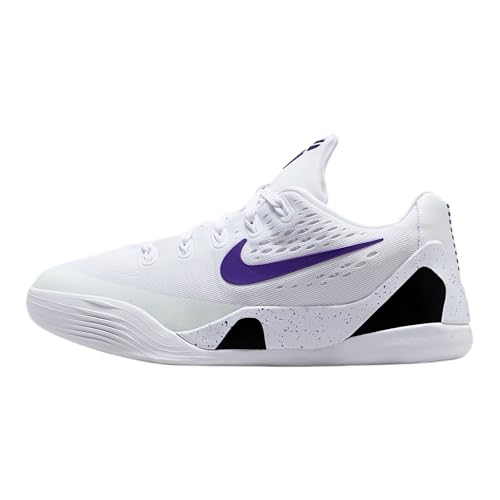
Lightweight knit upper is made to move, offering breathable comfort and the support you need to make quick cuts as you dash down court.

All-Surface Ready: Engineered for versatility, this mid-top performance shoe adapts effortlessly to a variety of surfaces.

Court-Ready Agility: Performance-driven minimalist court training shoes with wide toe box engineered for agility, support, and barefoot freedom for tennis, pickleball, and gym workouts
Durability and Materials

To achieve ideal performance and longevity in basketball shoes, one must consider not only fit and support but also the durability and materials utilized in their construction. High-quality basketball shoes often feature a combination of leather for superior durability and support, alongside synthetic materials like TPU for lightweight flexibility.
- Material Longevity: Premium rubber outsoles enhance grip and prolong lifespan, particularly for outdoor use, while reinforced stitching improves upper durability in high-wear areas.
- Construction Techniques: Dual-density foam in midsoles optimizes cushioning, and thorough integration of various materials balances breathability with structural stability. Additionally, choosing shoes with effective cushioning can significantly reduce impact and improve overall comfort during play.
Opting for meticulously crafted shoes guarantees they withstand the rigors of the game, ultimately promoting performance and fostering a sense of confidence among players.
Recommended Products


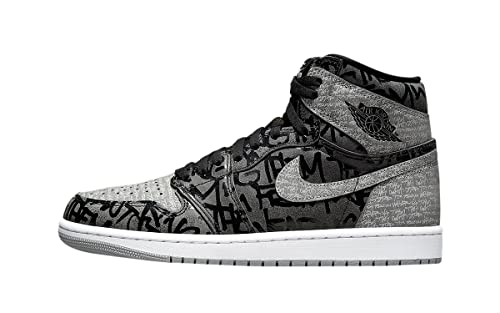
Air Jordan 1 Retro Low OG SP Travis Scott Black Phantom DM7866-001 Size 42
Traction and Outsole Design

While the choice of traction and outsole design is often overlooked, it plays a critical role in determining a player’s performance on the basketball court. High-quality basketball shoes incorporate various outsole materials, such as rubber and reinforced compounds, enhancing durability and grip. Effective traction patterns, especially the herringbone design, facilitate multidirectional movement, allowing players to execute quick cuts and lateral shifts. Deeper grooves cater to outdoor surfaces, whereas shallower options suit indoor courts. By combining softer and harder rubber, manufacturers find a balance between traction and longevity, optimizing performance. The design not only influences agility but also mitigates the risk of injuries by ensuring reliable slip resistance during rapid movements, reinforcing the fundamental importance of traction in basketball footwear. Additionally, the moisture management features in high-quality basketball shoes help maintain grip during wet conditions, further enhancing performance.
Recommended Products

Durable & Comfortable


Benefits Genuine and synthetic leather and textile material. Phylon midsole with Zoom Air unit encapsulated in forefoot and heel. Rubber outsole with large herringbone pattern provides traction. Color Shown: Varsity Royal/Varsity Maize/White/Black
Comfort and Breathability
The significance of comfort and breathability in basketball shoes cannot be overstated, as these factors directly influence a player’s performance and well-being during intense gameplay.
- Breathable Mesh: A shoe constructed with breathable mesh enhances ventilation, facilitating effective air circulation and minimizing moisture build-up, vital in maintaining foot comfort.
- Moisture Management: Efficient moisture management systems help in reducing the risk of blisters, fungal infections, and general discomfort, thereby allowing players to concentrate fully on the game.
- Optimal Balance: It is essential for performance footwear to balance breathability with structural rigidity to guarantee support without overheating, impacting a player’s energy levels and endurance during high-paced play. Additionally, incorporating moisture-wicking properties can further enhance comfort by keeping the feet dry during rigorous activity.
Ankle Support Options
How essential are the various ankle support options in enhancing performance and preventing injuries in basketball?
Ankle support options, such as high-top designs, provide notable benefits, particularly with increased collar height that offers additional protection and perceived stability. High-top shoes typically feature reinforced heel counters, padded collars, and adjustable straps, which help stabilize the ankle, thereby reducing the risks of sprains. However, it is vital to assess ankle brace compatibility; while low-tops accommodate braces without pressure, high-tops may impede comfort and effectiveness due to collar rigidity. Brands such as Adidas integrate lightweight materials in their designs, balancing support with flexibility. Ultimately, players must evaluate their needs, previous injuries, and preferred styles to select shoes that deliver ideal ankle support while accommodating any necessary braces for injury prevention.
Weight of the Shoe
Selecting the appropriate weight of basketball shoes is vital for optimizing athletic performance, as variations in shoe weight directly influence a player’s vertical leap, sprinting capabilities, and overall agility on the court.
Lighter shoes, ideally under 350g, greatly enhance shoe responsiveness and jumping performance, yielding vertical increases of approximately 2.1%. Conversely, heavier shoes (above 600g) may detrimentally affect explosive power and agility, resulting in slower sprint times and increased ground contact duration.
Additionally, players’ weight perception influences psychological engagement; awareness of lightweight footwear correlates with improved confidence and aggressive play. Consequently, athletes who prioritize shoe weight not only facilitate superior biomechanics but also cultivate a competitive edge, essential for excelling in high-pressure scenarios on the basketball court.
Design and Aesthetics
Although often overlooked, the design and aesthetics of basketball shoes play an essential role in both player performance and personal expression on the court. The integration of vibrant color trends allows athletes to showcase their unique style, aligning with individual play styles. High-quality basketball shoes utilize advanced materials, such as mesh and leather, to enhance both visual appeal and durability. Signature models, such as those from Air Jordan and Nike LeBron, fuse iconic aesthetic qualities with performance features, making them highly sought after. In addition, cross-disciplinary influences, drawing inspiration from ballet and soccer, have redefined modern design aesthetics, yielding sleek patterns that not only look bold but also cater to biomechanics, thereby enhancing overall player effectiveness on and off the court.
Versatility for Different Positions
Versatility plays a critical role in selecting basketball shoes suitable for players occupying various positions on the court, as each position has its distinct movement patterns and support requirements. Shoes designed with multi-position adaptability meet position-specific needs without sacrificing performance. For instance, guards benefit from lightweight, low-top designs that enhance agility and ankle mobility, while forwards require balanced cushioning for varied roles like shooting and rebounding. Big men, such as power forwards and centers, typically favor high-tops for added ankle support and enhanced stability. Versatile basketball shoes allow athletes to shift between positions while maintaining ideal traction, cushioning, and fit, ultimately promoting seamless gameplay and reducing the necessity for multiple pairs tailored for specific roles.
Price and Value Assessment
The evaluation of price and value in basketball shoes encompasses a nuanced understanding of affordability, performance, and durability, essential for discerning players. Entry-level models priced around $70 offer basic functionality, catering to beginners, while budget options under $100 provide good performance, evidenced by brands like Nike and Adidas.
High-performance shoes range from $130 to $250, offering advanced features such as enhanced traction and cushioning, justifying their price through superior on-court performance. For those seeking a balanced choice, mid-range models around $130 maintain quality without excessive costs. A thorough price comparison and value assessment should consider not only the upfront cost but also durability and performance gains relative to price, ensuring players invest wisely in their footwear.
Recommended Products

Client Reviews and Recommendations
How do player experiences shape the perceptions of basketball shoe performance? Client reviews and recommendations provide critical insights into shoe quality, reflecting real-world performance through customer feedback. Positive experiences frequently highlight features such as excellent traction, stability, and cushioning, exemplified by models like the Adidas Dame 9 and Nike G.T. Jump 2. Product comparisons reveal that while heavier shoes may garner criticism for agility, others are praised for weight balance and responsive cushioning, essential during intense gameplay. In addition, fit issues, particularly with certain models like the Jordan Zion 4, signify the importance of secure lockdown features. Ultimately, these reviews guide prospective buyers, establishing a community of informed choices that enhance the shared experience of basketball enthusiasts.
Frequently Asked Questions
How Do I Determine the Right Shoe Size for Basketball?
To determine the right shoe size for basketball, one must rely on accurate shoe fitting techniques and reference a size chart, ensuring a snug yet comfortable fit that accommodates foot width and length variations for maximum performance.
What’s the Ideal Break-In Period for Basketball Shoes?
The ideal break-in period for basketball shoes is one to three weeks. Effective break-in techniques, combined with regular comfort assessment, enhance adaptation, ensuring players enjoy improved fit and performance, fostering a sense of belonging on the court.
Are Brand Differences Significant in Performance and Comfort?
Brand differences profoundly influence performance and comfort, exemplifying brand comparison through shoe technology. Nike and Adidas excel with advanced cushioning and stability, while emerging brands offer innovation, proving that choice impacts the player experience on the court.
How Often Should Basketball Shoes Be Replaced?
Basketball shoes should be replaced approximately every 50–70 hours of play, as ignoring wear can lead to performance decline. Players must recognize signs of degradation to guarantee peak safety and support on the court.
Can I Use Basketball Shoes for Other Sports?
Basketball shoes, designed for quick pivots on polished courts, can serve as dual purpose footwear for other sports. However, their sport-specific design often compromises performance and comfort, potentially leading to injury in different athletic endeavors.


