As an Amazon Associate, we earn from qualifying purchases. Some links on this site are affiliate links at no extra cost to you. Our recommendations are based on thorough research and editorial judgment.


What Makes A Basketball Suitable For Both Indoor And Outdoor Use?

A basketball’s suitability for both indoor and outdoor use hinges on several key factors, including material composition, durability, and surface design. High-quality composite leather and rubber provide durability, while textured surfaces enhance grip and control across various environments. Additionally, moisture resistance and effective weatherproofing maintain performance under diverse conditions. Adhering to standardized size and weight further promotes competitive integrity. Various design elements contribute to ideal playability, illustrating the complexity involved in selecting an appropriate basketball. Further insights can enhance understanding of this topic.
Key Takeaways
- Composite and synthetic leather materials provide both durability and grip for varied playing surfaces, ensuring versatility in indoor and outdoor conditions.
- Textured surfaces with effective grip patterns enhance control during gameplay, accommodating both smooth hardwood and rough asphalt environments.
- Rubber-based covers are tough and weather-resistant, preventing damage and ensuring longevity when used outdoors, while still performing well indoors.
- Advanced bladder materials maintain stable air pressure, contributing to consistent bounce and performance across different environments.
- Moisture management features help maintain grip in wet conditions, making the basketball effective regardless of indoor or outdoor play.
Material Composition
You may be interested


Material composition plays a pivotal role in distinguishing basketballs suitable for both indoor and outdoor use, as various materials impart unique characteristics that influence durability, feel, and performance.
- Material Types: Composite leather, typically a blend of polyurethane and polyvinyl chloride, offers a soft touch with robust durability, ideal for hardwood and asphalt. Synthetic leather, utilizing a PVC or PU/PVC blend, enhances grip while providing versatility across conditions. Rubber-based basketballs excel in toughness, making them popular for outdoor environments.
- Construction Methods: Advanced composites, such as microfiber covers, contribute to tactile feedback and shape retention, while traditional construction often involves layered fabric for improved durability. The combination of high-quality composite covers and construction techniques ensures that basketballs can withstand the rigors of both indoor and outdoor play, catering to performance-driven players.
These diverse material types and methods collectively guarantee that basketballs maintain consistent performance across various surfaces, catering to performance-driven players.
Surface Design

In the domain of basketballs, surface design assumes an essential role in optimizing performance on varied playing conditions, directly influencing grip, control, and durability. Effective surface textures, characterized by micro and macro patterns, greatly enhance grip patterns, enabling athletes to maintain control during rapid movements and intense dribbling.
- Raised bumps and small ridges increase surface friction, which is vital for traction both indoors and outdoors, especially to prevent slipping on slightly wet surfaces.
- The variation in pattern depth accommodates different bounce characteristics, catering to the smoothness of indoor settings and the roughness typically encountered outdoors.
- An optimized grip design also reduces the risk of injury, promoting stability across diverse court surfaces for improved player safety and performance. Moreover, high-quality materials like PU foam ensure durability and resistance to deformation, making the basketball suitable for both indoor and outdoor use.
Recommended Products

Ncaa Final Four Edition Basketball

Wilson Verified Indoor/Outdoor Basketball - Brown/Black, Size 7 - 29.5"
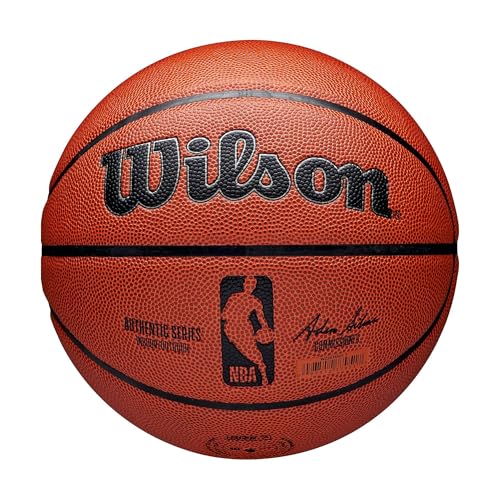
Wilson NBA Authentic Indoor/Outdoor Basketball - Brown, Size 7 - 29.5"
Durability and Weather Resistance

Durability and weather resistance are critical attributes for basketballs designed for both indoor and outdoor use, as they directly influence a player’s ability to perform effectively in varying environmental conditions. High-quality basketballs incorporate durable materials, such as rubber or reinforced composite, which enhance longevity and withstand harsh surfaces like concrete. Furthermore, synthetic covers, including composite leather, offer moisture resistance, preventing damage from rain and temperature fluctuations. The inner bladder, constructed from butyl rubber, maintains air pressure and shape, ensuring consistent performance. Additionally, weather-resistant coatings are often applied to enhance UV protection and extend lifespan. Collectively, these features enable athletes to enjoy reliable performance, regardless of changing conditions or playing environments, thereby fostering engagement and camaraderie among enthusiasts. Moreover, moisture management features are essential for maintaining grip during wet conditions, thereby enhancing the overall gameplay experience.
Size and Weight Standards

When considering the appropriate basketball size and weight standards, it is essential to acknowledge that these parameters play a pivotal role in enhancing player performance and ensuring skill development across various age groups.
- Size Variations:
- Size 7 (29.5 inches, 22 oz): Men and boys aged 15+.
- Size 6 (28.5 inches, 20 oz): Women and girls 12+, boys 12-14.
- Size 5 (27.5 inches, 17 oz): Youth players aged 9-11.
- Size 4 (25.5 inches, 14 oz): Children aged 5-8.
- Age Appropriateness:
- Match ball weight to player strength to foster better handling, facilitating dribbling, passing, and shooting. The choice of rubber basketballs contributes to both indoor and outdoor play, ensuring versatility and durability.
Adhering to these size and weight standards is vital for maintaining competition integrity and promoting skill acquisition across varying levels of playing experience.
Playability and Performance
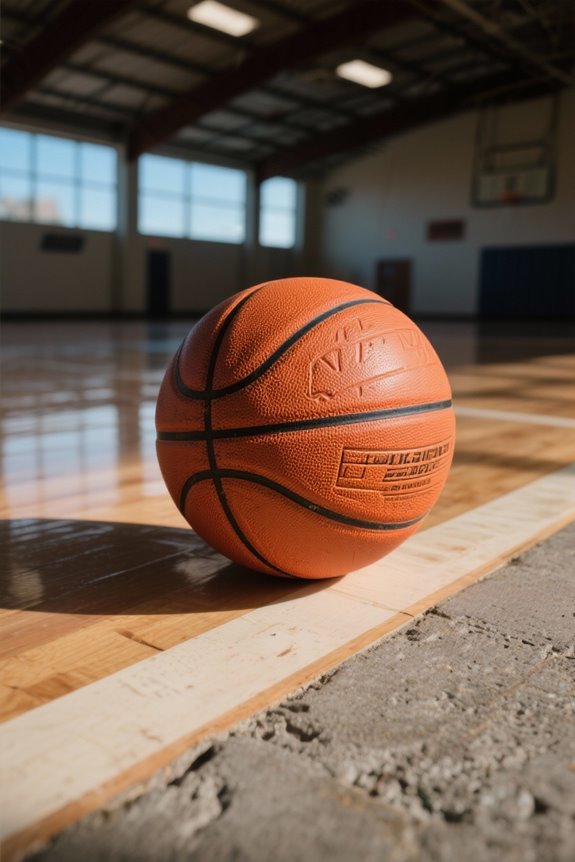
The interplay between playability and performance emerges as a significant factor influencing the overall effectiveness of a basketball during both indoor and outdoor gameplay. Indoor/outdoor basketballs, constructed from durable composite materials or synthetic rubber, provide an ideal blend of grip and bounce consistency, catering to diverse game strategies and shot techniques. The textured surface enhances ball handling, ensuring reliable control on both smooth hardwood and rough asphalt courts. Additionally, high-quality bladder materials maintain stable air retention, critical for consistent bounce behavior. In addition, resistance to moisture and temperature fluctuations enables effective performance regardless of environmental conditions, allowing players to execute precise dribbling and passing maneuvers. Consequently, the balance of playability and performance directly contributes to a unified basketball experience for all users. Moreover, the materials used in basketball net construction can also impact the overall playability, as durable nets facilitate smooth ball release during gameplay.
Maintenance and Cost Considerations
Maintenance and cost considerations for basketballs, particularly those designed for dual-use in indoor and outdoor environments, encompass various essential factors that directly influence their longevity and performance.
- Regular Cleaning: It is imperative to clean basketballs with a damp cloth and mild soap after each use to preserve surface integrity.
- Inflation and Storage: Maintaining proper inflation is fundamental, alongside adhering to storage guidelines that emphasize a climate-controlled environment to prevent material degradation.
- Material Selection: The choice of materials affects both durability and maintenance expenses; composite balls balance performance and longevity while preserving cost-effectiveness across multiple settings.
- Long-Term Costs: Ultimately, investing in quality indoor/outdoor basketballs minimizes overall expenditure by reducing the frequency of replacements and associated maintenance costs. Additionally, selecting a basketball with weather resistance features can enhance its durability in outdoor conditions.
Recommended Products

Wilson NBA Forge Indoor/Outdoor Basketball - Brown, Size 7 - 29.5"
Wilson Verified Indoor/Outdoor Basketball - Brown/Black, Size 6 - 28.5"
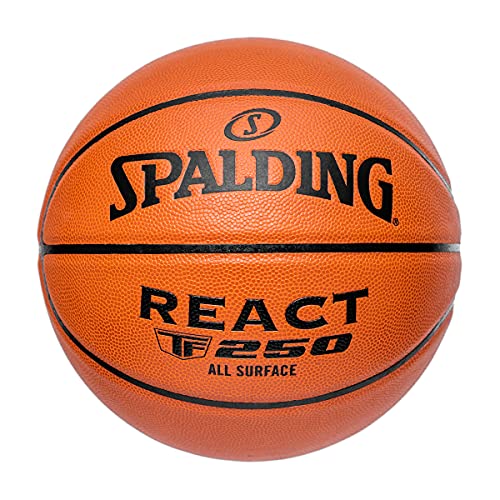
Official size and weight: Size 7, 29.5”
Frequently Asked Questions
How Do I Choose the Right Size Basketball for My Age?
Selecting the perfect basketball size is like finding the last piece of a magical puzzle. For youth, Size 5 suits ages 9-11, while Size 6 is recommended for those 12 and older, ensuring ideal play and confidence.
Can Indoor/Outdoor Balls Handle Extreme Weather Conditions?
Indoor/outdoor basketballs struggle with extreme weather conditions due to limitations in weather resistance and material durability. While they perform well in moderate climates, extreme temperatures can greatly affect their grip, bounce, and overall performance.
Are There Specific Brands Known for Dual-Use Basketballs?
Amidst the dribble of diverse courts, Spalding, Molten, Wilson, AND1, and Franklin Sports emerge as leading dual-use brands. Their distinct material differences enhance longevity and performance, ensuring players feel at home on any surface.
How Often Should I Replace My Basketball for Optimal Performance?
For ideal performance, basketballs should be replaced every 6 months to 3 years, depending on use. Following maintenance tips, like proper inflation and cleaning, can greatly extend their lifespan, enhancing the enjoyment of shared play experiences.
What Is the Importance of Proper Inflation for Basketballs?
Ironically, many overlook inflation techniques, yet proper inflation at ideal pressure guarantees consistent bounce and control. Without it, gameplay falters, illustrating how seemingly minor details can unify players through enhanced performance and shared experiences on the court.