As an Amazon Associate, we earn from qualifying purchases. Some links on this site are affiliate links at no extra cost to you. Our recommendations are based on thorough research and editorial judgment.


What Mental Strategies Help Basketball Players Perform Under Pressure?

Basketball players can enhance their performance under pressure through several mental strategies. Key techniques include developing self-efficacy, which involves confidence in one’s skills; utilizing visualization to mentally rehearse game scenarios; and harnessing positive self-talk for focus and motivation. Additionally, practicing mindfulness improves present-moment awareness, while maintaining focused attention aids concentration. Implementing effective pre-performance routines cultivates readiness and confidence. Collectively, these strategies foster not only immediate performance benefits but also long-term advantages, highlighting further insights into performance enhancement.
Key Takeaways
- Implement visualization techniques to mentally rehearse game situations, enhancing performance and reducing anxiety.
- Use positive self-talk to boost motivation, focus, and execution during high-pressure moments.
- Employ emotional regulation strategies, such as mindfulness, to maintain composure and present-moment awareness.
- Establish a pre-performance routine to improve concentration and minimize distractions before games.
- Seek strong social support from coaches and teammates to enhance resilience and cope with performance anxiety.
Understanding Self-Efficacy in Basketball Performance
You may be interested


Self-efficacy serves as a foundational construct in understanding performance dynamics within basketball, predicting how athletes approach challenges and leverage skills during competition. Defined as an individual’s belief in their ability to execute specific tasks, self-efficacy plays a critical role in skill execution and decision-making.
Key components influencing self-efficacy development include:
- Technical Skills Efficacy: Confidence in executing necessary basketball techniques.
- Thought Control Efficacy: Ability to manage thoughts during competition, enhancing focus.
- Resiliency Efficacy: The capacity to rebound from setbacks, fostering persistence.
Collective efficacy, the shared belief of team capabilities, greatly impacts group dynamics and overall performance outcomes, reinforcing how individual beliefs intertwine with team success. High self-efficacy not only correlates with better performance metrics but also fosters resilience under pressure. Moreover, effective basketball stats trackers can provide valuable insights into performance, helping athletes to build confidence and improve their skills over time.
The Role of Visualization Techniques

Visualization techniques serve as a powerful mental strategy that enhances athletic performance, particularly in basketball, where high-pressure situations demand both skill and composure. These visualization methods involve mentally rehearsing game scenarios, enabling players to engage their sensory perceptions such as sight, sound, and touch, consequently increasing their overall confidence and focus during competitions. Athletes who employ visual motor behavior rehearsal (VMBR) exhibit significant improvements; for instance, VMBR has shown a 12% increase in free throw accuracy, especially in challenging environments like away games. Additionally, structured imagery practice fosters a positive mindset, facilitating emotional regulation and reducing anxiety. Ultimately, these sensory-engaged visualization techniques not only strengthen technical skills but also enhance mental resilience, providing a thorough approach for athletes aiming to perform consistently under pressure. Moreover, incorporating effective arch support can further enhance comfort and stability, allowing players to focus on their performance without being distracted by physical discomfort.
Recommended Products

🍀【Package Included】Comes with 3 x gym padding for wall and 12 x Velcro. Each basketball wall padding is 2"x 20"x 72",total 30 sq ft.

3-in-1 Pro Training System: this agility ladder mat combines 3 training modes: speed ladder drills, dot drills, and reaction training. The middle ladder section helps build foot speed, rhythm, and coordination; the colored dots on both sides train foot control, reaction time, and lateral change of direction. The full mat is designed for continuous combination drills, ideal for basketball, soccer, football, general fitness training, and youth agility training

Premium Basketball Sticky Mat: enhances basketball athletic performance by improving shoe traction to get the ultimate court grip during gameplay.
Harnessing Positive Self-Talk

Harnessing positive self-talk represents an imperative mental strategy for enhancing basketball performance, as it aids athletes in optimizing their focus, motivation, and execution during both practice and competition. Self-talk techniques can be categorized into two primary types: motivational and instructional.
- Motivational Self-Talk: This enhances strength, endurance, and resilience, fostering a strong sense of intrinsic motivation and improving effort levels.
- Instructional Self-Talk: This strategy refines fine motor control and accuracy, particularly beneficial for shooting and passing tasks.
Studies indicate that increased positive self-talk can lead to greater emotional regulation, reduced competitive anxiety, and enhanced decision-making capabilities. Consequently, effectively employing these self-talk techniques catalyzes performance enhancement, ensuring athletes feel more competent and focused during critical game moments. Additionally, incorporating agility training equipment can further support skill development and boost confidence during high-pressure situations.
Recommended Products


Implementing Mindfulness Practices

How can the implementation of mindfulness practices greatly enhance basketball performance? Mindfulness techniques, such as short meditation sessions, have demonstrated notable benefits for athletes. Research indicates that a 15-minute mindfulness intervention can improve free-throw performance under pressure, showcasing its effectiveness in reducing sports competition anxiety. Additionally, a seven-week mindfulness program enhances players’ psychological coping abilities, acceptance, and attention levels, resulting in improved shooting statistics, with effects substantially higher than those in control groups. The mental benefits extend to alleviating mental fatigue, thereby sustaining tactical performance during games. Emphasizing individualized approaches, these mindfulness methods not only bolster mental resilience but also enhance overall well-being, fostering a sense of belonging among teammates, all underlined by evidence-based outcomes reflective of growing acceptance in sports training. Incorporating basketball training equipment into practice sessions can further support skill development and confidence-building in high-pressure situations.
Recommended Products


The Importance of Focused Attention

Focused attention serves as an essential element influencing basketball performance, with empirical research demonstrating its significant impact on various metrics of athletic proficiency. Attentional focus strategies, whether external or internal, have profound implications on performance consistency and execution accuracy.
- External Strategies involve concentrating on the effect of movements, enhancing free throw accuracy.
- Internal Strategies, like focusing on body mechanics, may hinder automatic control vital under pressure.
Effectively employing concentration cues and training techniques fosters selective attention, optimizing skill retention over time. Furthermore, maintaining consistent attentional focus during competition mitigates performance anxiety, ensuring a stable execution of skills in high-stress situations. Additionally, incorporating breathable basketball shoes can enhance comfort and support, allowing players to focus better on their performance. Consequently, focused attention is indispensable for aspiring players aiming to enhance their game performance and manage competitive pressure effectively.
Setting Realistic Process Goals
While athletes often aim for outcomes such as winning games or achieving personal bests, setting realistic process goals offers a more effective framework for enhancing basketball performance. These goals emphasize specific and controllable actions during gameplay, facilitating process goal formulation that prioritizes skill execution over results.
- Significant findings indicate that process goals have a large effect on sport performance (d= 1.36) and enhance self-efficacy (*d* = 1.11), thereby reducing pressure.
- By employing goal tracking techniques, athletes can focus on immediate tasks, mitigating anxiety that may disrupt execution.
- Additionally, breaking skills into component steps promotes consistent performance under pressure, making the learning experience both manageable and supportive for all players, from novices to elites. Furthermore, utilizing advanced training aids can significantly enhance skill development during practice sessions.
Avoiding Outcome-Based Pressure
The necessity of minimizing outcome-based pressure manifests as a pivotal element in the enhancement of basketball performance. Cognitive reframing serves as a fundamental technique that encourages athletes to treat games as routine activities—similar to casual park basketball—thus alleviating feelings of anxiety. By adopting the mindset that performance is merely “just the game,” players can view pressure as a challenge rather than a threat, focusing on present enjoyment.
Additionally, employing imagery techniques enhances pressure management, enabling athletes to visualize successful executions without fixating on final scores. Mindfulness practices, such as maintaining self-awareness during gameplay and using breathing techniques, help redirect attention to immediate tasks, ultimately reducing fixation on outcomes. Implementing these strategies fosters a resilient mental state, preparing players for high-pressure situations effectively.
Emotional Regulation Strategies
Emotional regulation strategies are frequently essential to optimizing basketball performance, as they empower athletes to manage their emotions effectively during high-pressure situations. Implementing emotional regulation techniques, such as mindfulness practices, enables players to enhance present-moment awareness, reduce anxiety, and improve focus, ultimately leading to better decision-making and increased resilience. Additionally, cognitive restructuring strategies, which involve reframing negative thoughts, promote a constructive mindset that is important for emotional control. The use of self-talk, particularly motivational cues implemented during preparatory routines, automates these processes, allowing athletes to perform without getting distracted by emotions. Coaches play a significant role in nurturing a supportive environment, fostering emotional intelligence, and incorporating structured psychological skills training to elevate team dynamics and individual performance.
Techniques for Arousal Control
Arousal control techniques are integral to enhancing athletic performance, particularly in high-stakes environments such as competitive basketball, where maintaining a balanced emotional and physiological state can greatly influence outcomes.
Key methods include:
- Breathing Techniques: Slow, deep breathing from the diaphragm can considerably aid arousal management by reducing physical tension and promoting calm. Regular practice enhances the parasympathetic nervous system, fostering focus.
- Positive Self-Talk: Customizable affirmations can counteract anxiety, supporting emotional regulation, while imagery of successful performances further aids in mental preparedness.
- Progressive Muscle Relaxation: Alternating between tension and relaxation in muscles helps diminish overall bodily tension.
- Awareness and Self-Regulation: Self-monitoring psychological and somatic states enables proactive arousal control, allowing athletes to adjust strategies to maintain peak performance levels.
Building Mental Resilience
Building mental resilience is essential for athletes traversing the pressures of competitive environments, such as basketball, where performance may hinge on both physical skill and psychological fortitude. Key elements contributing to resilience building include:
- Mindfulness practices, which bolster present-moment awareness, aiding emotional regulation during high-pressure situations.
- Positive self-talk, which replaces negative narratives with affirmations, fostering self-confidence and motivation through adversity.
- Visualization techniques, enabling players to mentally rehearse success and reduce pre-game anxiety.
- Emotional regulation skills training, which teaches techniques like deep breathing to maintain poise under pressure.
- Supportive team environments that address psychological needs and enhance overall emotional strength.
Collectively, these strategies empower players, promoting enduring resilience while confronting the innate challenges of competitive basketball.
Developing Mental Toughness
Developing mental toughness is a critical aspect of an athlete’s preparation, particularly in the high-stakes environment of basketball, where psychological resilience often determines success on the court. Key strategies for resilience building include:
- Visualization Techniques: Athletes engage in mental rehearsal of success, enhancing composure and focus through vivid imagery of game scenarios, which can foster automatic skill execution.
- Positive Self-Talk: Employing affirmations transforms negative thoughts, thereby bolstering self-confidence and emotional control; studies indicate a strong correlation between self-talk and improved mental toughness.
- Structured Programs: Tailored mental training programs targeting emotional control and commitment exhibit measurable improvements in athletes’ mental toughness, indicating the importance of individualized approaches.
These methods collectively enhance athletes’ performance, enabling them to thrive under pressure while nurturing a supportive environment that fosters growth and belonging.
Simulated Practice for Confidence
Simulated practice for confidence plays an essential role in enhancing athletes’ performance, particularly in the context of basketball, where mental acuity and emotional resilience greatly impact outcomes during competitive play.
- Visualization Techniques: Utilizing visualization activates cognitive processes akin to actual gameplay, reinforcing confidence through mental rehearsal; it involves imagining successful scenarios, thereby enhancing emotional engagement.
- Replicating Game Conditions: Engaging in simulated environments mirrors real-game scenarios, helping athletes manage anxiety. Exposure to distractions during practice conditions players to perform under stress.
- Drill Focus: Confidence-building drills place emphasis on successful execution, fostering muscle memory and reducing fear of failure.
- Cognitive Strategies: Integrating techniques to reset the mind after mistakes cultivates resilience, while embracing failure as a learning opportunity enhances mental fortitude under pressure.
These elements collectively work towards effective confidence building in basketball athletes.
Recommended Products

IMPROVE ACCURACY: Utilize the PowerNet PowerNet Barrier Combo Soccer Goal to practice finding the upper and lower corners of the goal. Consistent practice with the soccer training equipment builds shot visualization and muscle memory
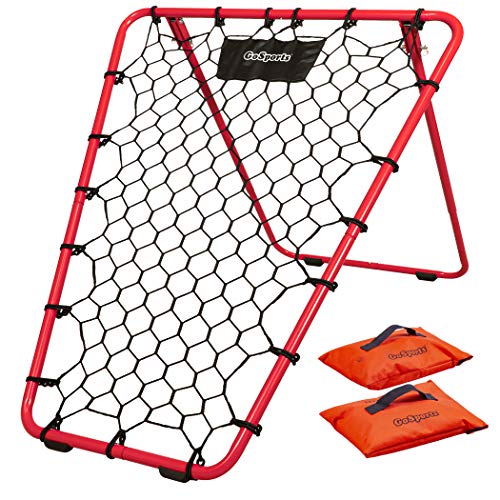
BASKETBALL REBOUNDER: Take basketball practice to the next level with this pass-back training aid! Set includes 1 foldable rebounder and 2 sand bags for added stability (sand not included)

PLAN AND DEMONSTRATE GAME STRATEGIES CLEARLY: Use the magnetic dry erase surface of this soccer coaching board to map out plays, tactics, and formations for your team; included player magnets represent athletes on the field, helping coaches clearly communicate positioning and movement during practices and games
The Power of Pre-Performance Routines
Pre-performance routines (PPRs) serve as essential frameworks that athletes utilize to enhance their mental and physical states prior to executing high-stakes performances. These routines incorporate both behavioral actions and mental strategies, effectively improving routine effectiveness. Research indicates that PPRs facilitate improved concentration, directing athletes’ attention to relevant cues, thereby minimizing distractions and performance anxiety. As observed in legends like Michael Jordan, specific rituals can bolster confidence and readiness through visualizations and focused actions. Incorporating relaxation techniques further aids emotional regulation, allowing athletes to achieve an excellent arousal state. Structured PPRs promote automaticity and consistency, considerably impacting performance outcomes across skill levels, consequently proving valuable across various competitive environments. Implementing effective PPRs can empower athletes to manage their performance under pressure.
Recommended Products

Fits all standard basketball goals / Weight: 8 lbs.

【Professional Grade Construction】Built basketball shot trainer with Net return attachment with heavy duty steel, weather resistant nets, and a rock solid baseto handle thousands of reps, season after season. The basketball shot trainer with Net return attachment is durable, reliable partner you need for serious skill development

Quick and Easy Setup: Transform any space into a basketball court with our basketball court marking stencil kit. It's perfect for driveways, home gyms, parks, and indoor facilities. Our versatile court marking kit ensures a professional-quality template for court markings wherever you play. It takes 15-20 minutes to lay out the cardboard stencil kit, then another 10-15 minutes to paint. Let dry for 30 minutes and your basketball court is ready to play on.
Coping Strategies for Performance Anxiety
How can athletes effectively manage the pervasive challenge of performance anxiety? Research indicates that incorporating social support can greatly enhance coping effectiveness. Various coping strategies identify two primary types:
- Problem-focused coping, which correlates with reduced anxiety levels, and
- Emotion-focused coping, often linked to heightened neuroticism.
Athletes who perceive anxiety as facilitative, rather than detrimental, often experience improved performance outcomes. Emotional and informational support from coaches and teammates fosters resilience, helping athletes navigate organizational stressors while bolstering their confidence.
Additionally, athletes exhibiting low coping self-efficacy frequently fixate on negative outcomes, impairing their ability to manage stress. Ultimately, fostering strong social connections within the sporting environment can empower athletes to confront performance anxiety more effectively, promoting overall well-being and success.
Long-Term Benefits of Mental Training
The long-term benefits of mental training in basketball encompass an extensive set of psychological, cognitive, motivational, and social advantages that contribute greatly to both athletic performance and overall well-being.
- Psychological Resilience: Players experience enhanced self-esteem and mental toughness, leading to effective stress reduction and emotional well-being.
- Cognitive Enhancement: Continuous engagement fosters improvements in executive functions, such as cognitive flexibility and inhibition control, allowing for better decision-making under pressure.
- Intrinsic Motivation: Fulfillment of psychological needs encourages long-term commitment and reduces burnout, promoting sustained focus on personal mastery goals.
- Social Interaction: Regular participation nurtures critical social skills, fostering a strong support network and reducing feelings of loneliness, thereby enhancing emotional stability.
Ultimately, integrating mental training cultivates mental adaptability and enriches the overall basketball experience.
Frequently Asked Questions
How Can Teammates Help Each Other Build Confidence?
Teammates build confidence through team bonding and positive reinforcement. By celebrating achievements, offering constructive feedback, and fostering supportive communication, they create an environment where each individual feels valued, enhancing self-belief and performance collectively.
What Role Does Nutrition Play in Mental Performance?
Nutrition plays an essential role in mental performance by emphasizing hydration strategies and nutrient timing. Together, they enhance focus and skill execution, fostering a sense of belonging within the team dynamic and boosting confidence during pressure situations.
How Does Mental Training Differ Among Various Basketball Leagues?
Mental training varies greatly across leagues, with professional environments offering advanced pressure management strategies through dedicated resources. In contrast, youth and amateur leagues emphasize fundamental skills, often lacking in structured mental resilience programs essential for competitive performance.
Can Mental Strategies Be Integrated With Physical Training Routines?
Integrating mental drills with physical training routines can transform players into unstoppable forces. Visualization techniques enhance focus and confidence, creating a unified approach that fosters teamwork and camaraderie, essential for collective success on the basketball court.
How Long Does It Take to See Results From Mental Training?
Results from mental training typically emerge within a performance timeline of 2 to 4 weeks, enhancing mental resilience and focus. Continued commitment over 6 to 8 weeks yields significant improvements, promoting both player confidence and competitive success.


