As an Amazon Associate, we earn from qualifying purchases. Some links on this site are affiliate links at no extra cost to you. Our recommendations are based on thorough research and editorial judgment.


Which Basketball Positions Best Suit Different Player Types?

Different basketball positions align with distinct player types, reflecting unique skill sets. Point guards excel in leadership and ball handling, initiating plays efficiently. Shooting guards prioritize scoring and off-ball movement, while small forwards demonstrate versatility in scoring and rebounding. Power forwards balance strength and agility, securing rebounds and executing post moves. The flexibility of combo guards enhances playmaking and scoring. Additionally, role adaptability, exemplified by point forwards and swingmen, illustrates modern basketball’s evolving dynamics. Further examination reveals additional nuances.
Key Takeaways
- Shooting Guards (SGs) excel in scoring from long range and are best suited for roles emphasizing shooting efficiency and off-ball movement.
- Small Forwards (SFs) provide versatility, able to adapt between scoring, passing, and rebounding, making them ideal for dynamic gameplay.
- Power Forwards (PFs) combine strength with agility, excelling in rebounding and mid-range shooting, suitable for players who balance inside and outside play.
- Centers (Cs) are best for taller players focused on post skills, shot-blocking, and rebounding, anchoring the team near the basket.
- Hybrid Players, like combo guards and stretch forwards, thrive in fluid roles that demand skill versatility and adaptability across traditional positions.
Understanding Player Skill Sets
You may be interested


Understanding player skill sets is crucial for evaluating and constructing effective basketball teams, as each position on the court requires a distinct combination of physical attributes and technical abilities that align with specific roles in the game. Skill assessment begins with recognizing how players excel in various areas.
- Shooting Guards (SGs) prioritize long-range shooting and off-ball movement.
- Small Forwards (SFs) contribute versatility, combining scoring, passing, and rebounding skills.
- Power Forwards (PFs) emphasize strength and rebounding, balancing inside play with agility.
- Centers (Cs) anchor the defense and offense through post skills, shot-blocking, and rebounding.
Prioritizing player development involves tailoring training to enhance these skills, ensuring that athletes perform effectively within their designated roles on the court. Additionally, understanding the importance of effective arch support can significantly aid players in maintaining comfort during rigorous training and games.
The Role of a Point Guard

The intricacies of a point guard’s role within a basketball team epitomize the complex interplay of leadership, strategy, and skill execution required for successful gameplay. Point guards serve as the team’s floor general, managing offensive tempo, making real-time decisions, and ensuring cohesive teamwork. Their leadership qualities are crucial, as they interpret the coach’s strategy and convey it during play.
Furthermore, proficient ball handling and exceptional court vision are essential for maneuvering through defenses and initiating plays. By employing various passing techniques, point guards create scoring opportunities while minimizing turnovers. Defensively, they challenge the opposing team’s primary ball-handler, applying pressure and communicating coverage adjustments. Ultimately, their decision-making dynamics greatly impact both offensive flow and defensive stability. Additionally, their ability to manage offensive tempo directly influences team performance and can determine the outcome of critical games.
Recommended Products

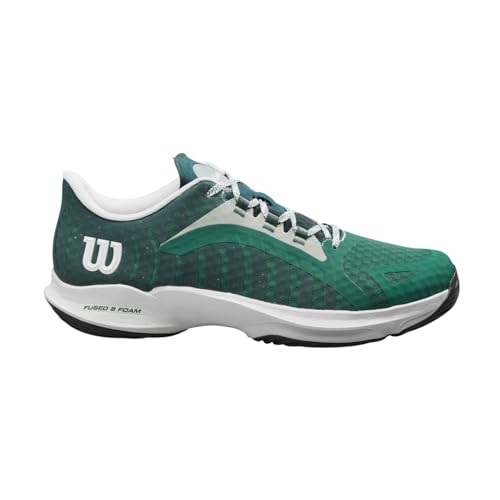
Traditional Fit: Provides ultimate blend of support, stability, durability, and cushion with every step

6360-2192-482 Fits: S&W M&P 9mm, . 40 & M&P 2. 0 . 40, with light
Characteristics of an Ideal Shooting Guard

While various positions in basketball require distinct skill sets and responsibilities, the characteristics of an ideal shooting guard combine both athletic prowess and strategic acumen, establishing this player type as a key offensive asset within a team framework.
An effective shooting guard must exhibit high scoring efficiency, leveraging exceptional shooting mechanics and diverse shot creation abilities. This player should have game awareness and player instincts, allowing them to dynamically read defenses and exploit openings. Defensive versatility is equally essential, enabling the shooting guard to guard multiple positions while maintaining effective perimeter defense. Furthermore, an ideal shooting guard must possess conditioning and quick decision-making ability, ensuring they can adapt under pressure and contribute considerably at both ends of the court. Regular practice with basketball training equipment can significantly enhance a shooting guard’s skills and overall performance.
Recommended Products

🏀【Dual - mode Power Supply】:Our electric basketball rebounder machine features a dual - mode power supply. Whether you prefer using it as a charging - enabled basketball training equipment or plugging it in, it offers great flexibility.

No More Chasing Rebounds - IC3 rebounder net catches and returns both made and missed shots

REBOUNDS BALL BACK INTO COURT – Defensive Net System that Keeps Balls in the Court
Small Forward Versatility

Small forwards’ versatility positions them as vital contributors within a basketball team, effectively blending the roles of both guards and forwards to facilitate dynamic gameplay. Demonstrating a unique set of small forward skills, these players excel in scoring, passing, and defending, allowing them to adapt to various small forward matchups.
Heightened athleticism, typically ranging from 6’6″ to 6’9″, enables small forwards to exploit defensive weaknesses, employing speed and agility to penetrate defenses while being competent in rebounding. Additionally, their ability to defend multiple positions enhances their defensive impact, allowing for seamless switching against opponents. Fundamental to offensive strategies, small forwards stretch the floor with consistent shooting and effective playmaking, exemplifying a key all-around presence for their teams. In addition to their skills, the right basketball net materials can enhance gameplay by providing durability and performance during practices and games.
Recommended Products

🏆 MULTI-GAME: The RACK Luxor 7.5-Foot 4-in-1 swivel table combines pool, table tennis, air hockey, and dining in one compact design, perfect for family & friends’ activities.

DOUBLE THE FUN WITH TWO BASKETBALL HOOPS: Take your trampoline experience to the next level with two basketball hoops. Perfect for friendly competitions, improving your shooting skills, or simply having a blast while jumping with friends and family.

【Patented No-Gap Design】Zupapa's patented No-Gap Design (Patent No. 2022230865778) seamlessly connects the safety net to the jumping mat, eliminating dangerous gaps. This innovative design allows children to safely perform gymnastic stunts like flips and backflips. Plus, the hassle-free assembly saves you 30 minutes on setup by eliminating net-securing ropes.
Power Forward Responsibilities

Power forwards serve as essential components within basketball teams, tasked with a diverse array of responsibilities that encompass both offensive and defensive roles. Their primary duties include:
- Rebounding Strategies: Power forwards excel in securing both offensive and defensive rebounds, utilizing their height, strength, and agility. They box out opponents effectively, transforming defensive stops into offensive opportunities.
- Scoring Techniques: Offensively, power forwards utilize post-moves and often participate in pick-and-roll scenarios, while also extending their range to mid-range and three-point shots. This versatility aids in maintaining spacing on the floor.
- Defensive Duties: On defense, they guard opposing big men, defend the rim, and must adapt to switching onto quicker players when needed, emphasizing the significance of defensive versatility in modern basketball. Additionally, incorporating specialized basketball training tools can enhance their performance and overall skill development on the court.
Recommended Products

SHATTERPROOF 52 IN BACKBOARD: 52 in. steel framed polycarbonate surface provides strength for competitive play. Designed for an inground basketball hoop 52 in. system that handles outdoor training and games.

Multi-Sport & Therapy Approved Used by professionals in soccer, basketball, boxing, and physical therapy, BlazePod makes training fun, fast, and measurable. Improve focus, speed, and cognitive agility across any discipline.

Multi-Sport & Therapy Approved Used by professionals in soccer, basketball, boxing, and physical therapy, BlazePod makes training fun, fast, and measurable. Improve focus, speed, and cognitive agility across any discipline.
Center Dominance in the Paint
Center dominance in the paint is fundamentally characterized by a player’s physical attributes and their strategic role within the game. Typically the tallest players, centers, often measuring around 7 feet in the NBA, boast significant strength, enabling them to excel near the basket. Their primary responsibilities include:
- Rim Protection: Centers protect the rim, effectively blocking high-percentage shots and deterring opponents’ drives.
- Scoring Efficiency: With offensive versatility, centers like Nikola Jokić demonstrate skills beyond traditional post scoring, incorporating mid-range and playmaking abilities.
- Defensive Rebounding: Securing defensive rebounds limits opponents’ second-chance points, contributing to overall team defense.
Statistical measures, including the “Center Efficiency” formula, evaluate contributions from scoring, rebounds, and blocks, underscoring the importance of a center’s dual impact on both offensive and defensive plays. Additionally, centers benefit from wearing shoes that provide exceptional stability and support, which enhances their performance on the court.
Recommended Products

Durable Construction: Crafted with a hard shell upper and reinforced with Foamposite, ensuring long-lasting wear and support

Honda Collaboration: Official Honda branding adds premium style to advanced protection gear.

Sport type: athletic handball
Evaluating Hybrid Player Types
The evolution of basketball has given rise to a variety of hybrid player types, which integrate skills and responsibilities across traditional positional boundaries. These hybrids offer significant hybrid benefits, contributing to both offensive versatility and defensive adaptability.
- Combo Guard: Merges playmaking and scoring, excelling at initiating plays while also shooting from the perimeter.
- Stretch Forward: Combines power forward traits with perimeter shooting, effectively stretching the floor and enhancing team spacing.
- Point Forward: Employs the ball-handling skills of a guard, confounding opponents and promoting strategic positional fluidity.
- Swingman: Balances perimeter scoring with defensive flexibility, serving as a crucial conduit between guards and forwards.
- Point Center: This emerging role positions centers to facilitate offense, highlighting the trend toward position-less basketball.
The Importance of Ball-Handling
Ball-handling serves as a fundamental aspect of basketball, directly influencing both offensive strategies and defensive capabilities. Players exhibit superior ball security, which correlates with reduced turnovers, consequently diminishing opponents’ scoring opportunities. Effective dribbling strategies foster offensive rhythm, enabling teams to control game tempo and enforce defensive adjustments.
Skill adaptability allows players to navigate diverse scenarios, enhancing pressure handling and maintaining composure under pressure in tight defenses. Mastery of ball-handling techniques, facilitated through structured training drills, establishes a foundational skill set for both individual performance and team dynamics.
In the context of game scenarios, players must demonstrate proficiency in dribbling phases and hand selection, recognizing that these components are essential for effective turnover management and offensive unpredictability.
Scoring vs. Facilitating: Point Guard Dynamics
How does a point guard balance the dual responsibilities of scoring and facilitating within the team’s offensive framework? Point guard responsibilities demand not only running the offense and executing plays but also strategically scoring when opportunities arise. Effective scoring strategies, such as shooting off screens or penetrating defenses, enhance the point guard’s role as a scoring threat, ensuring defenses remain honest. The ability to read defenses in real-time is essential, allowing the point guard to make instant decisions on whether to pass or shoot. Furthermore, strong leadership qualities enable the point guard to orchestrate teammates’ movements, creating a cohesive offensive unit. Ultimately, the balance between facilitating and scoring is critical for maximizing team performance and enhancing overall game strategy.
The Evolution of the Stretch Four
While the role of the power forward has traditionally centered on rebounding and interior defense, the emergence of the stretch four has redefined positional expectations in modern basketball. This evolution began with early prototypes like Cliff Robinson and Derrick Coleman, who showcased perimeter shooting ability that challenged conventional power forward play. Influential figures such as Rashard Lewis further advanced the stretch four history through strategic floor spacing and pick-and-pop actions. In recent years, players like Dirk Nowitzki have popularized this position, distorting defensive schemes with their shooting range. Consequently, this shift decreased traditional rebounding roles among power forwards, as modern power forwards often prioritize offensive versatility and floor spacing, reshaping tactical approaches throughout the league.
Defensive Specialization in Basketball
The evolution of offensive roles in basketball, particularly with the advent of positions like the stretch four, has concurrently underscored the significance of defensive specialization within the sport. Defensive strategy now relies heavily on effective shot selection, where spatial control and player positioning are critical. Especially, positioning influences defensive alignment, often contributing to a three-point differential in scoring between skilled and less skilled defenders. Defensive metrics assess guarding efficiency, revealing insights into a player’s effectiveness, as improvements in defensive positioning can drastically reduce two-point shot probability. Situational defense underscores the importance of adapting techniques based on opponent tendencies, while versatility allows a defender to guard multiple roles, critical in today’s dynamic basketball landscape.
The Swingman Advantage
Strategic versatility stands as a defining characteristic of swingmen in basketball, enhancing both individual performance and team dynamics. Often termed as hybrid players, swingmen effectively bridge the gap between shooting guards and small forwards, showcasing swingman nuances that elevate their gameplay. With an ideal height between 6’4″ and 6’6″, they possess scoring capabilities, strong rebounding attributes, and multifaceted defensive skills. Their hybrid gameplay allows them to adapt offensively, whether creating their own shots or executing catch-and-shoot scenarios, while defensively they can switch assignments seamlessly, guarding both perimeter and post players. This versatility grants coaches greater lineup flexibility, enabling them to exploit mismatches and respond strategically to the ever-evolving dynamics of the game. Ultimately, the swingman advantage is pivotal for modern basketball teams.
The Rise of the Point Forward
How has the role of the point forward transformed the landscape of modern basketball strategies? The point forward evolution reflects a significant shift, as hybrid players combine forward size with playmaking responsibilities traditionally held by guards. This role facilitates offensive flow by allowing forwards to initiate plays, thereby alleviating primary ball-handlers from heavy playmaking duties. These players exhibit remarkable playmaking versatility, showcasing ball handling and passing skills comparable to guards while maintaining the ability to shoot effectively from various distances. Historically, icons like Larry Bird exemplified this role by prioritizing distribution over scoring. Today, teams leverage point forwards to enhance offensive fluidity, counter mismatches, and adapt strategies to maximize player strengths, all indicative of an evolving game where versatility reigns supreme.
Combo Guards: Balancing Playmaking and Scoring
Combining the playmaking acumen of a point guard with the scoring prowess of a shooting guard, combo guards occupy a distinctive niche within basketball rosters that emphasizes versatility and adaptability. These players typically stand between 6’3″ and 6’5″, allowing them to execute diverse scoring strategies while also fulfilling facilitating roles. Their dribbling skills create offensive opportunities, enabling effective drive-and-dish executions or isolation scoring.
Defensively, combo guards exhibit significant adaptability; they can guard multiple positions, leveraging their speed and agility for man-to-man defense. This dual capability allows teams to dynamically adjust matchups as needed, enhancing overall defensive effectiveness. Ultimately, successful combo guards balance their scoring and playmaking responsibilities, continually adapting to their team’s requirements to maximize their contributions on the court.
Adapting to Modern Basketball Trends
The evolution of basketball in recent years has shifted towards a more fluid and positionless style, where player versatility and adaptability are prioritized over traditional roles. This development emphasizes positionless play, necessitating modern adaptations in player development. Versatile training now focuses on cultivating skills across multiple positions, allowing players to excel in hybrid roles. Adaptations to defensive schemes require effective switching, demanding that athletes demonstrate lateral quickness and strength in various matchups. Additionally, scoring efficiency drives players to extend their shooting range, with rebounding strategies also evolving as guards increasingly participate in defensive boards. Collectively, these trends underline the importance of flexibility and multifaceted skill sets in the contemporary game, reshaping how basketball is played and understood at all levels.
Frequently Asked Questions
How Do Player Heights Impact Position Suitability in Basketball?
Height greatly impacts position suitability in basketball. Taller players gain advantages in traditional roles like centers and power forwards, while shorter players excel in agility-driven matchups as guards, highlighting the crucial interplay between height and position dynamics.
What Age Is Ideal for Specializing in a Specific Basketball Position?
The ideal age for specializing in a specific basketball position is typically around 13 to 14 years. This timing supports player development, considers age factors, and helps mitigate risks associated with early specialization in youth athletes.
Can a Player Switch Positions Effectively During Their Career?
Surprisingly, a player can indeed switch positions effectively throughout their career. Position flexibility opens doors for career changes, allowing players to adapt skills and thrive, despite the ironic challenge of mastering unfamiliar roles in team dynamics.
How Significant Is Teamwork in Determining Position Effectiveness?
Teamwork greatly influences position effectiveness, as strong team dynamics and collaboration skills enhance player performance. Cohesive efforts enable players to anticipate plays, support each other, and leverage individual strengths, fostering a sense of belonging within the team.
What Role Does Player Chemistry Play in Position Roles?
Player chemistry substantially influences position roles, enhancing team dynamics and enabling positional synergy. This mutual understanding fosters effective collaboration, allowing players to adapt their responsibilities fluidly, maximizing strengths and ensuring cohesive gameplay essential for success.


