As an Amazon Associate, we earn from qualifying purchases. Some links on this site are affiliate links at no extra cost to you. Our recommendations are based on thorough research and editorial judgment.


How Do Weather Conditions Affect Outdoor Basketball Performance?

Weather conditions considerably influence outdoor basketball performance through various physiological and environmental factors. Elevated temperatures can impair muscle function and endurance, while humidity adversely affects concentration and stamina. Wind influences shooting accuracy and movement stability. Heavy precipitation creates slippery surfaces, increasing injury risks. Additionally, altitude reduces blood oxygen saturation, impacting endurance. Effective hydration and tailored warm-up routines are essential for optimizing performance across different weather conditions. Explore further to understand specific strategies and equipment considerations for adverse conditions.
Key Takeaways
- Elevated temperatures impair muscle function and endurance, necessitating hydration and strategic warm-ups for optimal performance.
- High humidity hampers evaporative cooling, leading to decreased stamina, focus, and cardiovascular strain during play.
- Wind speed and direction affect shot trajectories, requiring athletes to adjust their shooting techniques for accuracy and stability.
- Wet surfaces from precipitation increase injury risks, while snow can render courts unplayable, emphasizing the need for effective drainage systems.
- Higher altitudes reduce blood oxygen saturation, increasing workload and affecting shooting precision, particularly during seasonal temperature fluctuations.
Impact of Elevated Temperatures on Performance
You may be interested


The impact of elevated temperatures on outdoor basketball performance is a multifaceted issue, largely characterized by physiological, cognitive, and environmental factors that collectively influence player effectiveness. Higher core body temperatures appreciably impair muscle function, particularly reducing endurance and precipitating a shift to anaerobic energy production, which lowers energy reserves. This physiological strain, coupled with decreased blood flow, impacts oxygen delivery to muscles. In addition, cognitive performance suffers, as elevated temperatures over 39°C slow reaction times by 10-15%, hindering decision-making abilities essential for on-court success. Additionally, proper temperature management and hydration are critical for performance optimization, as dehydration exacerbates fatigue, further decreasing overall effectiveness during gameplay, thereby emphasizing the importance of strategic warm-ups and acclimatization in hot conditions. Incorporating rest periods into training schedules is essential to ensure players can recover adequately during extreme heat conditions.
Effects of Humidity on Stamina and Concentration

Humidity greatly influences stamina and concentration during outdoor basketball activities, primarily through its effects on physiological responses and cognitive performance. The humidity effects on the body include impaired evaporative cooling, resulting in increased core temperatures that shift energy metabolism from aerobic to anaerobic pathways. Consequently, this change reduces muscle endurance and accelerates fatigue.
Moreover, heightened humidity greatly challenges cognitive function; thermal discomfort and dehydration impair decision-making abilities and focus, which are essential for effective gameplay.
The cardiovascular strain caused by high humidity further complicates performance as blood flow is redistributed, limiting oxygen delivery to working muscles. As a result, players must navigate not only physical fatigue but also these cognitive challenges, emphasizing the importance of hydration and conditioning in humid settings. Additionally, proper footwear with advanced cushioning technology can help alleviate some of the physical stress placed on the body during such demanding conditions.
Wind Influence on Shooting and Movement

Wind conditions present a formidable challenge to outdoor basketball performance, greatly influencing both shooting accuracy and player mobility.
- Shooting Adjustments: Wind speed and direction considerably alter shot trajectories, compelling players to implement wind adjustments in their shooting techniques. A headwind may reduce shot distance, while a tailwind can lead to overshooting. Crosswinds introduce lateral drift, complicating accuracy.
- Movement and Stability: Players must also contend with wind resistance, which affects balance during jumps and shooting. Strong winds hinder quick directional changes, thereby impeding responsiveness. The exertion needed to maintain stability can accelerate fatigue. To cope, athletes often focus on form shooting and adjust their shooting arcs, enhancing their ability to adapt to variable wind conditions, ultimately improving outdoor play performance. Furthermore, using an outdoor basketball with moisture management features can help maintain grip in varying weather conditions, allowing for better control despite wind challenges.
Precipitation and Surface Conditions Challenges

Precipitation serves as a critical factor influencing outdoor basketball performance and court conditions, especially regarding playability and player safety. Heavy rainfall leads to wet, slippery surfaces that notably increase the risk of slips and falls, thereby resulting in greater injury potential. Additionally, snow accumulation renders outdoor courts unplayable due to decreased traction and danger of surface hazards. Proper court maintenance, including installation of effective drainage systems, is essential to mitigate water pooling. Continuous weather monitoring enables teams to adapt their strategies, prioritizing player resilience and performance adaptation. Utilizing synthetic court materials, known for their superior water resistance, can enhance durability and playability when faced with adverse weather, preserving the integrity of the playing surface during precipitation events. The use of shock-absorbing flooring tiles can further improve player safety by reducing impact stress during play.
The Role of Altitude in Athletic Performance

Altitude, which notably influences human physiological responses, plays an essential role in outdoor basketball performance by affecting various aspects of athletic capability. The physiological challenges presented by higher elevations, such as reduced blood oxygen saturation and increased cardiovascular strain, demand altitude acclimatization to optimize performance. Players at altitude experience heightened workloads, with a 25-30% increase in accelerations and decelerations, leading to greater metabolic demands. Additionally, the unique air pressure conditions enhance shooting mechanics, allowing for potentially longer shot trajectories but also complicating precision. Empirical data shows decreased free throw percentages and three-point shooting accuracy with increased elevation, underscoring the necessity for teams to adapt their strategies accordingly. Ultimately, altitude notably influences both physical endurance and shooting effectiveness during outdoor basketball competitions. Furthermore, adjustable height mechanisms in basketball hoops can help players practice their shots more effectively under varying altitude conditions.
Seasonal Temperature Fluctuations and Their Impact
Seasonal temperature fluctuations exert a significant influence on outdoor basketball performance, as variations in ambient temperature directly affect players’ physiological capabilities and overall game efficiency. During warmer seasons, elevated temperatures enhance neuromuscular performance, particularly improving sprint and jump metrics through effective temperature adaptations. Conversely, cooler weather reduces muscle flexibility and consequently impairs performance by affecting muscle stiffness and activation, necessitating longer pre-season training sessions to facilitate adaptation. This adjustment period is essential, as maintaining physical capacities throughout the competitive season becomes imperative. As the season progresses, players may encounter daily performance variations influenced not solely by temperature, but also by increased game density and travel demands, highlighting the intricate relationship between seasonal climate patterns and athletic output. Additionally, players with wide basketball shoes may experience improved comfort and performance during varying weather conditions, as these shoes are designed to accommodate changes in foot swelling due to temperature fluctuations.
Vitamin D and Its Importance for Outdoor Athletes
Vitamin D, often referred to as the “sunshine vitamin,” plays a vital role in the health and performance of outdoor athletes, particularly in relation to bone integrity and overall physiological functioning. Adequate vitamin D levels facilitate calcium absorption, essential for maintaining strong bones, thereby reducing the risk of stress fractures frequently encountered by athletes engaged in outdoor activities. Conversely, vitamin D deficiency correlates with increased inflammation and a compromised immune response, which can lead to higher injury risks and prolonged recovery times. Maintaining ideal blood levels, ideally above 75 nmol/L (preferably >100 nmol/L), is essential for enhancing overall athletic performance, particularly in outdoor environments where sunlight exposure may be limited, necessitating regular supplementation and dietary considerations.
Adapting Warm-Up Routines to Weather Changes
When adapting warm-up routines to varying weather conditions, it is essential to recognize that temperature fluctuations greatly influence athletic performance, particularly in outdoor sports like basketball. Weather adaptation demands warm-up customization to optimize player readiness.
In cold conditions, longer general warm-ups with light jogging and dynamic movements—such as high knees and butt kicks—are advised to elevate core temperature, while continuous dynamic activities help prevent cooling. Conversely, in hot weather, shortening warm-up duration and prioritizing low- to moderate-intensity dynamic stretches can mitigate fatigue and dehydration risks. Additionally, utilizing shaded areas during warm-ups not only reduces heat-related stress but also enhances performance by preparing the nervous system efficiently without undue exertion. Tailoring these routines based on weather metrics fosters an inclusive environment conducive to improved athletic performance.
Recommended Products

Stylish Sportswear Track suits: Lightweight, durable, breathable tech fabric wicks away sweat and keeps you cool and dry for all-day comfort.

Waterproof Fabric: iCreek lightweight waterproof rain pants featured waterproof fabric, fully seam-sealed and welded with TPU membrane to provide excellent Waterproof Rating: 5000mm

Hydration Strategies for High Heat and Humidity
In outdoor basketball, particularly under conditions characterized by high heat and humidity, maintaining ideal hydration becomes paramount for performance and player safety. Effective hydration timing is essential; athletes should aim to hydrate with at least 16 ounces of water 2-3 hours prior to play, supplemented with an additional 8 ounces 10-15 minutes beforehand. During gameplay, frequent hydration breaks are vital, especially for players experiencing high sweat rates. Incorporating electrolyte-containing beverages is advised to restore sodium and minerals lost through sweat. Post-exercise, rehydration should align with body weight loss to optimize recovery. Overall, a well-defined hydration strategy centered around fluid intake and maintaining electrolyte balance is essential for enhancing endurance and reducing the risk of heat-related illnesses.
Recommended Products

9-in-1 Electrolyte Tablets – Ca, Na, K, Cl, Mg, P with Himalayan Salt, Kelp & essential vitamins. Don't let dehydration hold you back! A comprehensive electrolytes tablets ensures your body stays replenished, maintaining optimal hydration levels during intense workouts, hot weather, and daily activities.

VENTURE PAL ELECTROLYTE CHEWABLE TABLETS: Introducing our newest innovation, the Chewable Bite-sized Fast-Melt Electrolyte Tablets that take effect almost immediately. Rich in essential electrolytes - sodium, magnesium, potassium, and calcium - they replenish vital electrolytes lost through sweating, helping to maintain hydration during daily exercise and endurance training, reduce heat stress, and alleviate leg cramps

Daily Electrolyte Support: Electrolytes play an important role in fluid balance, muscle function, and overall daily performance. Our hydration electrolyte tablets provide essential electrolytes including sodium, potassium, magnesium, calcium and chloride to help replenish fluids and minerals lost throughout the day, supporting peak daily performance, sustained energy, and recovery from intense workouts and travel
Safety Considerations in Extreme Weather Events
Safety considerations in extreme weather events are critical for the preservation of athlete welfare and the integrity of outdoor basketball activities, particularly given the unpredictable nature of weather patterns.
Lightning Safety
- Immediate suspension of activities is required upon any sighting of lightning or sound of thunder.
- The “flash-to-bang” interval should not exceed 30 seconds, triggering evacuation to designated safe zones.
- No resumption of play is allowed until 30 minutes after the last observation of lightning or thunder.
Wind Precautions
- Winds exceeding 65 km/h pose significant risks; consequently, activities should be suspended if these conditions arise.
- It is essential for officials to remain vigilant regarding sudden changes in wind that could impact safety.
Recommended Products
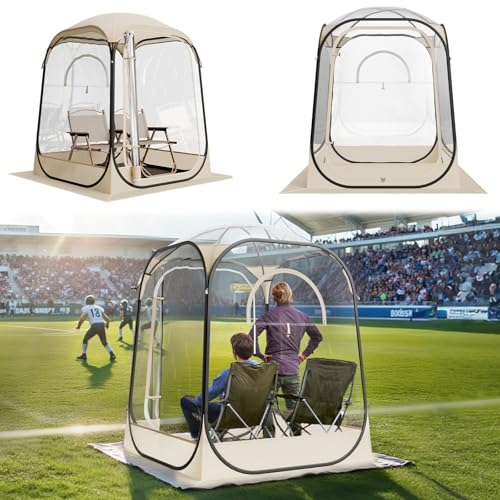
Sport Tent Pop Up Shelter with Instant Setup: Quick Pop-Up in Seconds: The clear sports tent features pop-up design that allows for easy setup in under a minute—no complex steps required, making outdoor camping more convenient. Note: This pop up tent is suitable for cool autumn and winter use, not recommended for hot weather. Note: Not recommended for use in heavy rain, strong winds, or snowstorms. Do not use in strong direct sunlight. Use with a portable cooler in summer.
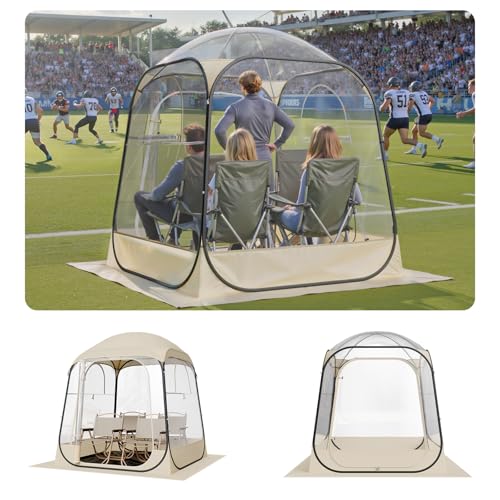
Pop-up Transparent Design: The clear sports tent features easy-to-use pop-up design allows for quick setup in just seconds. Our clear weather proof pod offers a bright and airy outdoor space to enjoy in no time. Note: This pop up tent is suitable for cool autumn and winter use, not recommended for hot weather. Note: Not recommended for use in heavy rain, strong winds, or snowstorms. Do not use in strong direct sunlight. Use with a portable cooler in summer.
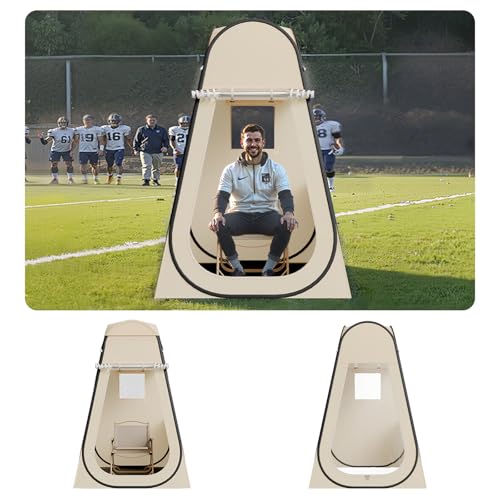
Sport Tent Pop Up Shelter with Quick Setup in Seconds: Featuring a spring steel frame design, this sports shelter requires no assembly—simply unfold and it’s ready to go! Unlike fiberglass poles that require setup, the spring steel frame allows for quick and effortless deployment, offering ultimate convenience. Note: Not recommended for use in heavy rain, strong winds, or snowstorms.
The Effect of Cold Weather on Muscle Performance
Cold weather markedly influences muscle performance, as physiological responses to low temperatures can drastically alter both strength and efficiency during physical activities such as outdoor basketball.
- Reduced Blood Flow: Cold exposure induces vasoconstriction, thereby narrowing blood vessels and limiting oxygen delivery, which is essential for peak cold muscle performance.
- Suboptimal Contractility: There is a significant decrease in muscle strength and contractile speed in colder conditions, resulting in impaired explosive movements and reduced neuromuscular responsiveness.
- Shivering Effects: Increased shivering leads to energy expenditure that diverts resources away from performance tasks, causing rapid fatigue and disrupted fine motor control, negatively affecting skills such as ball handling.
- Recovery Dynamics: While cold exposure helps with post-exercise recovery, it simultaneously hinders immediate performance, underscoring the importance of understanding temperature effects in outdoor basketball contexts.
Tactical Adjustments for Windy Conditions
Windy conditions present significant challenges for outdoor basketball players, necessitating tactical adjustments to maintain performance levels.
Adjusting Shooting Techniques
- Players should aim lower when shooting to counter wind resistance, enhancing accuracy.
- Increased shot power is essential when facing a headwind, while aim adjustments are vital for crosswinds.
Modifications in Ball Handling
- Emphasizing low dribbling techniques allows for better control amid gusts.
- Faster, frequent dribble moves can prevent wind interference during play.
Tactical Play Strategy
- Utilizing shorter, ground-level passes is advisable to minimize wind impact.
- Heightened communication tactics among players facilitate anticipating wind-driven ball deviations while employing screens can create closer shooting opportunities, mitigating the wind’s effects.
Implementing these wind resistance strategies promotes effective gameplay, ensuring players can adapt to challenging outdoor conditions.
Equipment Choices for Varying Weather Conditions
Outdoor basketball performance considerably hinges not only on players’ skills and adaptability to environmental conditions, such as wind, but also on the equipment used during play. Selecting appropriate equipment materials tailored to varying weather conditions is essential for enhancing performance and ensuring longevity.
- Backboards: Opt for polycarbonate and rust-resistant materials like stainless steel.
- Hoops: Utilize heavy-duty tubular or galvanized steel posts with stable anchoring systems.
- Basketballs: Choose all-weather options made from rubber or synthetic leather, complete with waterproof features for grip retention.
- Nets: Employ nylon or polyester nets treated for UV and mildew resistance.
Investing in all weather accessories not only maintains gameplay quality but also fosters an environment where players can thrive regardless of the climate.
Recommended Products

Ncaa Final Four Edition Basketball

Wilson NBA Authentic Series Basketball - Outdoor, Size 7 - 29.5"

Intermediate size and weight: Size 6, 28.5"
Strategies for Injury Prevention in Adverse Weather
Injury prevention strategies during adverse weather conditions are essential for ensuring player safety and sustaining performance levels. Implementing thorough hydration maintenance is vital; athletes should hydrate regularly, rather than waiting for thirst, to combat heat-related illnesses in hot conditions. Additionally, warm-up adjustments, including dynamic stretching, can prepare the body and reduce injury risks. Safety protocols must also be adhered to, such as inspecting outdoor courts for hazards and avoiding extreme weather play. Employing performance strategies, such as gradual conditioning post-inactivity and enforcing proper playing techniques, is fundamental for minimizing injuries. By recognizing these factors, players can better adapt to varying conditions and enhance their overall safety and performance on the court.
Recommended Products

Easy Drinking Without Tipping: Flip, bite, and sip straw system allows steady water flow for comfortable, one‑handed hydration

INSULATED SPORTS WATER BOTTLE: Goodbye sweat! The double wall insulation makes the Iron Flask sweat-free! It keeps your drink COLD for up to 24 hours, and HOT for up to 12 hours. *NOTE: ONLY the 14 Oz, 18 Oz, & 22 Oz fit in cupholders*

Motivational Time Marker: QLUR 32 oz Water Bottles as your daily partner is designed with motivational quotes by the hour, it keeps your daily water intake on track. The inspirational water bottle helps you stay hydrated throughout the day
Frequently Asked Questions
How Does Weather Impact Player Morale During Outdoor Games?
Weather profoundly impacts player morale during outdoor games; extreme conditions evoke fatigue and frustration, while moderate climates foster mental resilience and positivity. Emotional responses can shift unpredictably, influenced by environmental factors and team cohesion, shaping experiences.
What Role Does Visibility Play in Outdoor Basketball Performance?
Visibility greatly influences outdoor basketball performance. Ideal court lighting enhances players’ depth perception, while environmental distractions, like shadows and glare, can impair focus. Improved visibility fosters teamwork and coordination, creating a sense of community on the court.
How Do Players Adjust Their Communication in Different Weather Conditions?
Players adjust their communication by utilizing clear vocal cues and distinct hand signals to enhance understanding. They emphasize exaggerated gestures and repetition to guarantee effective interaction, fostering team cohesion and solidarity despite challenging weather conditions.
What Types of Footwear Are Best for Varying Outdoor Conditions?
Footwear best suited for varying outdoor conditions features durable materials for longevity and specific traction types that enhance grip. Players benefit from adaptable options, ensuring comfort and stability while fostering a sense of community on the court.
How Can Weather Affect Team Strategies During a Game?
As weather paints the court with its moods, teams dance accordingly. In sunshine’s warmth, offensive strategies flourish, while cool breezes prompt defensive adjustments; each element choreographs the game, guiding players toward harmony in their pursuit of victory.