As an Amazon Associate, we earn from qualifying purchases. Some links on this site are affiliate links at no extra cost to you. Our recommendations are based on thorough research and editorial judgment.


How Do You Fix A Basketball That Won’t Hold Air Properly?

To fix a basketball that does not hold air properly, one must systematically identify the issue by following several diagnostic steps. Initially, inspect for air leaks using a bubble identification technique, such as the water test method or acoustic analysis. Next, evaluate the valve area and check for surface damage, including punctures or abrasions. If leaks are found, consider using appropriate patch kits or replace the valve. Utilizing preventative maintenance practices can further extend the basketball’s longevity; further details are available.
Key Takeaways
- Identify air leaks using bubble identification techniques, such as submerging the ball in water to observe for escaping air bubbles.
- Inspect the valve area for cracks or degradation, ensuring proper installation to prevent further air loss.
- Use a patch repair kit for small punctures, applying adhesive and letting it cure for at least one hour.
- Consider sealants for slow leaks, inserted through the valve to provide quick fixes and prevent new leaks.
- If repairs are extensive, seek professional services for advanced assessments and repairs like valve replacements or bladder issues.
Identifying Air Leaks in the Basketball
You may be interested


Identifying air leaks in a basketball is an essential step in maintaining ideal performance and longevity, as even minor leaks can lead to significant issues in gameplay. Utilizing bubble identification techniques, one can effectively pinpoint leaks through various methods. The Water Test Method involves submerging the fully inflated basketball and observing for bubbles escaping, indicating air loss signs at specific leak locations. Alternatively, the Acoustic Test Method requires inflating the ball and listening for whistling sounds while rotating it, which signifies escaping air. Additionally, visual inspections for surface damage, including holes or abrasions, should be conducted, particularly at stress points like seams. Finally, checking for airflow or wetness with careful tactile examination can reveal hidden leaks not visible to the eye. Understanding moisture management features can also help in maintaining grip and performance in challenging conditions.
Inspecting the Valve Area for Common Issues

When examining the valve area of a basketball, it is essential to recognize that common issues often arise, which can considerably impact air retention. Regular valve inspection tips include evaluating for signs of rubber degradation, as dried-out valves lose elasticity and may lead to air leaks. Damage such as cracks in the valve core or stem may necessitate a complete valve assembly replacement, a straightforward repair achievable with commercially available kits. Additionally, improper insertion of inflation needles can inflict damage on the valve itself; therefore, using straight, undamaged pump needles is advisable. Implementing temporary fixes, like using rubber patches or lubricants, can enhance valve sealing and extend usability until a more permanent solution can be pursued amidst common valve problems. Moreover, considering the durability of materials used in the basketball construction can help in preventing future air retention issues.
Detecting Surface Punctures and Holes

How can one effectively detect surface punctures and holes on a basketball? Several techniques can be employed to guarantee thorough identification.
- Water Submersion Test: Submerge the basketball in a bucket of water, observing for air bubbles that indicate punctures.
- Acoustic Analysis: Inflate the basketball and listen closely for hissing sounds while rotating it; such noises signal escaping air.
- Visual Inspection: Under good lighting, look for cuts, abrasions, or foreign materials on the surface.
- Tactile Assessment: Run fingers over the surface to discern soft spots or unusual textures.
Attention should be given to areas prone to damage from repeated impacts, as these locations are more susceptible to small leaks or weaknesses. Engaging in these methods guarantees thorough bubble detection and enhances performance. Additionally, using a portable pump like the ETENWOLF P300 Plus Electric Ball Pump can help maintain optimal pressure levels during play.
Repairing Leaks in the Valve

Repairing leaks in a basketball valve necessitates a systematic approach, given that valve failure is a prevalent issue contributing to air loss. Common valve problems include minor cracks or loose fittings, which can lead to rapid deflation, impacting playability. To effectively address these issues, practitioners should follow specific valve maintenance tips. First, utilize a pick tool for valve removal, ensuring the old valve is extracted carefully to avoid damage. Clean the valve hole prior to inserting a new valve, ensuring a proper seal. Apply a lubricant to assist with installation and, if necessary, use sealants like super glue to enhance airtightness. Finally, test the valve by reinflating the basketball and monitoring for persistent leaks to verify the repair’s success. Regular maintenance of the valve, including checking for burrs or manufacturing flaws, can help prevent future leaks and ensure playability.
Recommended Products
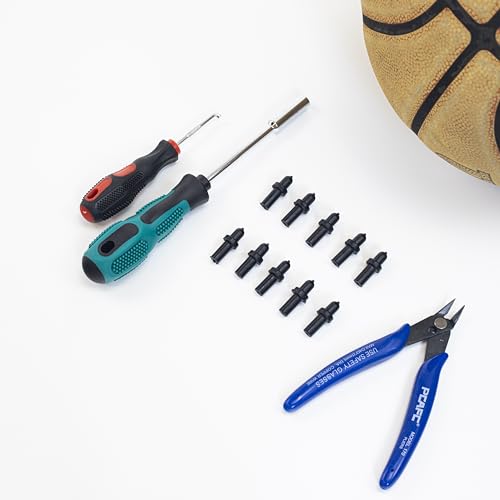
Leak-Free Assurance: Avoid frequent inflations with our repair kit's air leakage check. Eliminate bubbles from inflated balls by using our kit's easy-to-follow instructions.

1. High-quality air nozzle: Our air nozzle is made of high-quality natural rubber, soft and durable, black and white can be matched with different sports balls.

Leak-Free Assurance: Avoid frequent inflations with our repair kit's air leakage check. Eliminate bubbles from inflated balls by using our kit's easy-to-follow instructions.
Fixing Surface Damage With Patches

Surface damage on basketballs can greatly compromise performance, thus necessitating effective patching techniques to restore functionality. Repairing surface imperfections requires careful selection and application of patch materials. Commonly used options include:
- Acrylic patch binders, which offer flexibility and durability, often mixed with Portland cement and graded silica sand for enhanced strength.
- Fiberglass patches, suitable for larger cracks or complete overlay, are available in multiple sizes and are easy to install.
Effective surface preparation is paramount, involving debris removal, moisture control, and necessary cleaning of cracks. This guarantees proper adhesion of the selected patch material, allowing for ideal bonding and filling of voids. Additionally, ensuring that the basketball is made from high-density polyester can improve its longevity and performance. Ultimately, thorough execution of these techniques promotes longevity and playability, preserving the basketball’s functionality.
Safe Inflation Techniques Without Traditional Pumps
In situations where traditional pumps are unavailable, individuals must utilize alternative inflation techniques to restore a basketball’s air pressure effectively.
Mouth Inflation Technique
By creating a tight seal around the valve, users can inflate the ball using direct breath; however, this method is primarily suitable for minor deflations.
Compressed Air Canister Use
Utilizing a canned air duster, short bursts directed into the valve can offer a quick solution, though best for partially deflated balls.
Balloon Air Transfer Method
This technique involves inflating a balloon and transferring its air into the basketball via an airtight connection.
Straw Inflation Method
Inserting a straw into the valve enables slow, controlled inflation.
Repurposed Hand or Balloon Pumps
Adjusting non-traditional pumps provides an accessible alternative, albeit more time-consuming.
Additionally, maintaining the integrity of the ball is crucial, as durability of materials directly impacts its performance over time.
These air transfer methods serve as practical inflation alternatives in emergencies.
Recommended Products
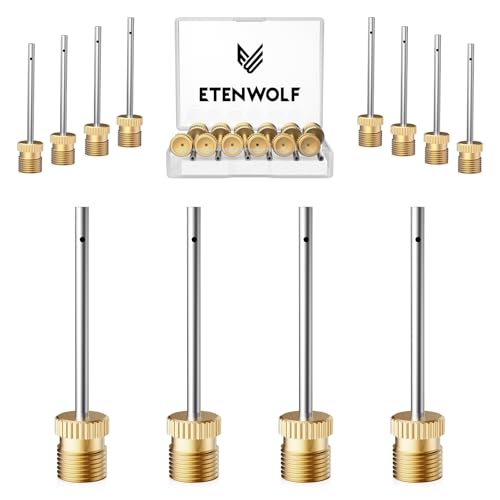
Premium Quality Material: Crafted from high-quality brass and stainless steel for exceptional durability.

Nice materials: the ball pump needles are made of stainless steel which is durable and can prevent itself from being bent or damaged so that the needles can serve you for a long time

Ball pump needles, for basketball, soccer ball, volleyball
Maintaining Optimal Air Pressure
Maintaining ideal air pressure is essential for preserving a basketball’s performance and longevity, with an appropriate inflation range typically falling between 7.5 and 8.5 PSI. Proper monitoring of air pressure guarantees that the ball maintains its shape, bounce, and overall functionality.
Factors influencing air pressure include environmental conditions, such as temperature and humidity, which can cause fluctuations. Regular checks are fundamental, as basketballs inherently lose air over time. Specialized pressure gauges provide accurate readings, allowing players to adjust air levels effectively.
Additionally, employing sound inflation techniques, particularly when shifting between indoor and outdoor play surfaces, enhances performance and training outcomes. Players should also verify valve cleanliness to prevent pressure loss and reinforce longevity through careful storage practices.
Utilizing Repair Kits and Products
Repairing a basketball that fails to retain air effectively demands the use of specialized repair kits and products designed to address common vulnerabilities such as small leaks and faulty valves.
- Patch Repair Kits: Typically include a metal scuffer, rubber cement, and various rubber patches, offering effective solutions for leaks under 1.5 inches in diameter. The repair process involves careful surface preparation, adhesive application, and patch placement, with a recommended curing time of one hour.
- Sealant Advantages: Tire sealants can also be used to address slow leaks by inserting them via an inflation needle, effectively sealing existing leaks and potentially self-healing new ones.
- Valve Replacement Kits: Provide tools for replacing damaged inflation valves, thereby expanding repair kit effectiveness beyond simple punctures to include wear and tear.
Professional Repair Options for Extensive Damage
For basketballs exhibiting extensive damage beyond the capabilities of standard repair kits, professional repair options offer a detailed solution that addresses significant issues impacting air retention and overall functionality. Repair service options involve complete assessments conducted by trained technicians who utilize diagnostic tools to identify punctures, valve damage, or bladder failures.
Advanced repair services include replacement of the internal bladder, valve replacement, and seam repairs using specialized adhesives. This process may also involve professional re-inflation with pressure testing to guarantee proper functionality.
Specialized equipment guarantees durable repairs and proper inflation, while replacement and upgrade options provide guidance on high-quality products. Adhering to professional guidelines guarantees that the repairs not only restore the basketball’s performance but also extend its lifespan through preventive measures.
Recommended Products

This is an upgrade to the plastic version

Premium replacement latex bladder for all double-end speed bags
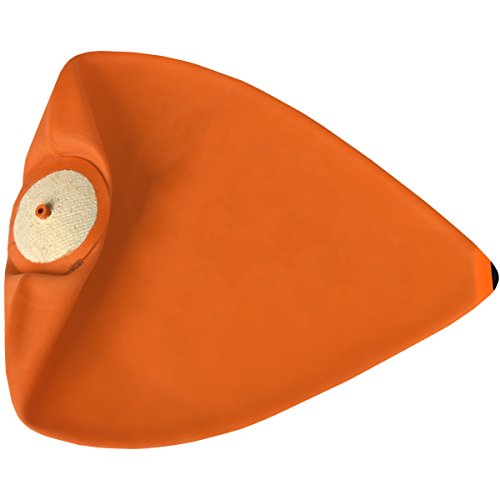
This is an upgrade to the plastic version
Preventative Measures to Extend Basketball Longevity
Ensuring the longevity of a basketball is fundamentally rooted in a combination of careful handling, appropriate storage, and systematic maintenance practices that collectively mitigate the risk of damage.
Storage Conditions
- Store basketballs in a cool, dry environment, away from direct sunlight and heavy objects.
- Maintain consistent indoor temperatures to prevent material expansion, ensuring ball integrity.
Cleaning Techniques
- Regularly clean surfaces with mild soap and water to eliminate dirt without damaging grip or material.
- For leather balls, apply conditioning products to prevent drying and cracking.
Proper Usage
- Use the correct basketball type for each playing surface and avoid exposure to extreme weather.
- Regularly check inflation pressure and inspect for leaks, promptly addressing any issues to preserve functionality.
Frequently Asked Questions
How Often Should I Check My Basketball for Air Leaks?
Regular checks for air leaks should occur before each practice or game. Consistent pressure maintenance guarantees peak performance, as even slight declines in inflation can affect bounce quality and handling, fostering a sense of belonging in team dynamics.
What Materials Are Best for Patching a Basketball Surface?
Adhesive options like acrylic patch binders and polymeric materials are ideal for basketball surface repairs. Effective repair techniques emphasize durability and traction, fostering player comfort and safety, thereby enhancing the overall experience of the sport community.
Can I Use Duct Tape to Fix a Basketball Leak?
Duct tape is ineffective for basketball leaks, as it lacks proper adhesion. Instead, consider duct tape alternatives like patch kits or gaffer’s tape, which offer better leak repair methods and guarantee a more reliable, long-lasting solution.
How Do Temperature Changes Affect My Basketball’s Air Pressure?
Like a balloon on a warm day, a basketball’s air pressure fluctuates with temperature changes. As temperatures rise, internal air pressure increases, while cold conditions cause pressure to drop, affecting performance and bounce.
What Signs Indicate My Basketball Is Nearing the End of Its Life?
Signs indicating a basketball’s nearing lifespan include performance decline indicators such as frequent air loss, surface wear, reduced bounce, and visible cracks. Recognizing these basketball lifespan signs fosters a sense of connection among avid players.


