As an Amazon Associate, we earn from qualifying purchases. Some links on this site are affiliate links at no extra cost to you. Our recommendations are based on thorough research and editorial judgment.


How Do You Prevent Your Portable Basketball Hoop From Tipping Over?

To prevent a portable basketball hoop from tipping over, it is essential to enhance base weight using sand or water fillings. Sand-filled bases provide superior stability due to density, while water-filled options allow for easy transport. Incorporating ground anchoring techniques, such as spiral anchors or ratchet straps, further secures the hoop. Additionally, choosing a level surface and maintaining steady adjustments to hoop height can mitigate wind impact, ensuring a consistent playing experience. Explore further strategies for ideal stability.
Key Takeaways
- Fill the base with sand or use water with additives for optimal weight distribution and stability.
- Secure the hoop with ground anchoring techniques like ratchet strap systems or spiral anchors.
- Regularly inspect for cracks, leaks, and structural integrity to maintain base weight effectiveness.
- Ensure the hoop is set on a flat surface and avoid uneven ground to minimize wobbling.
- Utilize diagonal bracing and consider using thicker poles for added structural support against tipping.
Understanding Base Weight Options
You may be interested


The stability of portable basketball hoops largely depends on the weight of their bases, which can be enhanced through various fill options. Base weight considerations are critical in ensuring that the hoop remains upright during gameplay. Heavy-duty bases, often designed to support significant weight from fillings such as sand or water, provide a sturdy foundation. For added stability, weight bag options can be utilized, allowing up to 100 pounds of sand to be placed on top of the base, effectively minimizing the risk of tipping. In addition, specific designs, such as a blow-molded base, can accommodate more than 200 pounds of water, ensuring a reliable and resilient structure. Ultimately, each choice affects overall portability and ease of maintenance, contributing to the hoop’s performance. Additionally, stability during play is influenced by base design and weight, which are crucial factors to consider when choosing a hoop.
Recommended Products

ULTIMATE STABILITY: Replaces up to 400 lbs of sand, just add water to create a firm gel that resists tipping and blowing over; Replicates the stability and function of sand & water, but is mess-free, and doesn't slosh like water for enhanced stability

【Universal Design】The basketball hoop sandbag measures 39.57x24.61x4.72in, fitting most portable basketball hoop bases perfectly to keep your hoop clean and tidy. (Note: The product does not include a basketball hoop, plastic base, or sand.)

BACKBOARD: 50 in. steel framed shatterproof backboard delivers the look of a pro basketball hoop. Clear surface supports consistent rebounds for driveway and backyard basketball court play.
The Benefits of Sand-Filled Bases

While considering the various options for filling portable basketball hoop bases, sand emerges as an advantageous choice due to its inherent density and weight characteristics. The use of sand filling greatly enhances stability, as sand’s density offers greater mass than water for the same volume, resulting in improved stability coefficients. This increased weight reduces the likelihood of tipping during gameplay, ultimately promoting user safety. Additionally, due to sand’s resistance to moisture-related issues like leaks or evaporation, it maintains consistent weight benefits over time. Moreover, sand-filled bases require minimal maintenance, as they typically do not necessitate refills. Consequently, for individuals seeking a reliable, durable, and secure basketball hoop experience, selecting a sand-filled base represents a superior choice. Furthermore, stability features such as integrated oversize bases also contribute to a more secure setup, enhancing the overall performance of the basketball hoop.
Recommended Products

MAXIMUM STABILITY: Stabilize basketball hoops, plastic sign bases, umbrella stands, volleyball nets, boxing equipment and more using the H2OLD Base Gel. This super absorbent polymer replaces sand or water used as a ballast weight. Combined with water, this powdered substance quickly turns into gel. The resulting firm and stable gel is freeze-thaw durable, making it perfect for use in any climate.

Universal Design: With dimensions of 39.38" x 25.99" x 5.12", this basketball hoop sandbag is designed to perfectly fit most portable basketball hoop bases, keeping your setup neat and tidy. (Note: The basketball hoop, plastic base, and sand are not included.)
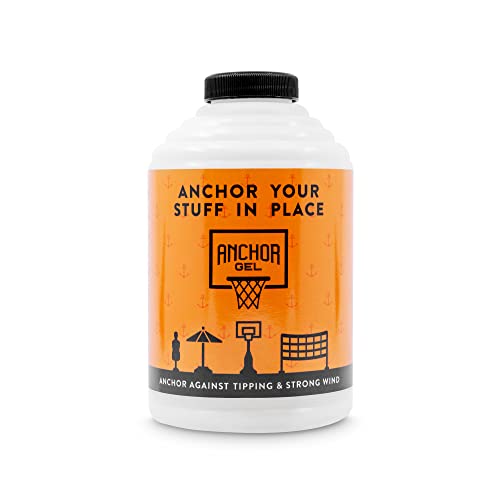
MAXIMIZE STABILITY: Use AnchorGel to protect basketball hoops, volleyball nets, patio furniture, fitness equipment, boxing heavy bags and MMA dummies against tipping and strong winds.
The Advantages of Water-Filled Bases

Water-filled bases present numerous advantages as a viable option for portable basketball hoop stability, affording an accessible and practical solution for users.
- Weight and Stability: While less dense than sand, water can provide substantial weight—often exceeding 200 pounds in certain models—ensuring stability during play.
- Filling Convenience: Filling and emptying a water-filled base is quick, enhancing portability and ease of moving the hoop. The absence of heavy lifting minimizes user strain.
- Environmental Benefits: Water serves as an environmentally friendly option, easily disposed of without waste concerns, unlike sand, which presents disposal issues.
- Enhanced Options: Mixing water with base gels improves stability, preventing sloshing and enhancing overall safety during use.
- Durability Considerations: Choosing a water-filled base can also contribute to maintaining the longevity of the hoop, as it prevents wear and tear from heavy materials like sand.
These attributes contribute to the water benefits associated with choosing water-filled bases.
Recommended Products
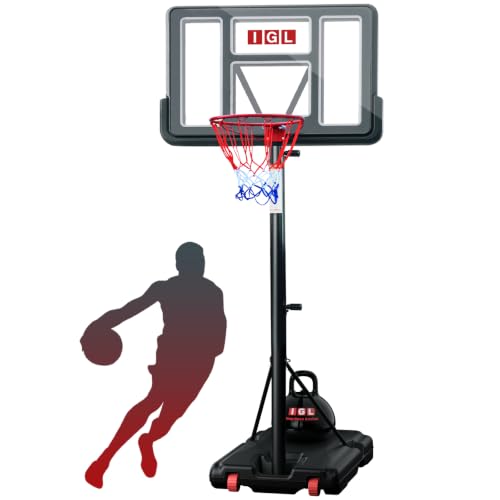
【Adjustable Height: 5.6-10 Feet】: The IGL adjustable basketball goal can be easily adjusted to 5 height levels. Use four rods for 8.0-10 feet and three rods for 5.6-7.6 feet (One more pole will make it more stable)
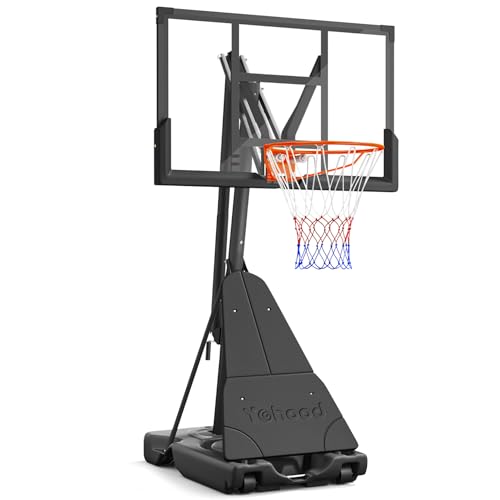
【Quick and Easy Adjustment】 Yohood basketball hoop offers a wide height range from 5.25ft to 10ft, catering to different age groups, which is good entertainments for kids, teenagers and adults. Simply rotate the handle on the back to choose the desired height, time-saving and effortless.

Ideal Basketball Hoops: The DUMOS Basketball Hoop is perfect for both indoor and outdoor use . It ' s a portable and adjustable system that can be utilized by different ages , with height adjustment from 6.1 feet to 10 feet , making it perfect for family fun
Maintaining Stability With Ground Anchoring

Maintaining stability with ground anchoring is essential for ensuring the safety and durability of portable basketball hoops, particularly during vigorous play or adverse weather conditions. Ground anchoring techniques provide a secure fixed point that notably reduces the risk of hoop tipping. By embedding anchors into soil or concrete, a strong foundation is formed, effectively resisting lateral forces. Properly installed systems, including spiral anchors or in-ground goal kits, prevent shifts that could compromise stability. It is advisable to follow hoop stability tips, such as using leverage tools for installation and regularly inspecting anchor hardware. Additionally, incorporating adjustable stability systems can further enhance safety and support stable gameplay. Ultimately, ground anchoring not only enhances performance conditions but also supports the long-term integrity of the hoop, allowing for safe, dynamic play experiences.
Recommended Products

Portable Hoop Anchor Kit: Heavy-duty steel spiral ground anchors and tie down straps provide stability against strong winds. Protects your portable basketball base, family, and property from dangerous tip-overs, safeguarding vehicles, structures, and pedestrians

COMPATIBLE WITH ALL GOALRILLA HOOP -Anchor System for All Goalrilla Goals

Material: Basketball goal anchor is made of high quality metal iron, strong and durable. Trampoline anchors have black coating on the surface, which has good anti-rust effect and prolonging its service life.The strap is made of polyester and is very strong. These heavy-duty trampoline anchors kits are designed to withstand bad weather, ensuring they remain stable in windy weather.
Effective Ground Anchoring Techniques

Effective ground anchoring techniques are essential in maximizing the stability and performance of portable basketball hoops. Various methods, such as screw-in ground anchors, provide secure hold by twisting deep into the soil, effectively preventing tipping. Additionally, ratchet strap systems work alongside ground anchors to pull and stabilize the base, minimizing movement during play and weather conditions. Bolt-down bases offer maximum stability through permanent installation, while hinge anchor systems utilize embedded steel fittings for enhanced resistance to forces. Incorporating these diverse approaches guarantees that the hoop maintains its intended functionality and safety. Overall, proper anchor installation is crucial to achieving peak stability within the context of portable design, effectively enhancing user experience while promoting safety during use. Utilizing high-quality, wear-resistant materials in the construction of the hoop can further enhance its stability and longevity.
Importance of Regular Base Maintenance
Regular base maintenance is essential for guaranteeing the stability and longevity of portable basketball hoops, as neglecting this aspect can lead to potential safety hazards and compromised performance. A diligent maintenance schedule should include routine base inspection, focusing on cracks, leaks, and overall damage that could impact the hoop’s stability. Additionally, timely repair of any minor issues and regular checks of base caps and seals guarantee that the fill material remains secure. The base surface should also be examined for levelness and debris that may affect balance. Adhering to these maintenance practices not only enhances safety during gameplay by mitigating risks associated with tipping but also helps prolong the hoop’s overall lifespan and functionality. Furthermore, ensuring the proper installation guidelines are followed can significantly contribute to the overall stability of the hoop.
Tips for Checking for Leaks
Conducting thorough checks for leaks in a portable basketball hoop’s base is essential for maintaining its stability, ensuring both safety and functionality. Regular visual inspections should focus on detecting visible cracks or seams where leaks often develop. Utilizing a flashlight can aid in identifying internal damage that may not be externally apparent.
Monitoring water or gel levels after heavy use will also provide early indications of potential leaks. Techniques such as dye tests and using soapy water can enhance moisture detection, revealing hidden seepage areas.
For effective leak repair, applying waterproof tapes or silicone-based caulks can serve as temporary fixes, while ongoing maintenance of the base, including proper filling techniques, will reduce risk in the long term, preserving overall performance.
Winter Care for Water-Filled Bases
Maintaining the integrity of a portable basketball hoop’s water-filled base during winter months is essential for guaranteeing ideal performance and longevity throughout the year. Various winter preparation techniques can considerably contribute to freeze damage prevention.
- Adding a gallon of non-toxic antifreeze before winter can help maintain the base’s integrity, minimizing the risk of cracking due to ice expansion.
- Alternatively, partially draining the base by retaining about 75% of the water helps create necessary expansion space, preventing stress from uneven freezing.
- Additionally, storing the hoop in a sheltered location or covering it with a tarp shields it from harsh elements, while adjusting the hoop’s height can mitigate wind-related risks.
Implementing these strategies guarantees peak functionality when winter shifts to spring.
Enhancing Stability With Additional Weight
Enhancing stability with additional weight is a critical consideration for portable basketball hoop owners seeking to minimize the risk of tipping during gameplay or adverse weather conditions. Adding universal weight bags, which typically hold between 100 to 200 pounds of sand, considerably increases base stability through effective weight distribution. Heavy-duty weights designed to conform securely to hoop bases not only enhance stability designs but also resist movement during play. Properly secured, weather-resistant weight materials contribute to long-lasting durability and safety, reducing tipping hazards. Furthermore, maintaining manufacturer guidelines is essential to prevent overloading, which may compromise the hoop’s integrity. By selecting appropriate weights and ensuring compatibility with various models, owners can effectively enhance hoop stability while preserving mobility.
Recommended Products

PERFECT FIT FOR MOST HOOPS: This basketball hoop sandbag measures 35.4 x 23.6 x 5.1 inches, designed to fit most standard portable basketball hoop bases. It adds essential weight to the base, making the basketball frame more stable and reducing the risk of tipping or collapse. (Note: Bag only, sand and hoop base not included.)

ONE HOOP FOR PRACTICE OR GAME DAY: Adjustable pole easily moves from 7.5 to 10 feet, making it ideal for younger players learning fundamentals as well as full regulation-style games for teens and adults

Universal Basketball Hoop Anchor & Stabilizer: This basketball hoop anchor fits most portable basketball frame bases. It strengthens stability by adding weight directly to the base, effectively reducing the risk of hoop collapse and potential property damage.
Balancing Weight Distribution
When considering the stability of a portable basketball hoop, a careful analysis of weight distribution becomes paramount, particularly regarding pole and base alignment. The design of the pole and base greatly impacts stability, with slanted poles effectively distributing dynamic weight across a robust steel chassis and frame. This structural integrity reduces the likelihood of tipping during use.
To optimize weight distribution, base designs should accommodate water or sand, strategically enhancing stability. Additionally, weight bags can be employed to augment the base, guaranteeing the center of gravity remains low. Importantly, reinforcement strategies that secure the pole through steel-on-steel connections can prevent uneven stress, minimizing tipping risks while allowing for fluid movement during gameplay. Consequently, thoughtful attention to design guarantees lasting stability and enjoyment.
Structural Adjustments for Hoop Stability
Structural adjustments play a critical role in enhancing the stability of portable basketball hoops, ensuring safety and optimizing performance during gameplay. Key modifications include:
- Pole Design Enhancements: Utilizing thicker, powder-coated steel poles minimizes flex and sway, while multi-piece designs with secure locking joints prevent wobbling. Reinforcing pole-to-base attachments with bolts strengthens stability at critical stress points.
- Backboard Reinforcement: Steel-framed or polycarbonate backboards effectively resist deformation when using heavy-duty fasteners for secure mounting. Additionally, incorporating vibration dampening pads between the backboard and pole mitigates excessive shaking during play.
- Overall Stability Features: The implementation of diagonal bracing and adjustable support arms further fortifies the structure against lateral forces, solidifying the hoop’s integrity and performance across varied conditions.
Moving Strategies for Portable Hoops
Successfully relocating a portable basketball hoop requires meticulous planning and adherence to specific protocols that prioritize safety and preservation of the unit’s integrity.
Preparation Before Moving
- Photograph the assembled hoop for reference during reassembly.
- Remove detachable parts like the backboard and rim to lighten the load.
- Use labeled bags to secure loose hardware.
Transport Strategies
- Utilize loading techniques that involve at least two individuals for moving heavy bases, especially sand-filled units, reducing the risk of injury.
- Maintain consistent support of the backboard to avoid joint stress.
- Avoid abrupt maneuvers during transport to prevent internal shifting.
Safety Protocols
- Keep bystanders at a safe distance during movement.
- Verify that no one is on or near the hoop’s base while in transit, ensuring maximum stability.
Choosing the Right Location for Stability
Choosing the appropriate location for a portable basketball hoop is vital for ensuring its stability and safety during use, as improper placement can lead to increased risk of tipping over or damage. Selecting an ideal surface, such as a flat concrete pad, promotes consistent contact between the hoop’s base and ground, reducing wobbling. Surfaces should also allow for adequate traction, avoiding slick materials that may increase sliding risk. Additionally, providing sufficient surrounding clearance is important; a clear zone of several feet avoids unintentional collisions with walls or objects, further supporting hoop stability. Careful consideration of surface flatness, clearance around the hoop, and material texture aids in achieving a secure and enjoyable basketball experience for all participants.
Mitigating Wind Impact on Your Hoop
How can one effectively mitigate the wind impact on a portable basketball hoop? Understanding wind patterns is vital for maintaining stability. Placing the hoop in areas shielded by protective barriers, such as walls or dense foliage, can divert wind flow and reduce tipping risks.
Utilizing solid filling materials, like base gel or sand, enhances weight and stability, though consideration must be given to mobility. For enhanced wind resistance, integrating ground anchors with the hoop’s base can remarkably decrease tipping susceptibility during strong gusts.
Regular inspection of the base for leaks or erosion, combined with the strategic positioning of the hoop relative to prevailing winds, further contributes to its stability, allowing users to enjoy the game with confidence in their hoop’s security.
Frequently Asked Questions
How Can I Tell if My Hoop Is Tipping During Play?
A player noticed their hoop swaying dangerously after a dunk, prompting immediate monitoring of movement. Implementing balancing techniques during play can markedly enhance stability, ensuring a safer experience for everyone involved on the court.
What Are the Best Surfaces for Placing a Portable Basketball Hoop?
The best outdoor surfaces for portable basketball hoops include concrete and asphalt, while indoor court surfaces should also be smooth and flat. These surfaces create a stable environment, promoting enjoyable play and a sense of community among players.
Can I Use My Hoop on a Driveway or Street?
Using a portable basketball hoop on a driveway is preferable for safety and stability. Proper hoop installation guarantees secure play, while streets pose risks that compromise basketball safety, making driveways the ideal choice for enjoyment and community engagement.
Will Extreme Temperatures Affect the Stability of My Hoop?
Extreme temperatures considerably impact the stability of portable basketball hoops. Weather effects, including freezing or heat-induced expansion, can weaken components, destabilize bases, and increase the risk of tipping, emphasizing the need for regular maintenance and protective measures.
How Do I Safely Relocate My Hoop Without Damaging It?
To guarantee safe hoop relocation, empty the base, use protective padding for delicate parts, utilize a dolly for transport, and enlist help for lifting. Following these hoop relocation tips minimizes the risk of damage during the move.


