As an Amazon Associate, we earn from qualifying purchases. Some links on this site are affiliate links at no extra cost to you. Our recommendations are based on thorough research and editorial judgment.


Why Do Indoor Basketballs Cost More Than Outdoor Versions?

Indoor basketballs command higher prices than outdoor versions for several reasons. Primarily, they are crafted from superior full-grain leather, enhancing grip and control, which necessitates intricate manufacturing techniques and rigorous quality control. Additionally, indoor balls require a break-in period, highlighting their performance specificity. In contrast, outdoor basketballs prioritize durability and affordability, accommodating casual players with materials designed for harsher conditions. Understanding these distinctions reveals the factors influencing pricing dynamics in the basketball market. Further exploration will uncover additional insights.
Key Takeaways
- Indoor basketballs are crafted from premium full-grain leather, enhancing grip and control, which increases production costs.
- The manufacturing process for indoor balls involves tighter quality control and skilled labor, leading to higher prices.
- Indoor basketballs require a break-in period for optimal performance, reflecting their premium material sourcing and craftsmanship.
- Brand positioning often elevates the perceived value of indoor basketballs, justifying their higher price point.
- Outdoor basketballs prioritize affordability and durability, with production processes that are more automated and cost-effective.
Material Composition and Quality
You may be interested


Understanding the material composition of indoor and outdoor basketballs is essential, as it directly influences performance, durability, and cost.
- Indoor Basketballs: Made primarily from full-grain leather, these basketballs excel in texture differences, providing softness that enhances grip and control on polished hardwood courts. However, they require a break-in period to achieve peak performance and can suffer damage if used outdoors due to abrasive surfaces.
- Outdoor Basketballs: Constructed from rubber or composite materials, outdoor basketballs prioritize material durability over tactile feedback. Their stiffer surfaces withstand rough environments but lack the same soft feel as leather. Consequently, while they may be less expensive to produce and maintain, they do sacrifice some grip and overall handling comfort. Additionally, mini basketballs are often made from softer materials, making them suitable for younger players.
The choice of materials greatly influences the overall experience for players.
Longevity and Environmental Considerations

Longevity and environmental considerations greatly influence the performance expectations and lifespan of both indoor and outdoor basketballs.
- Indoor basketballs, while offering superior grip and feel, experience rapid degradation when exposed to outdoor wear. Rough surfaces accelerate material breakdown, leading to a shorter lifespan.
- Conversely, outdoor basketballs are constructed from tougher rubber or composite materials designed to endure abrasive concrete and asphalt courts, thereby enhancing their durability.
- The smooth hardwood floors of indoor courts minimize abrasions, preserving the basketball’s surface integrity and extending its use.
- Additionally, controlled environments diminish exposure to moisture, UV rays, and temperature fluctuations, factors that greatly contribute to the degradation of materials used in indoor balls.
- Consequently, the environmental settings in which basketballs are used determine their longevity and overall performance reliability. Outdoor basketballs often feature moisture management technology to maintain grip during wet conditions, further enhancing their usability.
Recommended Products

Wilson NBA Authentic Series Basketball - Outdoor, Size 7 - 29.5"

PERFECT OUTDOOR BASKETBALL: This ball is made with a highly durable rubber covering to stand up to the rigors of outdoor basketball year after year

PLAY ON ANY SURFACE: Our pro-style basketball, with rubber composite cover, is designed to be used on indoor or outdoor courts. Suitable anywhere with a hoop and a net, this basketball for adults and youth will help you win the game
Pricing and Market Variability

Pricing and market variability in basketballs reflects a complex interplay among material quality, manufacturing processes, brand positioning, and consumer demand. Indoor basketballs generally command higher prices due to several factors, creating noticeable price divergence compared to outdoor versions.
- Material Quality: Indoor balls utilize premium materials like composite leather, which are costlier to produce.
- Manufacturing Processes: Tighter quality control standards and advanced internal constructions increase production expenses.
- Brand Positioning: Premium indoor models serve elite consumers, enhancing perceived value and justifying higher retail prices.
In contrast, market dynamics for outdoor basketballs favor affordability, with mass-market offerings appealing to casual players. Consequently, retailers often discount outdoor models, influencing overall pricing strategies within the basketball market. Additionally, the performance and durability of indoor basketballs often surpasses that of outdoor versions, further justifying their higher cost.
Performance Characteristics and Playing Experience

When considering the performance characteristics and playing experience of basketballs, one must recognize the substantial influence of both material composition and the playing environment. Indoor basketballs, typically made of full-grain leather, excel in performance metrics such as grip and control on smooth hardwood courts, facilitating player precision and enhancing skill development. In contrast, outdoor basketballs, constructed from durable rubber or composite materials, prioritize resilience and durability on rough surfaces, compromising some tactile experience.
Player preferences play an essential role; those seeking refined skills may favor indoor balls, while outdoor enthusiasts often appreciate the adaptability required on variable surfaces. As a result, the choice of basketball considerably impacts one’s playing experience and overall performance in differing environments. Additionally, investing in durable equipment can further enhance training effectiveness by improving skills across various playing surfaces.
Recommended Products

Ncaa Final Four Edition Basketball

Wilson Verified Indoor/Outdoor Basketball - Brown/Black, Size 7 - 29.5"
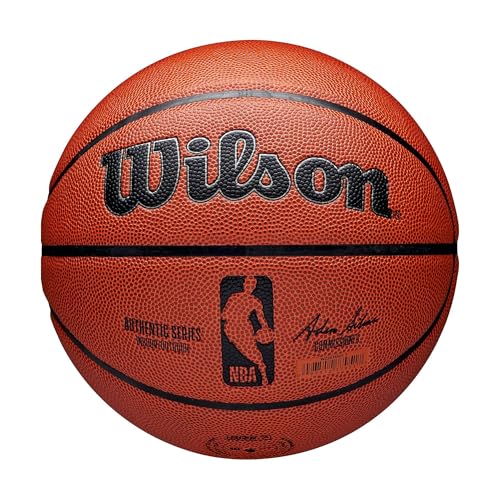
Wilson NBA Authentic Indoor/Outdoor Basketball - Brown, Size 7 - 29.5"
Manufacturing Processes and Labor Intensity

Manufacturing basketballs, particularly differentiating between indoor and outdoor varieties, highlights the complexities inherent in material selection and labor intensity, which can greatly affect production outcomes.
Indoor basketballs mainly utilize full-grain leather or refined composite materials, necessitating intricate manufacturing techniques that enhance durability and performance. These premium materials incur higher raw material costs, alongside increased labor costs due to the need for skilled workers capable of precise stitching and hand-finishing processes. Additionally, the labor-intensive breaking-in procedures elevate production time. Conversely, outdoor basketballs, typically made from molded rubber, benefit from automated processes that streamline production, thereby markedly reducing labor costs. Consequently, the amalgamation of superior materials and labor demands contributes to the elevated price point of indoor basketballs when compared to their outdoor counterparts. Moreover, the use of high-quality PU foam in indoor basketballs significantly enhances their grip and control, further justifying the higher costs associated with their production.
Trends in Basketball Use and Player Preferences
How have evolving player demographics and preferences shaped the landscape of basketball usage in recent years? The increase in basketball participation, particularly among women and youth, denotes a shift in player demographics that influences equipment demand.
- The anticipated growth of women’s basketball, projected to exceed $1 billion in revenue by 2026, reflects diverse player preferences for both indoor and outdoor styles.
- Urban professionals are increasingly drawn to compact indoor basketballs, while families focus on outdoor options suited for recreational play.
- Environmental conditions and surface differences notably affect player choices, with climate-controlled indoor spaces preferred for year-round activity.
- Emerging trends indicate a demand for eco-friendly materials, silent basketballs, and portable designs, suggesting that evolving marketing and community engagement strategies play a pivotal role in shaping player preferences. Additionally, the rise in popularity of multi-sport versatility has led to an increased interest in basketball bags that accommodate various athletic gear for diverse activities.
Recommended Products
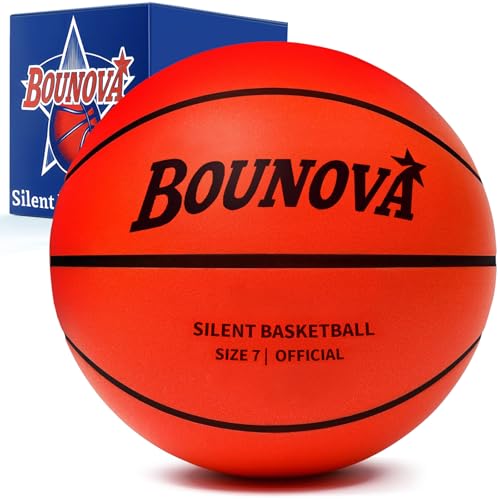
【Silent Basketball Size 7 | Professional Game Standard】 Stop practicing with lightweight, toy-like foam balls that ruin your shot. Bounova sets the industry standard, delivering a substantial 16 oz weight and 29.5" official circumference. It’s the closest you can get to a real basketball's feel while staying whisper-quiet—perfect for developing authentic muscle memory.
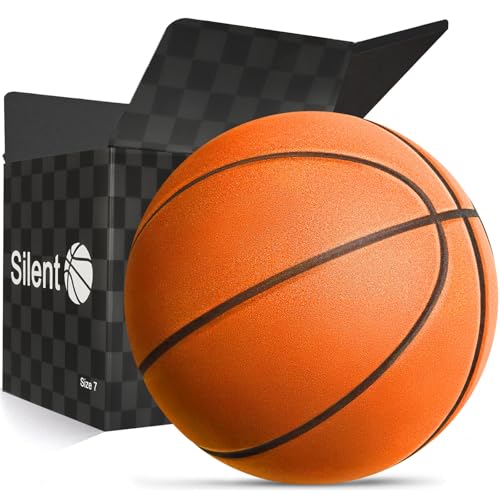
Ultra-Quiet Indoor Training: Our indoor basketball is only 43 decibels (quieter than a whisper)! Dribble indoors freely—no disturbance to family, roommates or neighbors. Soft foam protects floors/furniture, enabling safe, quiet play day or night, even in small spaces like apartments/dorms

MINI BASKETBALLS: These mini basketballs are 5" inches in diameter, which makes them perfect to use for almost any mini over the door basketball hoop set!
Frequently Asked Questions
Are Indoor Basketballs Suitable for All Skill Levels?
Indoor basketballs are suitable for all skill levels due to their specialized features, such as superior grip and controlled weight. These attributes enhance performance, making them ideal for both beginners and advanced players focused on skill development.
How Do I Properly Maintain My Indoor Basketball?
To properly maintain an indoor basketball, regularly implement cleaning techniques like wiping with a damp cloth and follow storage tips, such as keeping it indoors at room temperature, ensuring longevity and ideal play experience for enthusiasts.
Can Hybrid Balls Perform Well in Competitive Games?
Hybrid balls can perform well in competitive play, balancing grip and durability. Their design allows for consistent bounce and control, appealing to players seeking versatility across various court types while meeting official standards for competition.
What Are the Most Popular Indoor Basketball Brands?
The most popular indoor basketball brands include Spalding, Wilson, and Molten. These top indoor brands are renowned for their advanced grip, durability, and consistent performance, making them favorites among players seeking quality and reliability for superior gameplay.
Is There a Difference Between Youth and Adult Indoor Basketballs?
Youth indoor basketballs differ from adult versions in size differences and weight, aligning with youth preferences for easier handling. Designed to enhance skill development, these smaller balls cater to young players’ needs and physical capabilities.