As an Amazon Associate, we earn from qualifying purchases. Some links on this site are affiliate links at no extra cost to you. Our recommendations are based on thorough research and editorial judgment.


How Do You Choose The Right Basketball League For Your Skill Level?

Choosing the appropriate basketball league for one’s skill level involves evaluating several key factors. First, players should assess their skill classification, focusing on fundamental abilities such as shooting and passing. Additionally, league requirements vary by age, competition intensity, and practice frequency. Physical attributes, such as height and agility, also influence compatibility with specific leagues. Moreover, consistent attendance and quality coaching greatly impact player development. Understanding these dynamics is essential for effective league placement and progression in the sport. Further insights follow.
Key Takeaways
- Assess your skill level, categorizing yourself as Beginner, Intermediate, Advanced, or Elite to find a suitable league.
- Consider the league’s focus, whether it prioritizes foundational skills, tactical development, or competitive play, to match your goals.
- Evaluate your physical attributes, such as height and agility, to determine your fit within the league’s player requirements.
- Check league registration fees and practice frequency to ensure they align with your financial situation and availability.
- Attend practices regularly and be aware of coaching quality, as these factors significantly affect skill development and performance.
Understanding Skill Levels in Traditional Basketball Leagues
You may be interested


Understanding the various skill levels within traditional basketball leagues is essential for players seeking to identify their appropriate competitive environment, as skill categorization is more intricately linked to individual capabilities than to age or years of experience. Player evaluation focuses on fundamental skills—such as shooting, dribbling, and passing—rather than merely charting the length of participation. Players are classified into distinct groups such as Beginner, Intermediate, Advanced, and Elite. This categorization guarantees each player is grouped with others of similar capabilities, facilitating growth, confidence, and engagement. Proper skill level grouping mitigates the risks of intimidation or disengagement by providing tailored training environments that cater to each athlete’s unique competencies, thereby promoting effective development and sustained involvement in the sport. Additionally, many recreation centers offer age-specific leagues that accommodate different skill levels, ensuring a suitable match for all participants.
The Wheelchair Basketball Classification System

While examining the intricacies of the Wheelchair Basketball Classification System, it becomes evident that this structured approach is essential for ensuring competitive integrity and fairness within the sport. The classification importance lies in assigning players scores between 1.0 and 4.5 based on functional ability, with the lowest scores indicating greater impairment. Competitiveness is maintained by capping total points on the court at 14, which encourages a diverse blend of player functional profiles.
Player assessment is conducted by trained classifiers who evaluate medical documentation alongside physical capabilities. This approach emphasizes mobility and trunk control rather than medical history alone, ensuring an equitable playing field that promotes inclusion and competitive balance, thereby enhancing the overall experience for athletes in wheelchair basketball. Additionally, the use of durable materials in equipment design further supports athletes’ performance and safety during competitions.
Recommended Products

【Breathable Fabric】: Made of 100% Polyester, these men's tearaway pants are soft, cozy. The loose fit design makes them comfortable to wear in any season.

🏀BASKETBALL SHOOTING PRACTICE: Engrains follow through shot mechanics when shooting a basketball ; Triggers muscle memory to apply backspin to increase chances of basketball entering hoop

【Material】: Our tear away pants for men are made of 95% polyester, 5% spandex. soft and non-itchy fabric that feels really comfy on the skin. The mens tear away pants are made with stretchable material for extra comfort. Super soft and comfortable tear away pants that aren't too thick Very suitable for wearing in spring, summer, and autumn.
Matching League Level to Player Development Goals

Selecting an appropriate basketball league necessitates a careful examination of player development goals, as varying levels of competition profoundly influence the trajectory of skill advancement. The progression through league levels—from beginner to elite—should align with each player’s motivation and future aspirations.
- Recreational leagues serve to enhance foundational skills and foster enjoyment, ideal for novices.
- Intermediate leagues provide structure for skill refinement and competitive understanding, suitable for those with some experience.
- Advanced and elite leagues focus on tactical development and high-stakes competition, catering to athletes with significant backgrounds in organized play.
Ultimately, players should assess their current skills against league demands, ensuring a balance that promotes effective growth and sustained motivation without risking injury or frustration. Additionally, incorporating training equipment can significantly enhance practice sessions, leading to improved performance on the court.
Field Performance and Functional Classification Correlations

The correlation between functional classification and field performance in wheelchair basketball is critical for understanding how player capabilities influence competitive outcomes. Functional classification categorizes athletes into eight classes, from 1.0 to 4.5, based on their physical ability to perform essential basketball actions, including pushing, dribbling, shooting, and rebounding. Research indicates that higher classification often correlates with better performance in endurance tests, whereas characteristics such as short-term strength and agility show less consistent relationships across classifications. In addition, variations in performance metrics can stem from factors like injury type and wheelchair experience. Consequently, functional classification not only determines eligibility but also profoundly impacts on-court roles, influencing competitive balance and strategic team composition within leagues. Additionally, players can enhance their game performance by wearing high performance basketball shoes, which support their physical capabilities on the court.
Age and Educational Level as Criteria

Age and educational level serve as pivotal criteria in the organization of youth basketball leagues, shaping not only player eligibility but also the competitive landscape of the sport. Leagues typically employ age eligibility standards, organizing players into single-year age groups until approximately 13 years old, with strict adherence to established cutoff dates, such as August 31. At this juncture, grade classification becomes the primary determinant, aligning players with their academic standing as of specific dates, such as October 1. This measured approach not only promotes competitive fairness, ensuring players participate within their skill and maturity levels, but also adheres to participation standards that accommodate variations in regional educational systems. Such frameworks guarantee that leagues remain equitable and organized throughout players’ developmental phases, especially when considering the importance of training effectiveness in skill acquisition.
Additional Factors in Choosing the Right League
In addition to age and educational considerations, several other factors play a significant role in determining the most suitable basketball league for a player.
- Physical Attributes: A player’s height, weight, and agility influence selection, as taller athletes are often preferred.
- League Cost: Players must evaluate registration fees and associated costs to guarantee alignment with their financial situation, as higher-quality leagues may provide better resources.
- Practice Frequency: More competitive leagues typically require greater practice commitments, impacting a player’s development and availability.
- Team Dynamics: Understanding a league’s culture, competitive expectations, and emphasis on player adaptability greatly influences a player’s fit and success within the team.
- Role Fit: Selection is often influenced by position availability and a player’s ability to embrace team needs, fostering meaningful engagement and personal growth. Additionally, players should consider cushioning systems in their shoes, as effective cushioning can enhance performance during league activities.
Recommended Products

All-Game Comfort: Plush foam on the collar and tongue enhances the feeling of comfort around the ankle and over the top of the foot—areas where you want no distractions. It helps strike a sound balance between ground control when changing sudden direction and comfort when racing from one end of the floor to the other. The breathable mesh upper helps keep you contained.
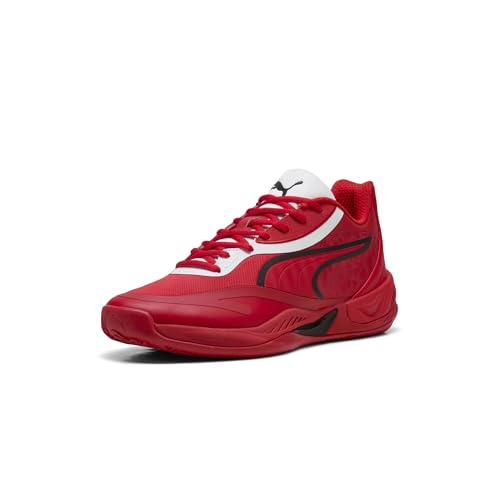
ENHANCED TECHNOLOGY: The All-Pro NITRO is the first basketball shoe to feature NITRO SQD foam: a soft, inner layer of NITRO foam for cushioning is combined with a harder, outer layer for multi-directional movement.

ENHANCED TECHNOLOGY: The All-Pro NITRO is the first basketball shoe to feature NITRO SQD foam: a soft, inner layer of NITRO foam for cushioning is combined with a harder, outer layer for multi-directional movement.
Assessing Your Commitment and Time Availability
How can players and their families effectively evaluate commitment and time availability when contemplating participation in a basketball league?
To make an informed decision, players should review their existing family schedules and other time obligations, such as school responsibilities and extracurricular activities. Beginner leagues typically demand 90 minutes each week for five weeks, while competitive leagues may require multiple sessions per week, including tournaments that can extend over weekends. Additionally, examining personal time management practices is essential, as consistent attendance is crucial for skill development. Families may prefer leagues that offer flexible scheduling options, which can help mitigate conflicts. Ultimately, careful alignment of basketball commitments with daily responsibilities guarantees enjoyable participation without overwhelming stress or burnout.
The Role of Coaching and Support Systems
Coaching and support systems play a pivotal role in shaping both team dynamics and individual player performance, particularly in the competitive environment of youth basketball. The coaching influence is significant, as effective coaches account for 20–30% of variation in a team’s performance outcomes. By fostering positive, motivational environments through supportive coaching styles, players experience increased engagement and reduced anxiety, leading to improved success. Structured support systems, such as mentorship and training programs, further enhance coaching efficacy, enabling the adoption of modern analytics tools that provide performance insights. This integrated approach not only tailors training to meet players’ needs but also cultivates a sense of belonging, ensuring players feel valued within their teams and supported in their developmental journeys.
Gathering Feedback and Adjusting League Placement
Effective league placement is essential for fostering player development and ensuring competitive integrity within youth basketball programs. To achieve this, thorough feedback mechanisms are employed, allowing for periodic assessments over multiple sessions to evaluate player skill progression. This structured approach includes:
- Continuous Performance Evaluation: Utilizing quantitative metrics such as shooting percentages and turnover margins to inform placement adjustments.
- Dynamic Regrouping: Facilitating reassignment based on weekly performance reviews, ensuring players are consistently matched with opponents of similar skill levels.
- Data-Driven Methodologies: Applying analytical clustering techniques minimizes bias and misplacement, promoting an equitable competitive environment.
Frequently Asked Questions
What Are the Registration Fees for Different Basketball Leagues?
Registration fees for basketball leagues vary considerably, with youth leagues typically costing between $50 and $600, while adult leagues range from $300 to $400. A league fee breakdown helps families make an informed registration price comparison.
How Can I Find Leagues Nearby?
To find local basketball leagues, one could visit community centers, which often list available programs. Online searches or league finder tools also reveal nearby options, fostering connections and a sense of belonging within the basketball community.
What Should I Wear for Game Day?
For game day essentials, players should wear matching sleeveless jerseys and shorts, prioritizing breathable materials. Outfit tips include ensuring proper footwear for support, coordinating socks for uniformity, and avoiding accessories that could compromise safety during the game.
Are There League Age Requirements or Exceptions?
In the domain of basketball, age exceptions and stringent eligibility criteria govern league participation. Players must navigate these rules to guarantee proper placement, balancing age and skill for a fulfilling experience within the community.
How Are Games Officiated in Different Leagues?
Officiation rules vary considerably between leagues, influencing game dynamics. Referee qualifications differ, with professional officials typically receiving more training and compensation, while college referees navigate diverse regulations, enhancing the unique atmosphere and sense of community within each level.


