As an Amazon Associate, we earn from qualifying purchases. Some links on this site are affiliate links at no extra cost to you. Our recommendations are based on thorough research and editorial judgment.


What Are The Pros And Cons Of Acrylic Vs Tempered Glass Backboards?

Acrylic backboards are lightweight, cost-effective, and resistant to shattering, making them safer for public settings; however, they are prone to yellowing and scratching, which impacts longevity. Conversely, tempered glass offers superior durability and aesthetic clarity, with enhanced performance characteristics due to its rigidity, though it is heavier and more costly initially. While acrylic may seem economical short-term, tempered glass often provides better long-term value through reduced maintenance and greater resistance to the elements. More insights on this comparison follow.
Key Takeaways
- Acrylic backboards are more impact resistant but may become less durable over time due to material fatigue.
- Tempered glass offers superior rigidity, providing predictable rebound angles for enhanced gameplay performance.
- Acrylic allows for better light transmission initially but is prone to yellowing and scratches, impacting aesthetics.
- Tempered glass has a higher initial cost but provides long-term reliability and lower maintenance needs.
- Unlike acrylic, tempered glass has an efficient recycling process, yielding a lower environmental impact over its lifespan.
Durability and Impact Resistance
You may be interested


When evaluating the durability and impact resistance of backboard materials, one must consider the inherent properties of acrylic and tempered glass, as each material presents distinct advantages and challenges. Acrylic, characterized by its plastic composition, exhibits superior impact resistance, making it less susceptible to shattering under forceful impact, such as those resulting from play or vandalism. In contrast, tempered glass, while stronger, has a higher likelihood of cracking or shattering upon intense impact. Flexibility issues arise with acrylic, as its inherent flexibility can lead to material fatigue over time, impacting its overall durability. However, its resistance to vandalism and safer nature upon damage enhances its usability in public environments. Ultimately, the choice between materials rests on the specific demands of the intended application. Additionally, impact-resistant backboards are crucial for maintaining safety during games, especially in high-traffic outdoor areas.
Recommended Products

MOUNTING BRACKET SOLD SEPARATELY: (Lifetime Mounting Kit Models: 9594, 1044). Due to the various mounting options (wall, roof, existing pole), expect to purchase additional hardware from a hardware store to complete the installation, depending on your chosen method of attachment.

【5.3-10ft Height Stepless Regulation】:Unlike others' basketball hoop with fixed positions, our basketball hoop is equipped with a special crankshaft rocker, allowing you to effortlessly and easily break free from the constraints of fixed positions. It can be adjusted to any height you desire within 5.3 - 10 ft range

Includes: Basketball wall mount, basketball backboard, and rim; Suitable for installation as an outdoor or indoor basketball hoop
Rebound and Performance

Rebound and performance are critical factors that greatly influence the effectiveness of a basketball backboard, with tempered glass and acrylic offering distinctly different characteristics.
- Rebound Accuracy: Tempered glass backboards are renowned for their superior rigidity, ensuring highly consistent rebound trajectories that support effective bank shots and precise rebounds, while acrylic backboards exhibit flexibility, leading to variable rebound angles and reduced predictability.
- Bounce Predictability: The minimal vibration of tempered glass results in a uniform rebound surface, ideal for competitive play, enhancing players’ ability to anticipate rebounds. Conversely, the softer surface of acrylic diminishes rebound height and speed, adversely affecting gameplay dynamics and overall experience.
Ultimately, players seeking enhanced performance gravitate towards tempered glass, which demonstrates lasting effectiveness in professional contexts. Additionally, the stability features of different backboard materials can significantly impact overall gameplay and player satisfaction.
Recommended Products

Arena-Style Look & Performance: An ideal adults' and kids' basketball hoop, this outdoor basketball hoop offers the performance of a gymnasium-style basketball goal

Pro-Style Look & Performance: An ideal adults' and kids' basketball hoop, this 60" Ghost outdoor basketball hoop features a tinted tempered glass backboard that helps reduces the sun’s glare and delivers pro-style rebound performance
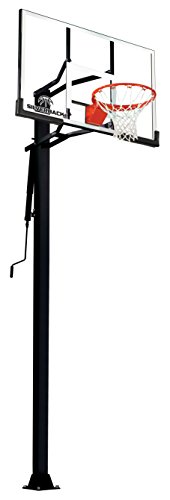
Arena-Style Look & Performance: An ideal adults' and kids' basketball hoop, this outdoor basketball hoop offers the performance of a gymnasium-style basketball goal
Aesthetic and Visual Clarity
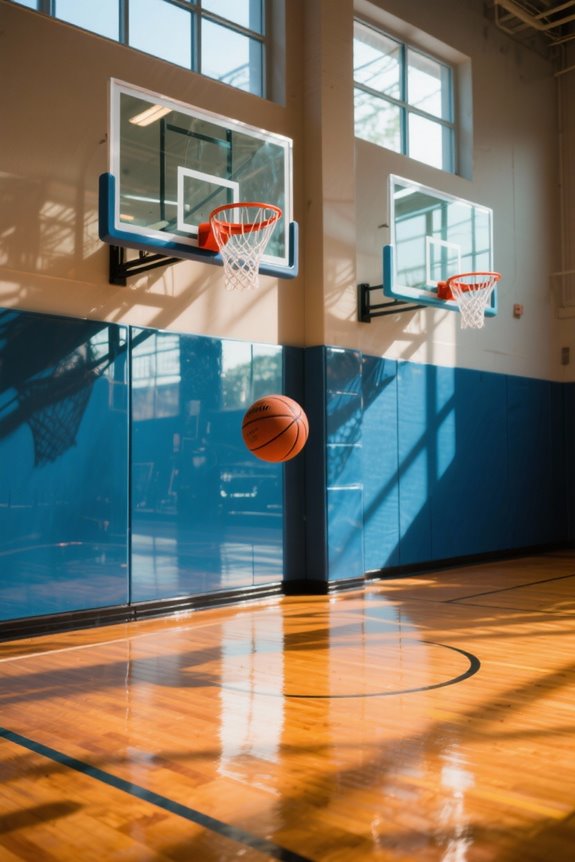
Aesthetic elements and visual clarity play a crucial role in the selection of basketball backboards, with tempered glass and acrylic differing markedly in their aesthetic characteristics and performance.
- Tempered Glass: Offers excellent optical clarity, free from yellowing, and maintains its polished appearance indefinitely, enhancing visual appeal on courts. Its slight green tint can create glare, particularly in bright conditions, yet it remains the preferred choice for professional settings.
- Acrylic: Provides superior light transmission without any green tint, but is prone to yellowing if untreated and scratches easily, thereby diminishing clarity over time. Consequently, its visual appeal tends to be perceived as lower than that of glass. Additionally, durable materials such as tempered glass ensure long-lasting performance, making it a wise investment for serious players.
Ultimately, this clarity comparison highlights tempered glass’s longevity and aesthetic supremacy in competitive environments.
Cost and Installation Considerations

Cost and installation considerations are pivotal factors in the selection of basketball backboards, as they directly impact initial investment and long-term value for both home and commercial environments.
- Initial Investment: Acrylic backboards typically incur lower upfront costs compared to tempered glass, making them suitable for budget-conscious buyers. Conversely, tempered glass backboards reflect a higher price due to premium materials and superior durability.
- Installation Requirements: The lighter weight of acrylic backboards facilitates simpler handling and installation, while tempered glass necessitates careful mounting and often professional installation due to its fragility.
- Cost Implications: While acrylic may save money initially, its lower durability may result in more frequent replacement, potentially diminishing cost-effectiveness over time, whereas tempered glass offers long-term reliability despite higher initial expenses. Additionally, selecting the right basketball size for play can also impact the overall experience and longevity of the backboard.
Recommended Products

【PRO-STYLE LOOK AND PERFORMANCE】Experience gymnasium-style performance with our premier in-ground basketball goal. Designed for those who demand professional quality, it features a tempered glass backboard and a standard 18 Inch dual spring breakaway rim, perfect for slam dunks. Elevate your game with our reliable after-sales service; contact us for any issues. Ideal for any outdoor basketball hoop setup.
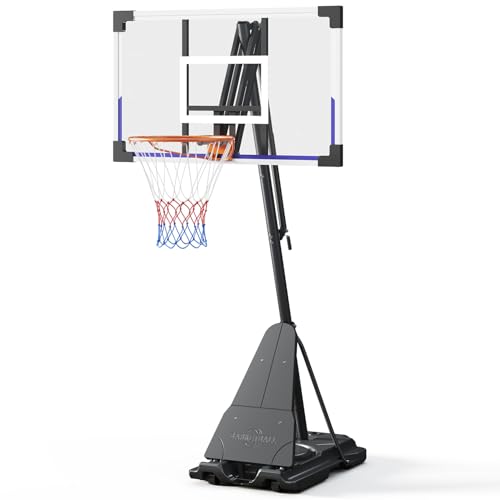
Premium 48in PC Backboard: Equipped with a 48-inch oversized shatterproof PC backboard, this basketball hoop offers a superior shooting experience and longer service life. The Y-shaped support on the back enhances the overall rebound performance of the backboard, making you feel like you're on a real court
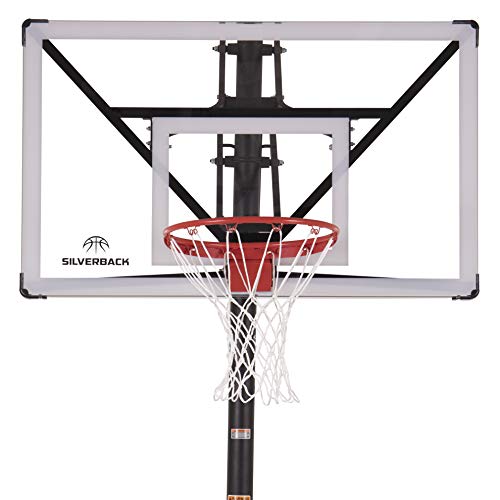
Arena-Style Look & Performance: The breakaway basketball rim flexes under pressure, similar to professional-style rims; The breakaway rim also protects the basketball backboard and helps prevents player injuries
Weather and Outdoor Suitability

Weather and outdoor suitability is a key consideration for selecting basketball backboards, greatly influencing performance longevity and aesthetic integrity in various environmental conditions.
Acrylic backboards demonstrate commendable weather resistance, possessing climate adaptability that allows them to endure fluctuations in temperature without cracking. However, prolonged UV exposure can lead to yellowing and hazing, diminishing their clarity and visual appeal. In contrast, tempered glass excels in UV protection, maintaining transparency and aesthetic quality regardless of exposure duration. While it remains dimensionally stable, this material may become brittle under extreme cold, thereby increasing breakage risk. Consequently, the choice between acrylic and tempered glass hinges on factors such as location, intended usage, and the emphasis placed on durability versus visual integrity in outdoor basketball environments. Additionally, weather resistance is essential for outdoor use, ensuring that backboards can withstand harsh conditions.
Recommended Products

【SECURE STABILITY & DURABLE】Outdoor Basketball Hoop uses thickened steel support rods and weather-resistant coatings which are built to withstand various weather conditions. our basketball hoop features a large PC backboard with excellent visibility and impact resistance. The 18" metal basketball rim comes with a durable net, and the steel pole with a smooth finish can effectively prevent rust, ensuring long-lasting performance

Pro-Size Backboard: Upgraded 36"x24" shatterproof backboard (50% larger than standard hoops) provides realistic basketball experience, perfect for slam dunks and long-range shots indoors or outdoors.

【Quick-Height Adjustment for ALL Ages】Our basketball hoop offers a wide height range from 4.36ft to 10ft, catering to different age groups, which is good entertainments for kids, teenagers and adults. Simply rotate the handle on the back to choose the desired height, time-saving and effortless.
Safety and Vandalism Risk
When evaluating safety and vandalism risk, the choice of basketball backboard material greatly influences both the likelihood of breakage and the potential injury consequences. Tempered glass backboards, while structurally robust, are susceptible to shattering from high-impact forces, posing considerable injury risks due to the presence of sharp shards. In contrast, acrylic backboards, which are less prone to catastrophic failure, enhance vandalism prevention, making them more suitable for unsupervised environments like urban parks and community playgrounds. Additionally, acrylic can withstand dents and scratches without compromising safety, while tempered glass requires careful placement to mitigate vandalism concerns. Consequently, selecting acrylic backboards can notably reduce liability associated with breakage injuries, presenting a more practical option for high-risk areas. Furthermore, choosing materials that comply with national and state high school sports regulations can further enhance safety measures.
Recommended Products

【Height Adjust Easily & Quickly】:Unlike others' basketball hoops with fixed positions, our basketball hoop is equipped with a special crankshaft rocker, allowing you to effortlessly and easily break free from the constraints of fixed positions. It can be adjusted to any height you desire within 5.3 - 10 feet range,5.3-7.3FT by 2 poles installed, 8-10FT by 3 poles installed.

【40LB PVC Weight Ball for Added Stability】: Holds up to 40 lbs sand or 30 lbs water, built with durable PVC that resists damage and leaks. Increases base weight to reduce shaking and tipping. Easy to clean, foldable, with anti-slip handle

Reliable Play Structure: This roof-mounted basketball hoop combines reinforced steel and a PC backboard with multi-point mounting for superior stability, handling vigorous play effortlessly. It ensures your home entertainment area remains steady while kids enjoy hours of active basketball fun.
Long-Term Maintenance and Care
Long-term maintenance and care of basketball backboards is a critical consideration that greatly impacts their durability, aesthetic appeal, and overall performance. Tempered glass backboards typically require less frequent maintenance due to their scratch-resistant properties, allowing for simpler cleaning techniques that preserve their clarity. In contrast, acrylic backboards demand higher maintenance frequency, necessitating careful cleaning to avoid surface scratches, which can lead to permanent damage. Additionally, acrylic is prone to discoloration from UV exposure, necessitating special treatments to maintain its appearance. While tempered glass may incur higher initial costs, the longevity and minimal upkeep associated with it make it a more economical choice over time, contrasting sharply with the more frequent replacement needs often faced with acrylic backboards.
Environmental Impact
The environmental impact of basketball backboards, particularly when comparing acrylic and tempered glass materials, warrants careful examination due to the significant variations in their production, recyclability, and overall longevity.
- Production and Energy Use: Tempered glass, requiring high-temperature processes, results in a higher carbon footprint than acrylic, which has a moderate energy use in its production.
- Recycling Processes: While tempered glass can be recycled efficiently without chemical emissions, acrylic recycling poses challenges, potentially releasing volatile organic compounds if not managed correctly.
- Durability: Tempered glass is more durable, reducing replacement frequency and, consequently, overall environmental impact. In contrast, short-lived acrylic materials contribute to increased waste.
Ultimately, these factors necessitate a thorough assessment to determine the more environmentally friendly choice.
User Preferences and Recommendations
User preferences regarding basketball backboards are significantly influenced by various factors, including durability, rebound performance, aesthetics, maintenance, installation considerations, and overall cost.
- Durability: Users prioritizing durability may choose acrylic for its higher resistance to vandalism, making it suitable for public spaces.
- Rebound Performance: Serious players, however, often prefer tempered glass for its superior rebound qualities, which cater to professional standards.
- Aesthetics and Maintenance: Users seeking aesthetic appeal may opt for tempered glass, favoring its solid surface and scratch resistance over acrylic’s tendency to scratch and yellow.
- Cost and Installation: For budget-conscious individuals or casual setups, acrylic provides an economical, simpler installation, while tempered glass justifies its higher cost with enhanced performance.
User experiences guide each choice, ultimately aligning preferences with specific usage scenarios.
Frequently Asked Questions
How Do Acrylic and Tempered Glass Compare in Terms of Sound When Shooting?
Acrylic resonance creates a softer, duller sound upon impact, while glass acoustics produce a sharp, crisp “ping.” This distinction affects player feedback, with tempered glass often preferred for its clearer auditory cues during gameplay.
What Are the Weight Differences Between Acrylic and Tempered Glass Backboards?
Acrylic backboards, light as feathers, contrast starkly with the heft of tempered glass, which weighs considerably more. This glass weight delivers stability, while acrylic density offers ease of installation, blending performance with user-friendly practicality.
Can I Easily Replace a Damaged Acrylic Backboard Myself?
Replacing a damaged acrylic backboard is feasible with basic replacement tools and installation tips. Moderate DIY skills are necessary, alongside careful handling to guarantee safety and effectiveness, fostering a sense of community among enthusiastic DIYers.
Are There Specific Brands Known for High-Quality Acrylic Backboards?
In the competitive landscape of acrylic manufacturers, brands like First Team Inc. stand out for high-quality offerings. Performance comparisons reveal significant advantages in durability and rebound, enchanting those who desire reliability and excellence in their basketball experience.
Does the Glass Type Affect the Overall Feel of the Basketball Game?
The type of glass markedly influences the overall game experience, affecting player preferences. Many players favor tempered glass for its consistent rebound and feedback, while acrylic’s flexibility satisfies those seeking durability and less rigid play conditions.


