As an Amazon Associate, we earn from qualifying purchases. Some links on this site are affiliate links at no extra cost to you. Our recommendations are based on thorough research and editorial judgment.


How Do You Choose The Right Basketball Court Surface Material?

Choosing the right basketball court surface material necessitates a careful assessment of several key factors, including durability, maintenance requirements, player experience, and climate adaptability. Options such as asphalt, concrete, rubber, and hardwood each present distinct benefits and drawbacks. For instance, hardwood offers ideal bounce and aesthetics, while rubber provides superior shock absorption and slip resistance. Understanding these characteristics will facilitate an informed decision tailored to specific needs and conditions; further exploration reveals additional considerations pivotal to the selection process.
Key Takeaways
- Consider the primary use of the court (indoor or outdoor) to select appropriate surface materials like hardwood for indoor or rubber for outdoor settings.
- Evaluate durability and maintenance requirements; asphalt is cost-effective but needs frequent upkeep, while concrete offers long-term savings with less maintenance.
- Assess shock absorption and slip resistance; rubber surfaces provide excellent cushioning and grip compared to harder surfaces like concrete.
- Keep climate conditions in mind; choose surfaces that withstand your local weather, such as rubber for wet climates or sealed asphalt for hot environments.
- Factor in overall cost versus longevity; while cheaper materials may have lower initial costs, consider their lifespan and long-term maintenance expenses for budgeting.
Understanding Basketball Court Surface Materials
You may be interested


Basketball court surface materials play a critical role in determining the overall performance and safety of the game. The evolution of court surface innovations has led to various options tailored to specific needs, moving from historical materials like hardwood maple, revered for its durability and grip, to contemporary choices.
- Hardwood: Known for ideal ball bounce and shock absorption, though it necessitates regular maintenance.
- Rubber: Provides excellent shock absorption and weather resistance, ideal for outdoor use.
- Acrylic: A cost-effective option that enhances aesthetics but requires resurfacing.
- PVC/Vinyl: Low maintenance but less suited for high-impact play.
- Modular Tiles: Facilitate easy installation while offering customization.
Each material caters to distinct playing environments, impacting overall player experience. Additionally, durable materials used in collapsible basketball goals can also influence the choice of court surface, ensuring optimal safety and performance during play.
Overview of Asphalt Courts

Asphalt courts represent a pragmatic and versatile option for athletic facilities, providing distinct benefits that cater to diverse playing conditions. The asphalt court advantages include excellent traction, effective shock absorption, and a consistent ball bounce, supporting dynamic gameplay while being gentler on players’ joints compared to harder surfaces. Though asphalt is durable and withstands varied weather, it is prone to cracking and chipping, especially under heavy use, necessitating regular asphalt maintenance tips, such as resealing every few years to extend the surface’s lifespan. With lower installation costs and quicker installation times, asphalt courts offer an affordable option for community centers and parks, balancing performance with practicality while enabling customization through color coatings and line markings. Additionally, the choice of traction, comfort, and durability in basketball shoes can significantly impact performance on asphalt surfaces.
Recommended Products

Alpha Grip is a non-slip concrete and asphalt paint that is designed to drastically increase the slip resistance of surfaces. It has a semi-gloss textured non-slip finish

Seals Concrete & Masonry Floors - Designed to block high moisture vapor transmission from concrete and masonry surfaces, reducing the risk of coating failure.

Quick and Easy Setup: Transform any space into a full or half basketball court with our basketball court marking stencil kit. It's perfect for driveways, home gyms, parks, and indoor facilities. Our versatile court marking kit ensures a professional-quality template for court markings wherever you play. It takes 20-30 minutes to lay out the cardboard stencil kit, then another 20-30 minutes to paint. Let dry for 30 minutes and your basketball court is ready to play on.
Benefits of Concrete Surfaces

The merits of concrete basketball court surfaces are increasingly recognized in both community and professional settings, offering numerous benefits that enhance gameplay, durability, and maintenance efficiency.
Court Performance:
Concrete provides a smooth, hard surface that guarantees consistent ball bounce, minimizing interruptions during play.
Player Safety:
Specialized coatings can improve grip and traction, reducing the likelihood of injuries from slips or falls.
Maintenance Efficiency:
Concrete courts require less frequent maintenance than asphalt alternatives, translating to significant cost savings over time.
Surface Aesthetics:
With options for various colors and textures, concrete courts can be customized to reflect team branding, enhancing overall visual appeal. Additionally, the durability of heavy-duty basketball nets complements the long-lasting nature of concrete surfaces, ensuring a well-rounded playing experience.
The combination of durability, safety, and aesthetic flexibility makes concrete an increasingly preferred surface for basketball courts.
Exploring Rubber Basketball Courts

Exploring rubber basketball courts reveals a distinctive alternative to traditional surface materials, offering a blend of performance, safety, and durability that appeals to both recreational and competitive environments.
Rubber Advantages
Rubber surfaces provide excellent slip resistance and shock absorption, enhancing player safety by minimizing injury risks associated with joint impact. Their textured surface maintains grip even in wet conditions, guaranteeing secure footing.
Player Comfort
The cushioning effect of rubber flooring reduces fatigue during prolonged play, while its elasticity fosters dynamic movement and comfortable engagement. Additionally, the durability of rubber surfaces guarantees minimal maintenance and exceptional longevity, making them ideal for high-traffic use. Outdoor adaptability and eco-friendly material options further enhance their appeal, proving rubber courts to be an ideal choice for diverse basketball environments. Furthermore, the high shock absorption of rubber flooring significantly contributes to a more enjoyable playing experience, making it suitable for both competitive and recreational play alike.
Recommended Products

Court size 20’6” x 24’6”, Variety of color combinations


🍀【Package Included】Comes with 9 x basketball pad gym wall mat and 36 x Velcro. Each basketball wall padding is 2"x 20"x 72", total 90 sq ft.
The Advantages of Hardwood Floors

Hardwood floors stand out as a preferred choice for basketball courts, primarily due to their exceptional performance characteristics and aesthetic appeal. The hardwood benefits include remarkable durability, especially with materials like maple, which withstand intense impacts and heavy foot traffic while maintaining integrity. A key advantage is their shock absorption, which enhances player comfort by reducing strain on muscles and joints, thereby minimizing injury risks. Moreover, the uniformity of hardwood flooring contributes to consistent ball bounce, essential for skill development and gameplay accuracy. Visually, hardwood courts embody a classic appearance and can be refinished to retain aesthetic value over time. Ultimately, hardwood surfaces offer an ideal balance of performance, safety, and visual appeal to the basketball community. Additionally, hardwood courts provide an ideal environment for enhanced traction, which is crucial for players during quick movements and sudden stops.
Recommended Products

Effective Cleaning: Features a 100% cotton towel that efficiently absorbs dust, dirt, and moisture for a thorough clean on various hard surfaces.
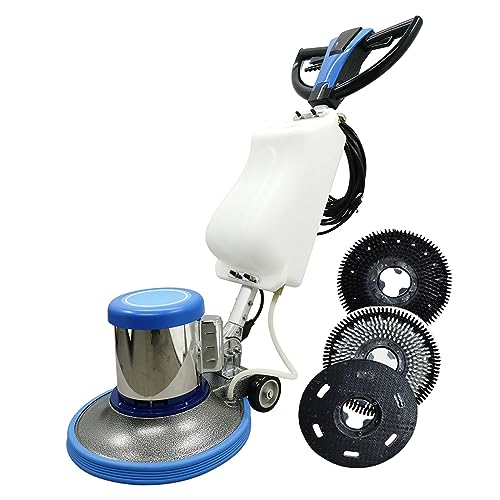
【Versatile Floor Care】This heavy-duty floor polisher machine deep cleans, waxes, and buffs hardwood, marble, epoxy, rubber, and carpets—ideal for commercial, industrial, and residential use

【Multifunctional Floor Polisher】- Can be used for polishing, waxing, refurbishing and cleaning. Can deeply clean any floor surface, including wood, marble, cement pavement, epoxy floor, rubber floor, all kinds of carpet and so on.
PVC/Vinyl Surfaces Explained
When considering basketball court surfaces, PVC/vinyl materials emerge as a versatile option that combines durability, performance, and ease of maintenance.
Durability and Longevity
PVC/vinyl surfaces endure heavy foot traffic and ball impacts without significant wear, thereby minimizing replacement costs over time. The material is also UV resistant, preserving its integrity when exposed to sunlight.
Safety Features
These surfaces provide excellent shock absorption, safeguarding players’ joints during intense movements—essential for injury prevention. The advanced cushioning technology incorporated in footwear can complement the benefits of these surfaces, further reducing the risk of knee pain.
Maintenance and Cleaning Techniques
With minimal upkeep, cleaning involves simple sweeping and occasional damp mopping using mild detergents. The water-resistant nature and a variety of color options further enhance the appeal of vinyl surfaces, making them an excellent choice for community basketball courts.
Recommended Products

🍀【Package Included】Comes with 5 x gym padding for wall and 20 x Velcro. Each basketball wall padding is 2"x 20"x 72",total 50 sq ft.

【Specifications】1) Product Size: 16.0'x10.5'x9.7', bouncing area size: 5.8'x6.4', slide length: 8.8'. Package includes: bounce house, blower, 2 plastic play balls, 2 hook-and-loop fastener dart game, carry bag, stakes, repair kit and instructions 3) Weight limit: Max weight: 500 lbs, Max individual weight: 100 lbs. Max number of kids-5 2) Easy set up and take down, inflates in less than a minute. Perfect for indoor and outdoor use.

Features quick setup and one‑click storage. It can be quickly folded and disassembled for minimal footprint, easy to store in car trunks and small spaces for all basketball practices.
Performance Considerations for Players
Performance considerations for basketball players encompass various factors that significantly impact gameplay, including ball bounce, traction, shock absorption, and overall surface durability.
- Bounce Consistency: Surfaces like hardwood and polymeric rubber guarantee consistent ball bounce, vital for accurate gameplay, while excessively hard surfaces may lead to unpredictable bounces, adversely affecting player performance.
- Traction: Polymeric rubber and rubber surfaces provide superior grip, facilitating rapid directional changes, whereas asphalt and concrete can become slippery in wet conditions, potentially compromising stability.
- Shock Absorption: Specialized rubber surfaces excel in shock absorption, reducing joint and muscle strain, while concrete surfaces, which lack cushioning, may increase fatigue during play.
- Durability: The longevity and maintenance needs of court surfaces directly influence their performance consistency over time, impacting the overall player experience.
Safety Features of Different Surfaces
A variety of safety features exist among different basketball court surface materials, each offering distinct advantages that greatly influence player well-being. Shock absorption is a primary consideration, with materials such as rubberized asphalt and cushioned acrylic systems providing enhanced protection for joints, particularly the ankles, knees, and hips, thereby reducing the risk of injuries associated with high-impact activities. Additionally, many surfaces incorporate slip resistance, important for preventing falls during play. Asphalt and acrylic courts excel in traction, while rubber surfaces maintain their grip even when wet, mitigating slipping hazards. Ensuring a smooth, even surface prevents tripping, and materials designed with proper drainage avoid water accumulation, further contributing to player safety and promoting longevity in both play and the playing surface itself.
Durability and Maintenance Requirements
Understanding the durability and maintenance requirements of different basketball court surface materials is critical for ensuring ideal play conditions and extending the lifespan of the facility.
Concrete Surfaces: Offering exceptional durability, concrete typically lasts over 25 years with minimal wear, yet it requires periodic cleaning, inspection for cracks, and occasional resurfacing to maintain surface longevity.
Asphalt Surfaces: With a lifespan of 10 to 15 years, asphalt needs more frequent maintenance, such as resealing every few years, along with repairs of cracks to preserve playability.
Acrylic and Modular Tile Surfaces: These materials last 15 to 20 years, benefiting from less frequent maintenance intervals, including periodic recoating and cleaning, while maintaining adequate traction and surface performance.
Cost Comparison of Surface Materials
When evaluating the cost of various basketball court surface materials, significant disparities emerge that can influence long-term budgeting and decision-making for facilities. Asphalt, averaging between $7 and $15 per square foot, presents immediate cost benefits, totaling approximately $51,700 for a full-sized court. However, its 20 to 30-year surface longevity might necessitate more frequent repairs. In contrast, poured concrete costs about $6 per square foot but offers enhanced longevity of 50 to 100 years, potentially proving more economical over time despite higher initial expenses. Other options, like cushioned acrylic and modular tiles, provide specific performance benefits but involve greater installation and maintenance costs. Evaluating these factors will help facilities maximize value while ensuring sustainability.
Recommended Products

Your purchase includes One Goalrilla FT72 In-ground basketball hoop, anchor kit system and heavy weight flex rim; Review the manual before purchase as extra materials may be required before installation
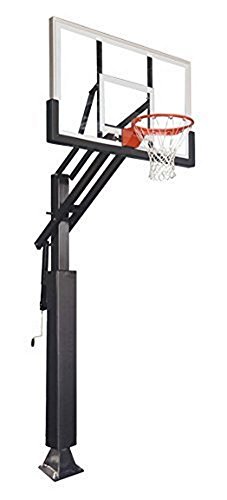
Adjusts from 10' down to 7 1/2' - Great for all ages

【Patented No-Gap Design】Zupapa boasts patented No-Gap design(patent NO.:2022230865778) seamlessly sewns the safety net with the jumping mat to eliminate dangerous spaces. This peace of mind allows kids to boldly explore gymnastic stunts like front flips and backflips. Plus, our trampoline's hassle-free assembly process eliminates the need for tedious net-securing ropes, saving you a minimum of 30 precious minutes on setup.
Evaluating Environmental Impact
Evaluating the environmental impact of basketball court surface materials necessitates a thorough analysis of the materials’ origins, production processes, and their long-term sustainability profiles. The focus on sustainable sourcing is vital, particularly when considering options such as recycled rubber and natural aggregates, which greatly reduce reliance on virgin materials and promote a circular economy. Eco-friendly alternatives, including water-based acrylic coatings, offer lower toxic emissions and improved air quality, aligning with contemporary environmental standards. Additionally, sustainable wood and bamboo from certified sources provide durable options that minimize ecological disruption, showcasing responsible forestry practices. Fundamentally, thoughtful material selection not only enhances performance but also reinforces commitments to environmental stewardship within the community.
Climate Suitability of Surface Options
Climate suitability for basketball court surface options is a critical consideration that encompasses a variety of environmental challenges, each influencing material performance under different weather conditions. Effective climate adaptability guarantees that chosen surfaces perform adequately across a range of temperatures and humidity levels.
- Temperature Variability: Asphalt and concrete can crack in extreme heat or become brittle in cold conditions, while polyurethane, acrylic coatings, and rubber maintain flexibility.
- Moisture Resistance: Rubberized surfaces excel in moisture resistance, making them suitable for wet climates, whereas unsealed asphalt degrades rapidly when exposed to water.
- UV Exposure: UV radiation adversely affects asphalt and concrete, but rubber and plastic surfaces resist degradation better.
Selecting appropriate materials based on climate guarantees lasting performance and safety for players, fostering an environment that encourages participation.
Installation Process and Challenges
The installation of a basketball court surface material is a multi-faceted process that necessitates meticulous planning and execution, particularly following the assessment of climate suitability. Effective surface preparation is vital, involving leveling and grading the site to create a stable foundation, which prevents uneven surfaces that can compromise playability and durability.
- Compacting soil or installing a concrete base is often preferred for its flatness and longevity.
- Drainage systems must be integrated to avoid water pooling, which results in costly repairs.
Installation techniques can vary; modular tiles may enable a DIY approach, yet complex site preparations, such as concrete pouring, typically demand professional skill. Maintaining precision during tile alignment is essential to guarantee functional court dimensions and overall performance.
Customization Opportunities for Courts
Customization opportunities for basketball courts present various avenues through which facility owners can tailor surfaces to meet specific performance, aesthetic, and functional needs. With over 100 color coating options available, vibrant finishes can reflect team colors or community themes, fostering a sense of unity. In addition, custom logo personalization allows for the enhancement of branding, transforming basic surfaces into unique representations of a team or facility.
Layered systems such as ProCushion can be adjusted for cushioning, addressing player comfort while minimizing impact stress. Moreover, modular tile flooring enables precise resizing and creative court designs, accommodating personal preferences. Overall, these customization options guarantee that basketball courts not only meet player safety standards but also resonate with the individuality of their users.
Making the Final Decision: What to Consider
When choosing a basketball court surface, various factors necessitate careful consideration to ascertain that the selected material aligns with the specific requirements of users, both regarding performance and longevity.
Key Considerations:
- Budget: Evaluate the initial installation cost against long-term maintenance expenses; materials like asphalt may offer affordability without sacrificing durability.
- User Experience: Assess player feedback on shock absorption and surface hardness; softer materials enhance comfort and reduce injury risk.
- Climate Factors: Consider environmental durability; rubber surfaces excel in extreme temperatures while hardwood requires stable indoor conditions.
- Maintenance Needs: Assess the required upkeep; rubber surfaces demand less maintenance than hardwood, which necessitates regular refinishing.
Through a thorough evaluation of these factors, informed decisions can be made to enhance player experience and ascertain the surface’s longevity.
Frequently Asked Questions
How Do Weather Conditions Affect Basketball Court Surface Choice?
Weather conditions considerably impact basketball court surface choice, influencing court durability and playing safety. Ideal materials withstand temperature fluctuations, resist moisture, and protect against UV damage, ensuring a safe and durable playing environment for all athletes.
What Are the Best Surfaces for Youth or Beginner Players?
For youth or beginner players, ideal surfaces include indoor hardwood for safety and skill development, while outdoor modular tiles and asphalt provide traction and comfort, fostering confidence and enjoyment in play. Each surface promotes belonging within the community.
Can I Install Multiple Surface Types on One Court?
Yes, multiple surface types can be installed on one court. Court surface compatibility guarantees functional changes, while mixed material benefits enhance aesthetics and performance, creating an inviting space for players to engage and belong within the community.
How Do Surface Materials Impact Game Strategy and Play Style?
Surface materials greatly shape game strategy and play style, as court responsiveness influences pace and tactics. Durable surfaces promote intense play, while softer materials encourage more dynamic movements, fostering community engagement through shared experiences and teamwork.
What Should I Consider for Multi-Sport Facility Surfaces?
When evaluating multi-sport facility surfaces, consideration should be given to surface durability and installation costs. Prioritizing both will guarantee a safe, versatile environment that fosters community engagement and accommodates various sports effectively.


