As an Amazon Associate, we earn from qualifying purchases. Some links on this site are affiliate links at no extra cost to you. Our recommendations are based on thorough research and editorial judgment.


How Do You Maintain Different Types Of Basketball Court Surfaces?

Maintaining various basketball court surfaces necessitates specialized approaches to guarantee durability and performance. Hardwood courts require daily sweeping with soft brooms and periodic application of floor finish, alongside humidity regulation. Outdoor acrylic courts benefit from monthly deep cleaning, weekly inspections, and resurfacing every three to five years. Concrete surfaces necessitate regular sweeping, hosing, and sealing every two to three years to enhance longevity. Understanding these specific requirements is essential, as there are additional maintenance considerations and techniques available.
Key Takeaways
- Regularly sweep or blow debris off the surface to prevent abrasion and maintain cleanliness for all court types.
- For hardwood courts, use soft brooms or microfiber mops and limit moisture to preserve wood integrity.
- Conduct monthly inspections to identify cracks or damage for timely repairs across all surfaces.
- Outdoor courts should undergo monthly deep cleaning and be resurfaced every 3 to 5 years to maintain integrity.
- Apply appropriate sealants and compatible cleaning agents specific to the court material to protect surfaces from damage.
Hardwood Basketball Courts Maintenance
You may be interested


Maintaining the integrity and functionality of hardwood basketball courts necessitates a thorough approach, grounded in routine upkeep and specific protective measures. Regular maintenance includes daily sweeping or dry mopping to eliminate dirt and dust, which can degrade the finish over time. Employing soft-bristled brooms or microfiber mops aids in effective surface protection. While moisture management is vital, avoiding excessive wet cleaning is essential; hardwood can absorb water, leading to warping. When cleaning, use damp mops followed by floor drying with dry options to limit moisture exposure. Additionally, periodical application of floor finish guarantees lasting shine and protection. Monitoring humidity levels between 35% and 50% also supports wood stability, minimizing potential damage and preserving the court’s quality for ongoing use. Furthermore, incorporating eco-friendly maintenance practices can enhance the longevity of the court surface while promoting sustainability.
Recommended Products

Superior cleaning performance: Ready-to-use refill removes dust, dirt, and grime from hardwood to reveal natural shine while cutting through everyday soils for a professional-looking clean; ideal for spot cleaning and full floor cleaning

Easily refill any Bona floor cleaner spray bottle or mop cartridge

Contains (1) 25 ounce bottle of hardwood floor cleaner.
Acrylic or PU Coated Outdoor Courts Maintenance

Acrylic or polyurethane (PU) coated outdoor basketball courts require diligent maintenance to preserve their structural integrity and athletic performance, ensuring a safe environment for players.
Cleaning and Debris Removal
Routine cleaning is essential, with monthly deep cleaning utilizing a low-pressure washer to effectively eliminate dirt, ensuring that the acrylic coating benefits are preserved without degradation.
Maintenance Frequency
Weekly sweeping and inspections for damage should be standard practice. Cracks larger than ¼ inch necessitate immediate attention using acrylic patch kits, while resurfacing every 3 to 5 years restores the court’s integrity and vibrancy. Additionally, Flyknit technology can enhance player performance, so ensuring the court is well-maintained supports optimal play.
Seasonal Considerations
Seasonal maintenance involves addressing UV damage, preventing moisture retention from organic debris, and ensuring drainage paths remain unobstructed to prevent freeze-thaw damage during colder months.
Recommended Products

Includes lane, free throw line and three-point arc

Quick and Easy Setup: Transform any space into a full or half basketball court with our basketball court marking stencil kit. It's perfect for driveways, home gyms, parks, and indoor facilities. Our versatile court marking kit ensures a professional-quality template for court markings wherever you play. It takes 20-30 minutes to lay out the cardboard stencil kit, then another 20-30 minutes to paint. Let dry for 30 minutes and your basketball court is ready to play on.

【Premium PC Material 】This Heavy-Duty Basketball Court Stencil Kit is made of thicked 0.08-inch PC plastic, featuring a waterproof and non-slip texture that prevents shifting during use. The Basketball Court Marking Kit ensures smoother, more precise lines and can be reused over 100 times without cracking or warping
Concrete and Asphalt Courts Maintenance

Proper maintenance of concrete and asphalt basketball courts is essential for ensuring their durability and performance, as neglect can lead to significant surface deterioration and safety hazards for players.
Cleaning and Inspection
Regular cleaning, including daily sweeping and weekly hosing, is vital for removing debris that contributes to wear. Inspections should be conducted monthly to identify cracks and chips, with small cracks promptly filled using suitable materials.
Sealing and Drainage
Every 2-3 years, concrete maintenance requires sealing to protect against moisture and UV damage. Proper drainage slopes should be maintained to prevent standing water, utilizing drainage systems to direct water away from the surface. Additionally, selecting basketballs with durability and quality can enhance performance on these surfaces.
Recommended Products

ULTIMATE STABILITY: Replaces up to 400 lbs of sand, just add water to create a firm gel that resists tipping and blowing over; Replicates the stability and function of sand & water, but is mess-free, and doesn't slosh like water for enhanced stability

{ Application } In the simplest of terms, just pour our material in crack and spray with water. From there let the ConSANDtrate work its magic and solidify in the crack!

It is easy to use
Rubber and Synthetic Tile Court Maintenance

When addressing basketball court surfaces, attention must be directed towards rubber and synthetic tile courts, which present unique maintenance requirements distinct from those of concrete and asphalt options.
For rubber court surfaces, implement effective rubber cleaning techniques by sweeping or vacuuming frequently to eliminate dirt and prevent surface abrasion. Utilize pH-neutral cleaners during deeper cleanings, avoiding harsh chemicals that could cause irreparable damage.
In terms of synthetic tile maintenance, synthetic maintenance tips recommend regular vacuuming and using neutral-pH detergents with appropriate cleaning equipment to maintain surface integrity. Periodic deep cleaning is essential, particularly in high-traffic areas, to prolong the lifespan of these courts. Regular inspections should also be conducted to identify and address any signs of wear or damage promptly. Additionally, ensuring high shock absorption in the flooring tiles can greatly enhance player comfort and reduce the risk of injuries during gameplay.
Recommended Products

Maintains polish without stripping protective coating
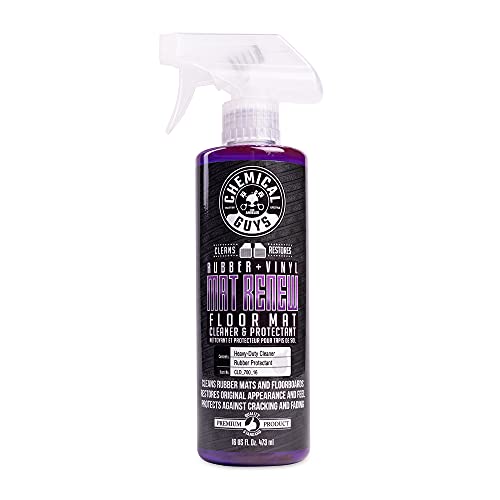
MAT RENEW CLEANER & PROTECTANT (CLD_700_16) – This car mat cleaner cleans and restores rubber and vinyl floor mats, liners, and running boards while leaving a dry-to-the-touch non-slip finish

The Pink Stuff Floor Cleaner is designed to penetrate and dissolve stubborn stains, dirt, and grime, leaving your floors gleaming.
Seasonal Maintenance Adjustments
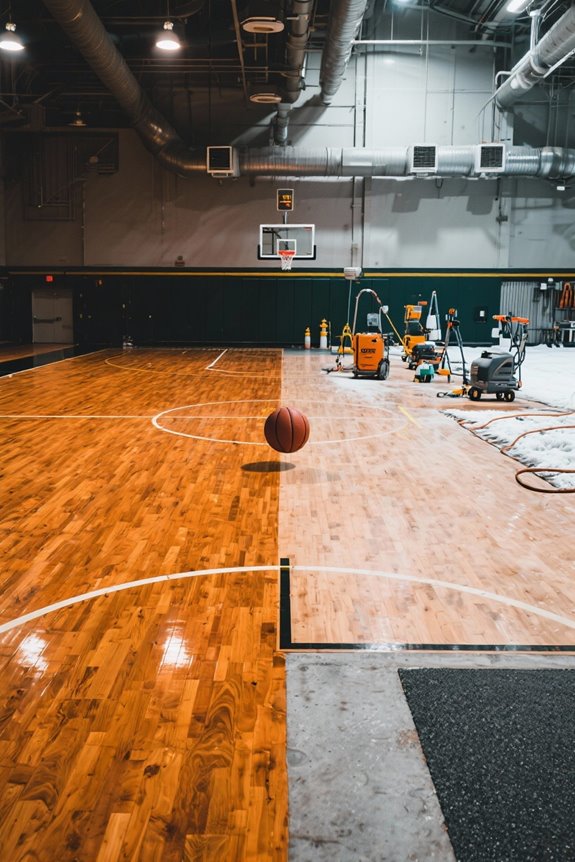
Spring: After winter, inspect for cracks and perform a deep cleaning to remove debris and mildew. Repair minor damages quickly to prevent further deterioration. Additionally, ensure that any weather-resistant materials used in the construction of the court are intact to enhance durability.
Summer: Regularly sweep and monitor for dryness or UV damage, treating surfaces with UV-resistant coatings as needed.
Fall: Clear organic debris to prevent stains, check drainage systems for winter readiness, and touch up court markings.
Winter: Use plastic shovels for snow removal, avoid deicing salts, and limit usage to minimize wear during freezing temperatures. Each season demands a proactive approach to maintain the court’s longevity and player safety.
General Best Practices for All Courts
Effective maintenance practices for basketball courts encompass a range of essential procedures tailored to guarantee the safety, aesthetics, and longevity of the surface, irrespective of the material composition. General maintenance includes regular cleaning, where the use of soft brooms prevents surface damage, followed by immediate spill resolutions to protect against stains. Monthly inspections are vital for identifying cracks or wear, ensuring proactive repairs. Applying protective sealants enhances resilience, while spot resurfacing addresses high-traffic areas, contributing to court longevity. Additionally, thorough mold and mildew control minimizes microbial growth. Finally, documenting all maintenance activities fosters a clear understanding of the court’s condition, supporting safety compliance and informed decision-making for future upkeep. Investing in durability and safety features for your basketball court can further enhance its lifespan and performance.
Daily Maintenance Routines for Basketball Courts
Implementing a daily maintenance routine for basketball courts guarantees ideal performance, safety, and longevity while preserving the playing surface’s integrity. Regular court care involves various tasks tailored to the specific type of surface.
For Indoor Hardwood Courts:
- Dust mop 1-3 times daily to eliminate dust and debris.
- Wet mop weekly with appropriate cleaner, avoiding harsh chemicals.
- Inspect daily for surface damage, and apply floor finish periodically.
For Outdoor Acrylic or PU-Coated Courts:
- Sweep to remove grit and inspect for standing water after rain.
- Clear debris from edges to prevent moisture issues.
For Synthetic Sports Courts:
– Daily sweeping is essential to remove loose particles, and mild cleaning agents should be used for spills.
Importance of Regular Inspections
Regular inspections of basketball court surfaces play a significant role in maintaining their integrity and functionality, providing a systematic framework for preventing and addressing potential issues that may arise due to regular wear and environmental factors.
Inspection Significance
Monthly inspections target critical concerns, identifying standing water, cracks surpassing 1/4 inch, and surface deficiencies.
Inspection Schedules
- Quarterly reviews should involve pressure washing and detecting discoloration.
- Annual evaluations encompass thorough cleaning and resurfacing assessments, ideally executed by certified professionals.
Close attention to surface texture, coating condition, and drainage systems prevents player injuries and prolongs court life. Additionally, documenting inspection activities fosters effective communication regarding safety measures and maintenance trends, reinforcing a sense of community while ensuring peak performance for all court users.
Repair and Restoration Techniques for Court Surfaces
Repair and restoration techniques for basketball court surfaces necessitate a thorough understanding of various methods tailored to address specific issues that may compromise court integrity and safety. Key methods include:
- Crack Sealing: Flexible, high-strength materials are utilized for effective crack repair, filling gaps with specialized patch kits suitable for specific court materials. Flexible tapes may also enhance surface stability prior to resurfacing.
- Resurfacing Techniques: This process incorporates pressure washing and applying multiple coats of acrylic surfacers, ensuring a smooth and durable playing surface. Customizable textured finishes enhance traction and safety while providing comfort during gameplay.
Regular maintenance and prompt repairs play a critical role in extending the lifespan of basketball courts, safeguarding player performance and safety throughout their usage.
Recommended Products
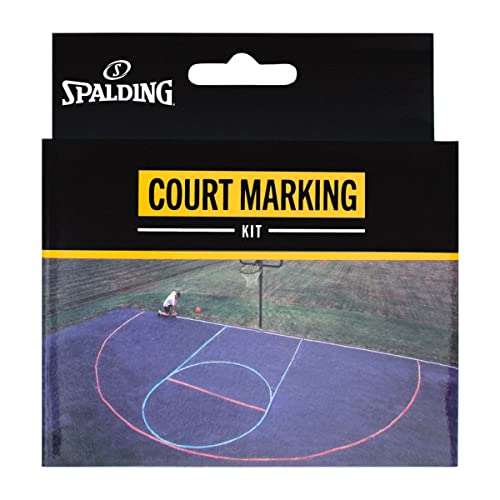
Includes three pieces of chalk (red, white, blue) to create lane, free throw line, and three-point arc
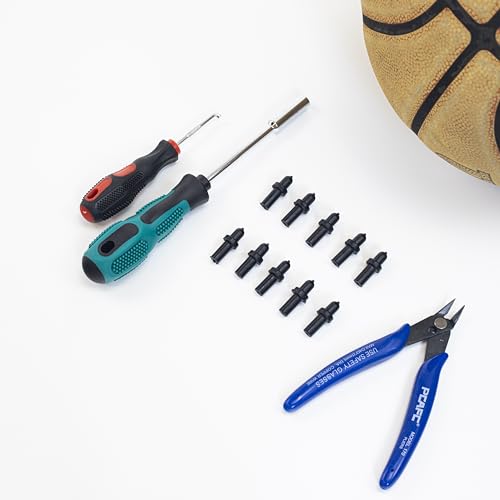
Leak-Free Assurance: Avoid frequent inflations with our repair kit's air leakage check. Eliminate bubbles from inflated balls by using our kit's easy-to-follow instructions.

Quick and Easy Setup: Transform any space into a basketball court with our basketball court marking stencil kit. It's perfect for driveways, home gyms, parks, and indoor facilities. Our versatile court marking kit ensures a professional-quality template for court markings wherever you play. It takes 15-20 minutes to lay out the cardboard stencil kit, then another 10-15 minutes to paint. Let dry for 30 minutes and your basketball court is ready to play on.
Chemical Safety Near Basketball Courts
Maintaining the structural integrity of basketball courts involves not only physical repairs but also careful attention to the chemical treatments utilized in their upkeep.
- Chemical Selection: It is essential to choose cleaning agents that are compatible with the specific court surface, such as employing pH-neutral cleaners for hardwood and acrylic surfaces. Harsh chemicals, like bleach or strong detergents, can erode protective coatings, necessitating careful consideration to prevent damage.
- Safety Precautions: Applying chemicals only when the court is not in use helps mitigate risks to players. Additionally, maintenance personnel should utilize personal protective equipment, such as gloves and masks, and guarantee proper ventilation during application to reduce inhalation risks. Regularly reviewing safety data sheets further enhances the safety of handling and storage practices.
Educating Players and Users on Court Care
While the focus on maintaining basketball courts often emphasizes structural and surface integrity, educating players and users about court care is equally crucial for preserving longevity and safety.
Player Education and User Responsibility
- Daily sweeping or blowing debris prevents abrasion, particularly on acrylic surfaces.
- Users should report standing water immediately to mitigate water damage risks.
- Spills must be cleaned promptly with non-abrasive cleaners to protect the surface.
- Inappropriate footwear and food should be avoided to minimize staining.
- Regular visual inspections can identify early damage signs, while prompt reporting of issues enhances safety.
- Seasonal inspections, especially post-weather events, guarantee timely maintenance, preventing costly repairs.
Frequently Asked Questions
How Can I Determine the Right Cleaner for My Court Surface?
To determine the right cleaner for a court surface, one must assess cleaning products suitable for various surface materials, ensuring compatibility to protect and preserve the integrity while maintaining a safe and welcoming environment for all users.
What Are the Signs That a Court Needs Resurfacing?
Like a forgotten garden overrun with weeds, a neglected court shows signs of needed resurfacing, including crack assessments and surface discoloration. These indicators signal the time to restore safety and enjoyment for players.
How Does Weather Affect the Maintenance of Outdoor Courts?
Weather greatly impacts outdoor courts through rain damage and temperature fluctuations, leading to surface deterioration. Maintaining resilient materials and effective drainage can enhance durability, fostering a safe and enjoyable environment for all players in diverse climates.
Can I Use Any Type of Broom for Cleaning Courts?
The wrong broom types resemble mismatched puzzle pieces, failing to fit the court’s needs. Effective cleaning techniques demand soft bristles for wood and stiff bristles for concrete, ensuring surfaces remain pristine and inviting for all players’ shared experiences.
What Should I Do if My Court Surface Feels Slippery?
To enhance court safety, addressing a slippery surface involves promptly wiping spills, implementing regular maintenance tips like dry mopping, and using appropriate cleaning products. This guarantees a secure playing environment for all basketball enthusiasts.


