As an Amazon Associate, we earn from qualifying purchases. Some links on this site are affiliate links at no extra cost to you. Our recommendations are based on thorough research and editorial judgment.


What Drainage Considerations Are Important For Outdoor Courts?

Effective drainage considerations for outdoor courts necessitate a thorough approach, encompassing soil assessment, proper surface grading, and suitable drainage systems. Soil evaluation identifies composition, while maintaining an ideal slope of 0.83% to 1.0% enhances drainage efficiency. Options include open, closed, or combination drainage systems, employing materials like crushed stone for maximum permeability. Regular maintenance, including inspections and debris removal, is essential to prevent water pooling and guarantee player safety. Additional insights into these systems can offer further guidance.
Key Takeaways
- Ensure proper grading with an ideal slope of 0.83% to 1.0% for effective water runoff and drainage.
- Implement appropriate drainage systems, such as perimeter drains or French drains, to manage surface runoff.
- Regularly inspect and maintain drainage features to prevent blockages that can lead to water accumulation.
- Utilize porous sub-base materials like crushed stone to enhance water capture and support drainage efficiency.
- Incorporate moisture control strategies to prevent water pooling and ensure player safety on the court.
Site Assessment and Soil Evaluation
You may be interested


A thorough site assessment and soil evaluation are critical for ensuring the long-term functionality and durability of outdoor courts. This process involves several essential steps:
- Soil Sampling: Auger borings should be conducted in various quadrants to obtain soil samples, adhering to ASTM methods to a minimum depth of 5 feet.
- Soil Composition Classification: Soils are reclassified per ASTM standards by qualified engineers, determining whether they are cohesive, such as clay, or granular, like sand.
- Groundwater Monitoring: Understanding seasonal and static groundwater levels is crucial to prevent water intrusion that could undermine court structures.
- Drainage Assessment: The permeability and behavior of the soil under load must be evaluated to inform drainage solutions, ensuring effective moisture management and promoting court stability. Additionally, incorporating a drainage assessment can significantly enhance the durability of outdoor sports surfaces.
Surface Slope and Court Grading

Surface slope and court grading play a pivotal role in the overall design and functionality of outdoor courts, influencing water management and player safety while ensuring ideal playing conditions. An ideal court slope typically ranges from 0.83% to 1.0%, facilitating proper drainage without distracting players. Courts should maintain a uniform surface slope, directing water to perimeter drains, while avoiding steep inclines over 2% that could impact gameplay negatively. Grading techniques must prioritize creating a single, continuous plane, ensuring no low spots develop that could trap water, as seen in “birdbaths.” Proper grading not only aids in efficient water runoff but also supports the court’s structural integrity, preventing potential surface failures and minimizing maintenance efforts. Additionally, incorporating shock absorption features in the flooring tiles can enhance player comfort and reduce the risks associated with slips during wet conditions.
Recommended Products

Clearly state: For ≥98% ball bounce, install only on solid, flat surfaces like concrete, asphalt, or tightly packed soil. On soft/uneven ground, it functions primarily as a drainage/utility mat

Clearly state: For ≥98% ball bounce, install only on solid, flat surfaces like concrete, asphalt, or tightly packed soil. On soft/uneven ground, it functions primarily as a drainage/utility mat

EASY TO SET UP - Create the ideal floor for roller skates, dance or any sports & events. Designed with rigid materials, these tiles offer versatility for both indoor and outdoor use. With many colors to choose from, you can easily customize your temporary flooring over carpet or set up a training floor for an unforgettable training zone.
Types of Drainage Systems

When considering the effective management of water runoff from outdoor courts, various drainage systems serve distinct purposes and offer unique benefits, thereby necessitating careful selection based on site-specific requirements.
Open Drain Systems utilize shallow swales to collect surface runoff, boasting benefits such as simplicity and natural integration into landscape grading, ideal for gentle slopes.
Closed Drain Systems, while providing concealed drainage and rapid water removal to protect court surfaces, come with drawbacks, including complexity and higher costs.
Combination Systems merge both techniques, allowing for adaptability to varied terrains. Proper drainage is essential for maintaining the longevity of surfaces, particularly for outdoor play in sports like basketball.
Recommended Products
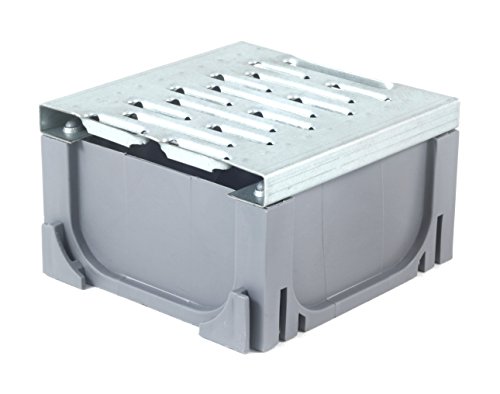
Low-profile channel drain system for lightweight to medium applications. Dimensions of each channel: 5" W x 3" H x 39" L - (117" Total Length if you choose the 3-PACK Option) Available Colors: Black, Gray and Gray with Galvanized Steel Grate.
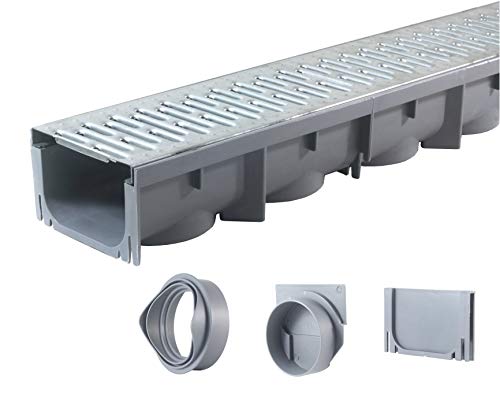
Low-profile channel drain system for lightweight to medium applications. Dimensions of each channel: 5" W x 3" H x 39" L - (117" Total Length if you choose the 3-PACK Option) Available Colors: Black, Gray and Gray with Galvanized Steel Grate.

Low-profile channel drain system for lightweight to medium applications. Dimensions of each channel: 5" W x 3" H x 39" L - (117" Total Length if you choose the 3-PACK Option) Available Colors: Black, Gray and Gray with Galvanized Steel Grate.
Drainage Infrastructure Materials and Design

Effective drainage infrastructure materials and design are pivotal in ensuring the longevity and functionality of outdoor courts, as robust systems are essential for managing water runoff and preventing damage.
Key drainage components such as perimeter drains, French drains, and channel drains must be integrated to capture and redirect surface water effectively. Sub-base materials, including crushed stone or gravel, provide high porosity for water capture, while permeable foundation options like SportBase™ enhance drainage efficiency. Proper grading and slight slopes, typically at 1-2%, guide water toward drainage points, minimizing pooling.
Additionally, modular drainage systems with interlocking tiles can facilitate swift water removal, particularly in regions prone to heavy rainfall, thereby ensuring peak court usability and safety. Regular checks for stability features can further enhance the durability of outdoor basketball setups in varying weather conditions.
Recommended Products

Low-profile channel drain system for lightweight to medium applications. Dimensions of each channel: 5" W x 3" H x 39" L - (117" Total Length if you choose the 3-PACK Option) Available Colors: Black, Gray and Gray with Galvanized Steel Grate.

Sufficient for You to Use: you will get 8 rolls (each 16 ft) of under deck drainage system, which will take care of your decks and keep them protected from rain and melting snow, enough quantity can meet your use needs

Effective protection: This downspout suits deck systems with 12 "or 16" joist spacing. Water from the deck is diverted by an under-deck drainage system, preventing the deck timbers from being affected by moisture
Long-Term Maintenance Considerations

Long-term maintenance considerations for outdoor courts are essential to sustaining their functionality and guaranteeing player safety, particularly if routine interventions are prioritized to address potential issues. Effective maintenance strategies include:
- Regular Inspections: Timely identification of cracks or drainage blockages is significant for preventing water damage and maintaining drainage longevity.
- Debris Management: Daily removal of debris and weekly drain clearances help guarantee unobstructed water flow, reducing pooling risks.
- Surface Integrity: Maintaining the natural slope and checking surface coatings are crucial for ideal drainage and court lifespan.
- Seasonal Actions: Adapting maintenance tasks to seasonal changes prevents moisture buildup, while regular equipment inspections enhance safety. Additionally, using dribbling goggles can help players maintain focus and awareness during practice sessions, further ensuring their safety on the court.
Adhering to these measures fosters a safe and functional environment for players.
Recommended Products

CLEANS STAINS CAUSED BY ORGANIC GROWTH: 30 SECONDS Outdoor Cleaner rapid cleans stains caused by algae, mold, mildew and moss

Cleans Cleans decks, Fences and other outdoor structures such as pergolas, gazebos and carports

Streak Getter will clean gutters quickly, easily and also remove the black streaks caused by electrostatic bonding.
Environmental Best Practices
Environmental best practices for outdoor courts are pivotal in ensuring sustainable management and ideal functionality, as they integrate natural features and innovative drainage solutions. By employing eco-friendly practices such as:
- Evaluating topography to minimize artificial interference,
- Utilizing berms and swales to manage surface runoff,
- Preserving vegetation buffers to enhance soil stability and absorption,
- Installing subsurface drainage systems to efficiently handle excess moisture,
these strategies create a harmonious relationship between the court and its environment. Additionally, sustainable landscaping—through the use of native, water-tolerant plants and strategic vegetation placement—further reinforces these methods. The combination of thoughtful design and natural integration not only optimizes drainage effectiveness but also promotes ecological health, ensuring that outdoor courts remain functional and resilient over time. Furthermore, regular maintenance and cleaning of the drainage systems is crucial for maintaining their effectiveness and longevity.
Safety Measures in Drainage Design
Guaranteeing safety in drainage design involves a multifaceted approach that prioritizes not only the functionality of outdoor courts but also the protection of players from potential hazards associated with water accumulation.
Key measures include:
- Effective drainage systems to minimize water accumulation and reduce slip prevention risks through proper channeling and efficient surface materials.
- Minimum slope requirements of 1 inch per 10 feet to guarantee water runoff and avoid pooling, thereby reducing potential slip hazards.
- Regular maintenance to prevent blockages that lead to unsafe conditions, emphasizing the importance of routine inspections.
- Utilizing modular drainage tiles that facilitate efficient water removal, which further enhances drainage safety and promotes a secure playing environment for all participants.
Recommended Products

Efficient Drainage: Our 12pcs black interlocking drainage mats , each size: 11.8x11.8 inches and feature upgraded 0.55inch support pins to ensure rapid water drainage. No more surface water buildup, enjoy a fresher, odor-free environment, relieve fatigue, and enjoy bath time. These waterproof drainage floor tiles provide a non-slip surface for added safety

[Fast Drainage] Keep wet floors cleaner, drier and safer with an open-grid drainage design that quickly channels away water, soap and debris to help reduce standing water and improve traction. Perfect as an outdoor shower mat, pool mat, garage floor tiles, boat flooring or drainage mat for residential and commercial spaces.

Clearly state: For ≥98% ball bounce, install only on solid, flat surfaces like concrete, asphalt, or tightly packed soil. On soft/uneven ground, it functions primarily as a drainage/utility mat
Importance of Effective Water Management
Effective water management serves as a pivotal component in the overall functionality and safety of outdoor courts, particularly after considering the implications of drainage safety previously discussed. Appropriate moisture control and efficient water flow prevent surface water accumulation, minimizing the risk of slippery conditions that could lead to injuries for players. Additionally, effective drainage systems can greatly extend the lifespan of the court by preventing damage from erosion and cracking associated with water infiltration. For instance, implementing surface grading and channel drains redirects excessive rainfall, ensuring playable surfaces while promoting environmental sustainability. Overall, a robust water management strategy not only enhances player safety and court usability but also reduces maintenance needs, creating an inviting space for athletes to enjoy.
Frequently Asked Questions
How Can Seasonal Changes Affect Outdoor Court Drainage?
Ah, the joy of outdoor courts, beset by seasonal impacts wreaking havoc on drainage! Varying weather considerations bring blessings of waterlogging, ice formation, and pesky moss, reminding enthusiasts that maintenance is the true court champion.
What Are Common Signs of Drainage Issues in Outdoor Courts?
Common signs of drainage issues in outdoor courts include water pooling on the surface and visible surface erosion. These problems not only pose safety hazards but also diminish the overall playing experience for everyone involved.
Can Vegetation Impact Drainage Efficiency on Outdoor Courts?
Vegetation types greatly influence drainage efficiency; robust root systems weave through soil, enhancing porosity while some aggressive roots risk clogging drainage. Balanced plant choices foster vibrant courts, supporting community recreation while maintaining effective water management amidst nature’s embrace.
How Do I Choose the Right Drainage Solution for My Court Type?
Choosing the right drainage solution involves evaluating the court surface type and selecting appropriate drainage materials that enhance performance. This guarantees effective water management and creates a safe, enjoyable environment for players of all skill levels.
Are There Regulations Regarding Drainage Systems for Sports Facilities?
Regulatory standards for drainage systems in sports facilities are critical, shaping drainage design to guarantee safety and performance. Compliance with these regulations fosters a sense of belonging, providing athletes with reliable, secure playing environments amid varying weather conditions.


